The Relationship Between Mental Games and Mental Health: Cognitive Benefits in the Elderly

The Growing Importance of Mental Games for Seniors
With the rapid increase in the elderly population worldwide, understanding methods to maintain mental health has become more essential than ever. In this context, engaging in mental games has emerged not just as an avenue for entertainment but as a vital tool for promoting cognitive well-being among seniors. Participating in these activities is beneficial in enhancing mental agility and provides an opportunity for social engagement, which is crucial for reducing feelings of isolation and loneliness often experienced by older adults.
There are a plethora of mental games that cater to different preferences and cognitive skills. For instance, crossword puzzles are beloved by many due to their ability to stimulate vocabulary and enhance problem-solving skills. They challenge players to think creatively and recall words, assisting in sustaining mental sharpness. Meanwhile, Sudoku, a number-placement puzzle, demands logical reasoning and concentration, requiring players to remember patterns and sequences, which further sharpens memory retention.
Another engaging option is card games, which not only promote strategic thinking but also facilitate social interaction. Games like bridge, blackjack, or simple rummy can be enjoyed in groups, providing a vibrant social atmosphere while simultaneously exercising the brain. Furthermore, card games often involve problem-solving and quick decision-making, fostering both mental and emotional health.
The advantages of these games extend well beyond entertainment, as studies have shown a correlation between regular participation in cognitive activities and various positive outcomes for seniors. Regular engagement can result in improved memory, aiding seniors in information retention and recall. It can also lead to better concentration, enhancing their ability to focus on daily tasks without becoming easily distracted. Additionally, these mental pursuits can stimulate increased creativity, enabling more innovative thinking that can enrich personal and social experiences.
Local Flavor: Traditional Games in Nigeria
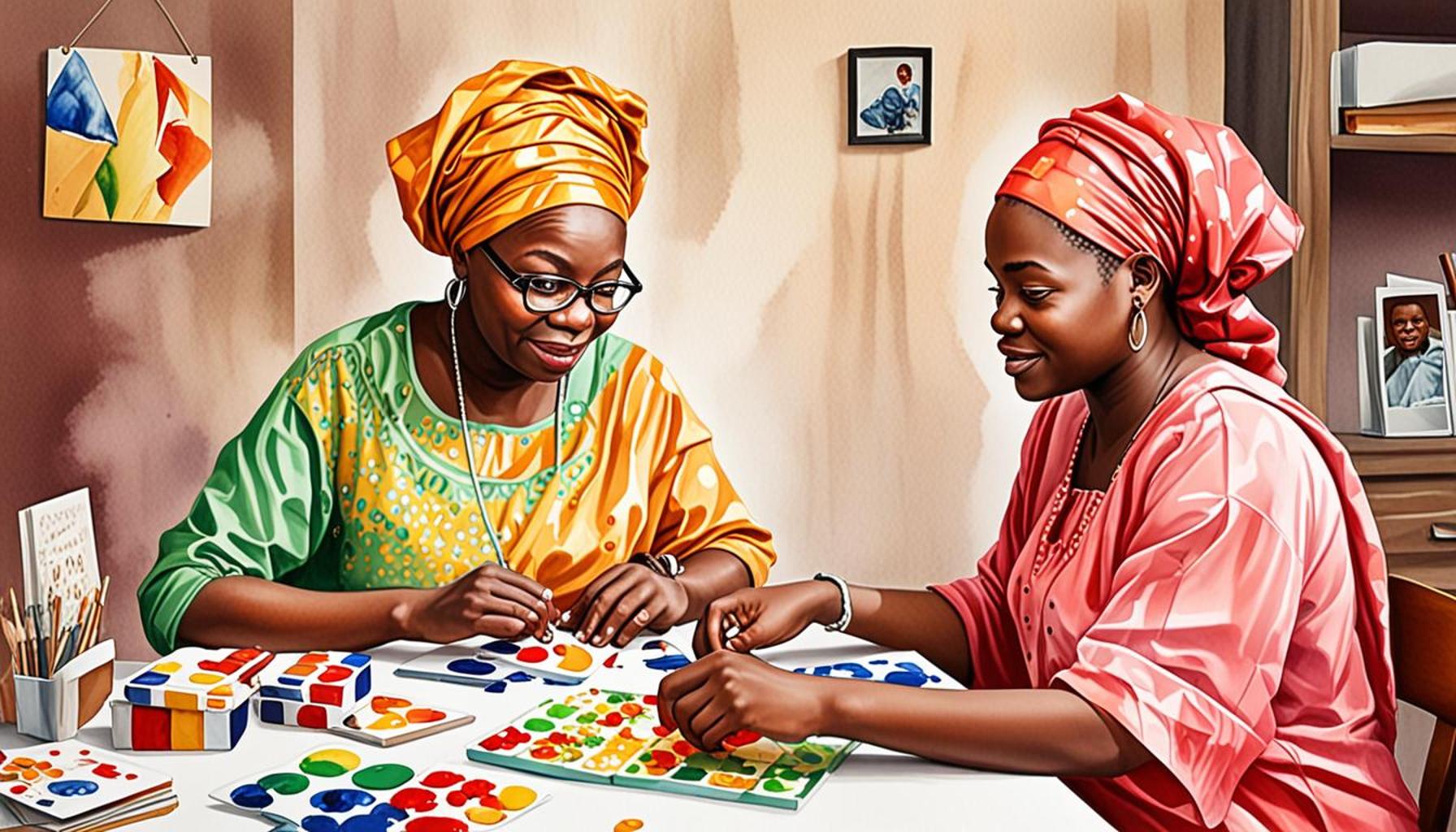
In Nigeria, the cultural context adds a unique layer to the mental games landscape. Traditional games such as Ludu and Damà not only offer cognitive stimulation but also help reinforce cultural ties and build community among participants. These games are often played in communal settings, where families and friends come together, fostering relationships that can significantly improve mental well-being.
Engaging with these games allows seniors to share stories and experiences, enriching their lives while simultaneously maintaining their cognitive skills. Such interactions are crucial in combating the loneliness often associated with aging, highlighting the profound social benefits that accompany cognitive engagement.
In conclusion, as we delve deeper into the relationship between mental games and mental health, it becomes clear that fostering cognitive benefits among the elderly is not merely an academic concern but crucial for enhancing their quality of life. By incorporating both modern and traditional mental games into their daily routines, seniors can enjoy improved mental health, vibrant social interactions, and a greater sense of community. This multifaceted approach indeed holds significant promise for enhancing the lives of elderly individuals in Nigeria and beyond.
YOU MAY ALSO LIKE: Read read another article
The Cognitive Neuroscience Behind Mental Games
Delving into the relationship between mental games and mental health, it’s essential to understand the cognitive processes that these activities stimulate in the elderly. Engaging in mental games can lead to structural and functional changes in the brain, particularly in areas associated with memory, attention, and executive function. This neuroplasticity allows the brain to form new connections and strengthen existing pathways, a phenomenon that is especially beneficial for seniors facing cognitive decline.
Research indicates that participation in regular cognitive activities, including mental games, can significantly help in the fight against cognitive impairment and even reduce the risk of developing conditions like Alzheimer’s disease. Various studies have shown that seniors who engage in mentally stimulating activities are less likely to experience memory loss and have improved overall cognitive performance compared to those who lead more sedentary cognitive lives.
Some of the cognitive benefits realized from engaging in mental games include:
- Enhanced problem-solving skills: Many mental games require players to strategize, analyze situations, and make quick decisions, which are pivotal skills that keep the mind sharp.
- Improved memory function: Games like crosswords and memory matching can foster better information retention and recall through repetitive engagement.
- Increased mental flexibility: Engaging with different types of games encourages adaptability in thinking, enabling seniors to approach challenges with an open mindset.
- Greater emotional resilience: The social interactions that accompany group games can foster a sense of belonging and support, vital for maintaining emotional health in the elderly.
The cognitive benefits gained through mental games are not merely a temporary boost but an ongoing enhancement of mental capabilities. Scientific evidence supports that older adults who stay mentally active can experience a slower rate of cognitive decline, thus leading to sustained quality of life longer into their golden years.
The Global Perspective: Mental Games in Elders’ Lives
While mental games take many forms across different cultures, their essential purpose remains the same: they provide a platform for cognitive engagement and social interaction. In Nigeria, specifically, traditional games such as Lodu and Dama are often rooted in communal play, allowing seniors to connect through shared experiences and laughter. This cultural context underscores the importance of integrating familiar mental games into the lives of elderly individuals, promoting both cognitive health and community ties.
The implications of maintaining mental agility through games are profound. They highlight the necessity of creating social environments where seniors can thrive cognitively and emotionally, fostering not only longevity but also a more fulfilling life experience in their twilight years. As we continue to explore this vital topic, it becomes evident that the interplay between mental games and mental health is far-reaching, enriching the lives of seniors both in Nigeria and globally.
Cognitive Engagement Through Mental Games
As we age, the importance of mental fitness cannot be underestimated. Engaging in mental games and puzzles fosters cognitive stimulation that can enhance memory and problem-solving abilities in the elderly. This is particularly critical in combating cognitive decline. Studies show that activities such as sudoku, crosswords, and even strategy-based card games not only provide entertainment but also require a significant amount of mental effort, which can help maintain neural plasticity.
Social Interaction and Mental Health
Participating in mental games often involves social interaction, which is vital for emotional well-being. Group activities allow seniors to connect with peers, fostering relationships that diminish feelings of loneliness and depression. Moreover, these interactions can lead to a sense of purpose and belonging, enhancing overall mental health while keeping cognition engaged.
Neuroprotective Benefits
Research indicates that consistent engagement in mental games may offer neuroprotective benefits. Activities stimulating the brain can strengthen the connections between neurons, reducing the risk of diseases such as Alzheimer’s and dementia. The act of focusing and strategizing during mental games exercises the brain in ways that are crucial for its longevity. Regularly challenging the mind could potentially delay the onset of cognitive impairment as seniors age.
Physical and Mental Coordination
Cognitive games often require both mental and physical coordination, offering an interesting intersection between physical health and mental agility. Games that involve reflexes, decision-making, and physical movement, such as interactive video games or board games with physical components, can lead to enhanced brain function as well as improved motor skills essential for everyday tasks.
| Category 1 | Category 2 |
|---|---|
| Cognitive Stimulation | Enhances memory and problem-solving skills |
| Social Interaction | Diminishes feelings of loneliness and boosts emotional well-being |
| Neuroprotection | Helps reduce the risk of cognitive diseases |
| Physical and Mental Coordination | Improves motor skills and overall brain function |
Embracing mental games can yield numerous cognitive and emotional advantages for the elderly. Incorporating these engaging activities into daily life supports a healthier brain, while enhancing quality of life through social connections and mental challenges. As the journey through aging unfolds, the path of cognitive resilience can indeed be paved with the joys of mental games.
CHECK OUT: Click here to explore more
The Social Connectivity of Mental Games
Alongside the cognitive benefits, mental games also forge stronger social connections, which play an equally critical role in promoting mental health among the elderly. In Nigeria, where community and family ties are deeply ingrained in the culture, engaging in mental games offers an opportunity for seniors to socialize, share experiences, and build relationships, all of which are vital for emotional well-being. The laughter and camaraderie experienced in group settings can alleviate feelings of loneliness, a significant contributor to mental health issues such as depression and anxiety.
Research demonstrates that seniors who maintain an active social lifestyle through games exhibit a decrease in depressive symptoms and a lower overall risk of mental health decline. Playing games that require teamwork or collaboration, such as traditional board games or card games, fosters a sense of accomplishment and belonging, effectively combating isolation. This is crucial, especially in urban areas where the elderly may find themselves distanced from their younger family members.
Moreover, the act of interacting with peers while participating in mental games can help maintain their cognitive skills. For instance, games like Dominoes and Ajami are not only entertaining but also require strategic thinking and communication, essential components in cognitive engagement. Such activities challenge participants to remain alert, attentive, and socially active, creating a wholesome environment for mental stimulation.
Evidence from Cognitive Research
Several studies indicate a positive correlation between social participation linked to mental gaming and reduced cognitive decline. A prominent study published in the Journal of Gerontology found that older adults who regularly participated in leisure activities, including mental games, exhibited slower rates of cognitive decline compared to their less active counterparts. This reinforces the idea that social interactions inherent in these games are as important as the cognitive challenges they present.
Furthermore, the intrinsic motivation that comes from competitive and cooperative games can promote resilience in the face of cognitive challenges. For example, seniors playing chess or checkers often reflect on their strategies and decisions afterward, which helps bolster reflective thinking—a key aspect of cognitive health. This self-evaluation and discussion with peers can lead to improved cognitive functioning over time, enhancing both memory and problem-solving abilities
The Role of Technology in Modern Mental Games
Interestingly, technology is transforming the landscape of mental games for the elderly. With the advent of digital platforms, many traditional games are now accessible online, allowing seniors to connect with family and friends regardless of geographical constraints. Video call features integrated into these platforms encourage face-to-face interaction, mimicking the social aspects of in-person gaming. As a result, elderly individuals can engage in brain-training exercises and game nights from the comfort of their homes, maintaining connections and keeping their minds sharp.
The benefits of using technology for mental games can be observed in increased participation rates among seniors, as these platforms often provide tutorials and guides, making traditional games more accessible to those unfamiliar with them. The shift to digital gaming not only broadens the pool of cognitive engagement opportunities but also keeps elderly individuals in touch with younger generations, fostering intergenerational bonds.
In conclusion, integrating mental games into the lives of the elderly not only promises cognitive enhancement but also nurtures essential social connections. In a world where mental health is increasingly under threat, recognizing the dual power of mental games as both a cognitive tool and a social connector will be key to enriching the lives of seniors, ensuring they remain vibrant and engaged members of society.
YOU MAY ALSO LIKE: Read read another article
Final Thoughts on Mental Games and Mental Health
In summation, the intricate relationship between mental games and mental health in the elderly offers a profound insight into enhancing quality of life through cognitive stimulation and social engagement. As explored throughout this article, mental games serve not just as leisurely pastimes but are instrumental in bolstering cognitive function and fostering social connections. Traditional games, such as Dominoes and Ajami, are more than mere entertainment; they serve as a vital tool in combating loneliness and creating a sense of community among seniors in Nigeria and beyond.
Moreover, the advent of technology has further diversified the access to mental games, bridging gaps and enhancing familial bonds, even in the most urbanized areas. The digital landscape empowers elderly individuals to engage in brain exercises and maintain social ties, demonstrating that the capacity for growth and connection does not diminish with age.
As we continue to navigate the challenges of mental health in our older population, it is crucial for caregivers, families, and communities to prioritize the incorporation of mental games into their daily practices. Investing time in these activities not only promotes cognitive health but also nurtures emotional well-being and resilience. Ultimately, recognizing and harnessing the dual benefits of mental games can profoundly transform the lives of the elderly, equipping them to thrive both mentally and socially. It is time to engage our seniors in these enriching activities, paving the way for happier, healthier aging through the power of play.