
The Effectiveness of Word Games in Improving Verbal Fluency in Nigerian Children
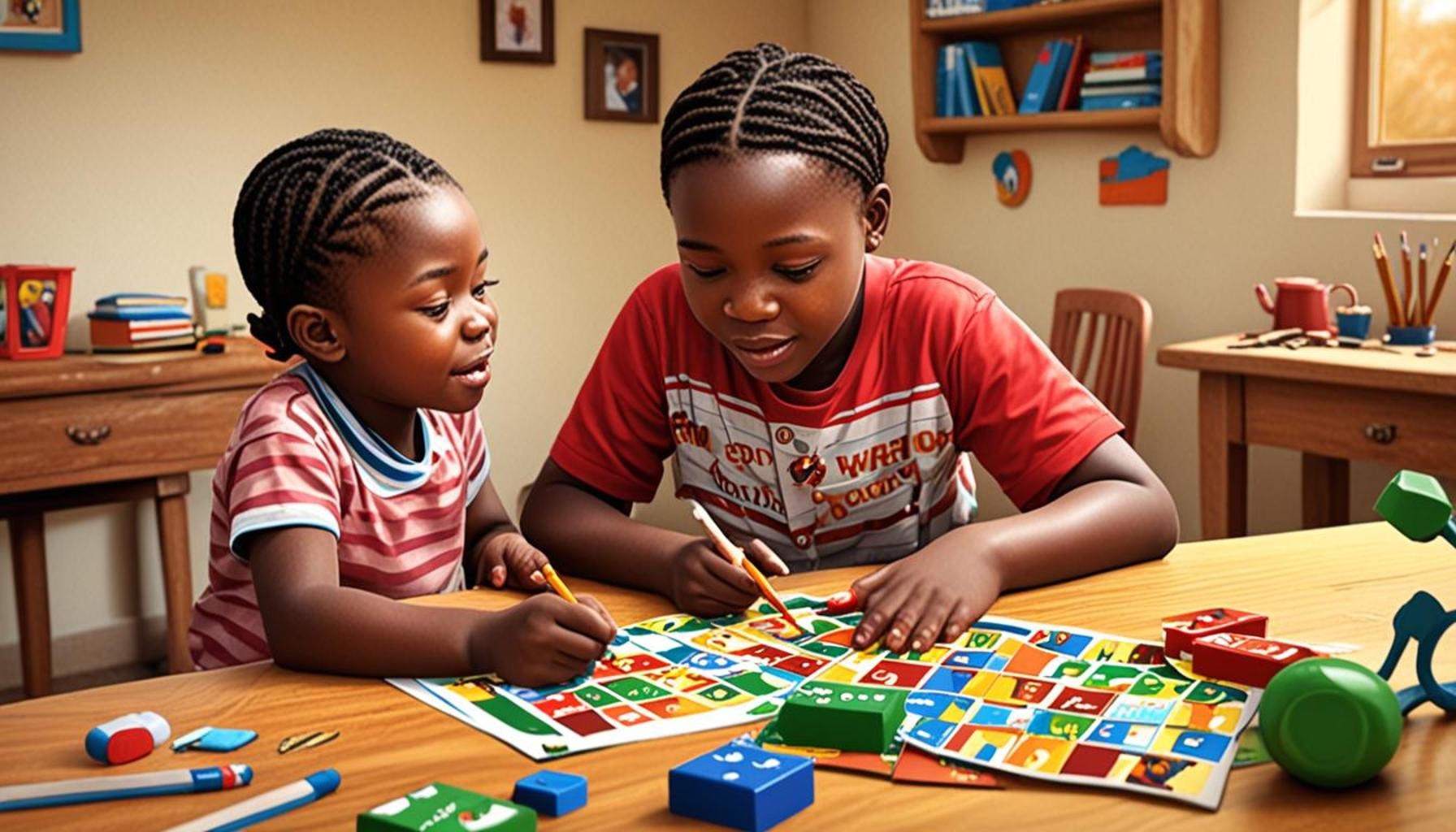
The Significance of Verbal Fluency in Child Development
In an era where communication skills are paramount, verbal fluency stands as a crucial component of a child’s development. This is particularly significant in Nigeria, a nation of over 200 million people and more than 500 indigenous languages. The linguistic diversity here creates a vibrant tapestry of culture and communication, but it also presents challenges in enhancing children’s language abilities. Given this unique backdrop, an interesting question emerges: how can we leverage play to boost language skills in our children effectively?
Word games have emerged as a sensational tool in educational settings, transforming how children engage with language. These games, ranging from traditional to contemporary choices, can drastically impact children’s linguistic growth. Consider the following benefits of incorporating word games:
- Encourages Creativity: As children play word games, they learn to express themselves in unique ways, using language that resonates with their experiences and environment. This creativity helps them articulate thoughts clearly and improvisationally.
- Increases Vocabulary: Games introduce new words in an enjoyable format, helping children remember and use them appropriately. For example, a game of Scrabble encourages players to think critically about the letters they have and creatively build around them, enriching their vocabulary with every turn.
- Boosts Confidence: Regular play imbues children with a sense of accomplishment. As their vocabulary expands and they improve their speaking and listening skills, their self-esteem flourishes, making them more confident communicators.
Various traditional and modern word games, such as Scrabble, crossword puzzles, and local variants like “Ayo”, offer exciting platforms for improving verbal fluency in Nigeria. Not only do these games captivate children’s attention, but they also foster collaboration, where friends and family can engage in healthy competition while building language skills together. Moreover, integrating local languages into word games can further enhance children’s connection to their roots, enriching their overall understanding of language and culture.
As we delve into the effectiveness of word games in improving verbal fluency among Nigerian children, we uncover a world where language learning becomes both entertaining and enriching. These playful engagements can transform routine learning into an absorbing experience. Join us in exploring the myriad ways word games can enhance communication skills for the leaders of tomorrow, equipping them for future complexities in a multicultural society.
ADDITIONAL INSIGHTS: Expand your understanding here
Word Games: A Tool for Language Acquisition
Word games serve as a bridge between play and learning, especially in the context of Nigeria’s rich linguistic heritage. These games are not mere forms of entertainment; they are powerful instruments that foster verbal fluency among children. To understand their effectiveness, it is essential to explore how they contribute to key aspects of language development.
One of the foremost advantages of word games is their ability to create a playful yet structured environment where children can experiment with language. For instance, games like Scrabble and Boggle challenge children to not only think of words but also to spell them correctly and understand their meanings. This combination aids in developing a multi-faceted understanding of language that goes beyond rote memorization. Additionally, these games encourage collaborative play, which can help children learn from one another in a supportive atmosphere.
The impact of word games extends further into specific areas of language learning:
- Improved Listening Skills: Engaging in word games requires children to listen attentively to their peers. Whether they are waiting for their turn or responding to a challenge, their listening abilities sharpen, allowing for better comprehension and interaction.
- Enhanced Critical Thinking: Word games compel children to strategize their moves consciously. For instance, in word association games, players must consider the word provided and connect it to others. This logical reasoning enhances their ability to think critically and approach language in a thoughtful manner.
- Interaction with Peers: In a country as diverse as Nigeria, where children often come from various linguistic backgrounds, word games provide an excellent opportunity for communication. These games can be played in local dialects, creating a more relatable and culturally rich environment for learning.
Moreover, the versatility of word games cannot be overstated. They can be tailored to suit various age groups and linguistic levels, making them adaptable to the unique needs of Nigerian children. Whether it is a classroom setting or a casual gathering at home, word games can be easily incorporated into daily routines, promoting consistent language use. Teachers are also beginning to embrace the integration of word games into their curriculums, recognizing their potential in enhancing verbal fluency among students.
As we further investigate the effectiveness of these games, it becomes evident that they are more than just fun activities. They are practical tools that can lead to significant improvement in children’s verbal skills, ultimately preparing them for better communication in a multicultural society. With the right implementation, word games can become a critical component of language education in Nigeria, transforming how children interact and express themselves with words.
The Role of Word Games in Enhancing Vocabulary
Word games serve as a powerful tool in enriching the vocabulary of Nigerian children and fostering their verbal fluency. These games are not merely a source of entertainment; they provide a structured approach to learning that encourages children to explore new words in a fun and engaging way. Utilizing games such as scrabble and word searches can lead to significant improvements in linguistic skills. Research indicates that children who engage in these activities exhibit a marked increase in their understanding and use of complex vocabulary, thus enabling them to communicate more effectively.
Cognitive Benefits of Playing Word Games
Moreover, word games play a crucial role in cognitive development. As children navigate through varying challenges posed by these games, they develop critical thinking and problem-solving skills that are essential in their everyday interactions. Research shows that as these cognitive skills enhance, the children’s ability to articulate thoughts, engage in discussions, and express themselves clearly also improves. This is particularly important for Nigerian children who need to navigate multiple languages in different contexts. By improving their verbal fluency, these children are likely to excel academically and socially, leading to improved overall development.
| Advantages | Description |
|---|---|
| Increased Vocabulary | Enhances word exposure through engaging formats. |
| Critical Thinking | Encourages problem-solving and analytical skills. |
| Social Skills | Promotes teamwork and communication in group settings. |
Continuing with this theme, it becomes evident that engaging in word games not only addresses linguistic proficiency but also supports holistic child development. Additionally, the competitive nature of some word games keeps children motivated and eager to expand their capabilities, allowing them to flourish both in and outside of academic environments.
ADDITIONAL INSIGHTS: Expand your understanding here
Cognitive Benefits of Word Games
Beyond enhancing verbal fluency, word games offer a plethora of cognitive benefits that are crucial for children’s overall development. Engaging in these games stimulates various areas of the brain, including the regions responsible for memory, attention, and problem-solving. For Nigerian children, who often juggle multiple languages, the cognitive flexibility gained from word games can lead to improved language acquisition across their diverse linguistic landscape.
One significant impact of word games is their role in boosting memory retention. Games like Hangman and crossword puzzles necessitate memorization of vocabulary and their meanings. This exercise empowers children to remember newly introduced words, enabling them to incorporate these terms into their daily speech and writing. A research study demonstrated that children who engaged regularly in word games showcased an enhanced vocabulary repertoire compared to their peers who did not partake in such activities.
Furthermore, word games can significantly enhance a child’s self-confidence in language use. As children successfully navigate these games, they experience a sense of achievement that instills confidence. Consequently, this newfound self-assurance encourages them to engage more actively in conversations, participate in class discussions, and express their ideas more freely. This aspect is crucial in Nigerian classrooms, where active participation is integral to learning, yet many children refrain from speaking due to language barriers or fear of making mistakes.
Additionally, word games serve as a conduit for cultural exchange. In Nigeria’s multicultural context, children have the opportunity to learn about various social settings and linguistic nuances through play. Games that involve storytelling or word constructions in different dialects not only promote language skills but also enhance cross-cultural understanding. For instance, a child who plays a word game that incorporates Yoruba, Hausa, or Igbo words not only enriches their vocabulary but also gains insight into the cultural significance of these words, fostering respect and appreciation for their linguistic heritage.
The Role of Technology in Word Game Engagement
In recent years, the digitalization of word games has opened up vast opportunities for engagement among children in Nigeria. With the accessibility of smartphones and tablets, educational apps featuring word games have proliferated. These apps offer interactive experiences that can captivate children’s attention while simultaneously enhancing their vocabulary and language skills. Moreover, many of these platforms allow for competitive play, where children can challenge their friends, further motivating them to improve their verbal fluency.
As a case in point, apps that incorporate local dialects alongside English can directly address the linguistic diversity in Nigeria. This bilingual interface not only makes learning more relatable but also contextualizes language use within the children’s everyday lives. Encouraging children to play these games can lead to a more profound acquisition of language skills than traditional classroom instruction alone, making it a potent complement to educational practices.
Finally, the inherent social aspect of word games cannot be dismissed. When played in groups, these games promote teamwork and healthy competition, fostering a sense of community among children. This bonding experience is vital in Nigeria, where social interconnectedness is esteemed, providing not only an avenue for language development but also for building lasting friendships.
ADDITIONAL INSIGHTS: Expand your understanding here
Conclusion
In summary, the effectiveness of word games in improving verbal fluency among Nigerian children cannot be overstated. These engaging activities not only bolster vocabulary acquisition and enhance memory retention, but they also play a pivotal role in building self-confidence and promoting cultural awareness. As children dive into word puzzles and play linguistic challenges, they cultivate essential cognitive skills that transcend mere language learning; they foster critical thinking and adaptability in an increasingly dynamic world.
The integration of technology in the form of educational apps further amplifies the potential of word games. With mobile devices becoming ubiquitous in Nigerian households, these interactive platforms enable children to engage with language learning in fun, competitive, and culturally relevant contexts. By leveraging local dialects alongside English, these games not only address the linguistic diversity of Nigeria but also instill a sense of pride in one’s linguistic heritage.
Ultimately, the social aspects of word games enrich the learning experience, creating opportunities for collaboration and teamwork. This communal engagement proves particularly meaningful in Nigeria, where social relationships significantly influence educational outcomes. Encouraging word play among children can transform traditional educational models, making learning more enjoyable and effective.
As we look toward the future, educators and parents alike should embrace the integration of word games into daily learning practices. The results speak for themselves: children equipped with improved verbal fluency are better prepared to succeed academically and socially within their diverse communities. Thus, investing time in word games is not merely a pastime; it is a crucial step towards ensuring that Nigerian children thrive in their multilingual environment.