Mindfulness and reasoning games: an approach to alleviate anxiety through mental challenges

Anxiety and Effective Management Strategies
Anxiety manifests in various forms and can significantly impact daily functioning. In a fast-paced society like Nigeria, characterized by both societal pressures and economic challenges, many individuals are experiencing heightened levels of anxiety. This situation emphasizes the importance of finding effective coping strategies, particularly those that are both practical and engaging.
One promising approach to alleviating anxiety is through mindfulness practices combined with reasoning games. Mindfulness encourages individuals to cultivate an awareness of the present moment, stripping away the distractions of past regrets and future worries. Meanwhile, reasoning games challenge cognitive faculties while providing a much-needed distraction from anxious thoughts. The marriage of these two practices can yield significant mental health benefits. Below are some key features to consider:
- Engagement: Reasoning games, such as puzzles, chess, or logic problems, engage the mind by requiring focus and strategy. This engagement often pushes ruminative thoughts aside, providing a necessary respite from the spirals of anxiety.
- Focus: Mindfulness techniques, like deep breathing exercises and meditation, boost concentration. When combined with the mental demands of reasoning games, players may find themselves more adept at solving complex challenges, reflecting an overall increase in cognitive performance.
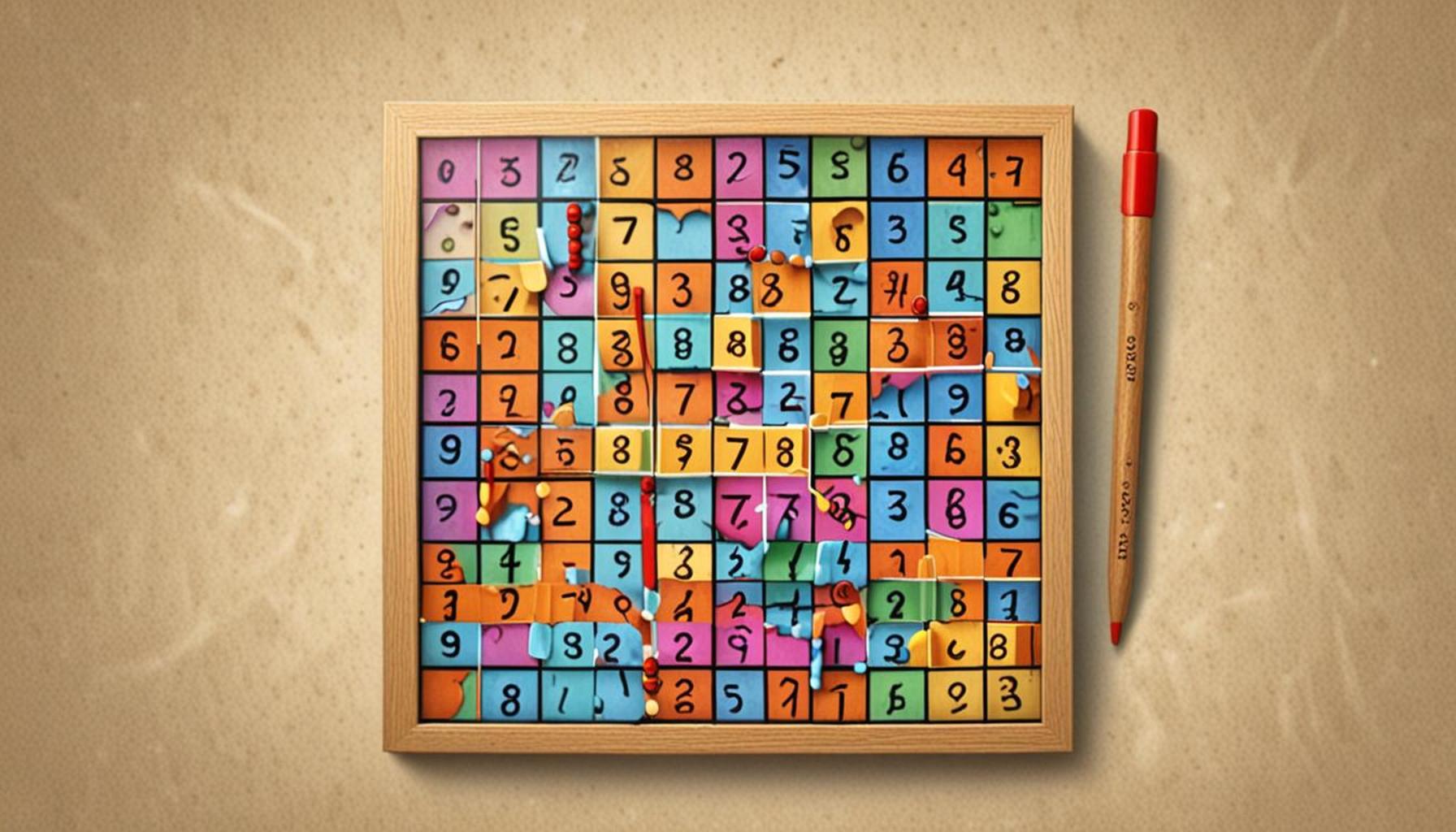
- Relaxation: Many games designed for relaxation, such as Sudoku or even mobile apps like “Calm” and “Headspace,” can help create a serene mental state, making individuals less prone to feeling overwhelmed by stress.
Moreover, the integration of these mental challenges into daily life is exceptionally feasible. Especially with the proliferation of digital platforms, even in Nigeria where mobile technology is ubiquitous, individuals can easily access various reasoning games online. Local options include culturally relevant games that celebrate Nigerian history and folklore, such as traditional puzzles or quizzes about landmarks and notable figures, which additionally foster a sense of national identity.
As we continue to explore the intricate relationship between mindfulness and reasoning games, it is beneficial to delve into specific advantages these practices offer, examine popular game choices available locally, and discuss effective techniques for practicing mindfulness. Not only will this knowledge empower individuals to combat anxiety, but it will also equip them with holistic, enjoyable methods to enhance well-being. By incorporating these strategies into daily routines, you’ll discover new pathways to manage stress and cultivate a more peaceful mindset.
LEARN MORE: This related article may interest you
The Benefits of Mindfulness and Reasoning Games
The intertwined nature of mindfulness and reasoning games presents a unique and powerful avenue for managing anxiety. In a country like Nigeria, where societal expectations and economic fluctuations can create a breeding ground for stress, integrating these practices can serve as a practical approach toward achieving emotional resilience.
Mindfulness, with its emphasis on being present in the moment, helps in grounding individuals and elevating their mental health. Techniques such as meditation and deep breathing act as therapeutic tools, allowing individuals to acknowledge their emotions without judgment. Meanwhile, reasoning games act as cognitive workouts, diverting attention away from anxiety-inducing thoughts. Their combined effect can lead to a profound reduction in feelings of unease as participants learn to navigate their minds more effectively.
Unique Advantages of This Approach
Delving deeper into how this combination can be beneficial, we can highlight a few essential features:
- Cognitive Stimulation: Reasoning games, such as chess or Sudoku, not only challenge problem-solving skills but also invite players to think strategically. This type of engagement can be particularly fulfilling, as individuals experience a sense of achievement, which is crucial for combating anxiety.
- Stress Reduction: Engaging in reasoning games offers a form of mental distraction, creating an opportunity for players to step away from sources of anxiety. By honing focus and concentration through these games, individuals cultivate a state of mental relaxation, thus relieving pressure.
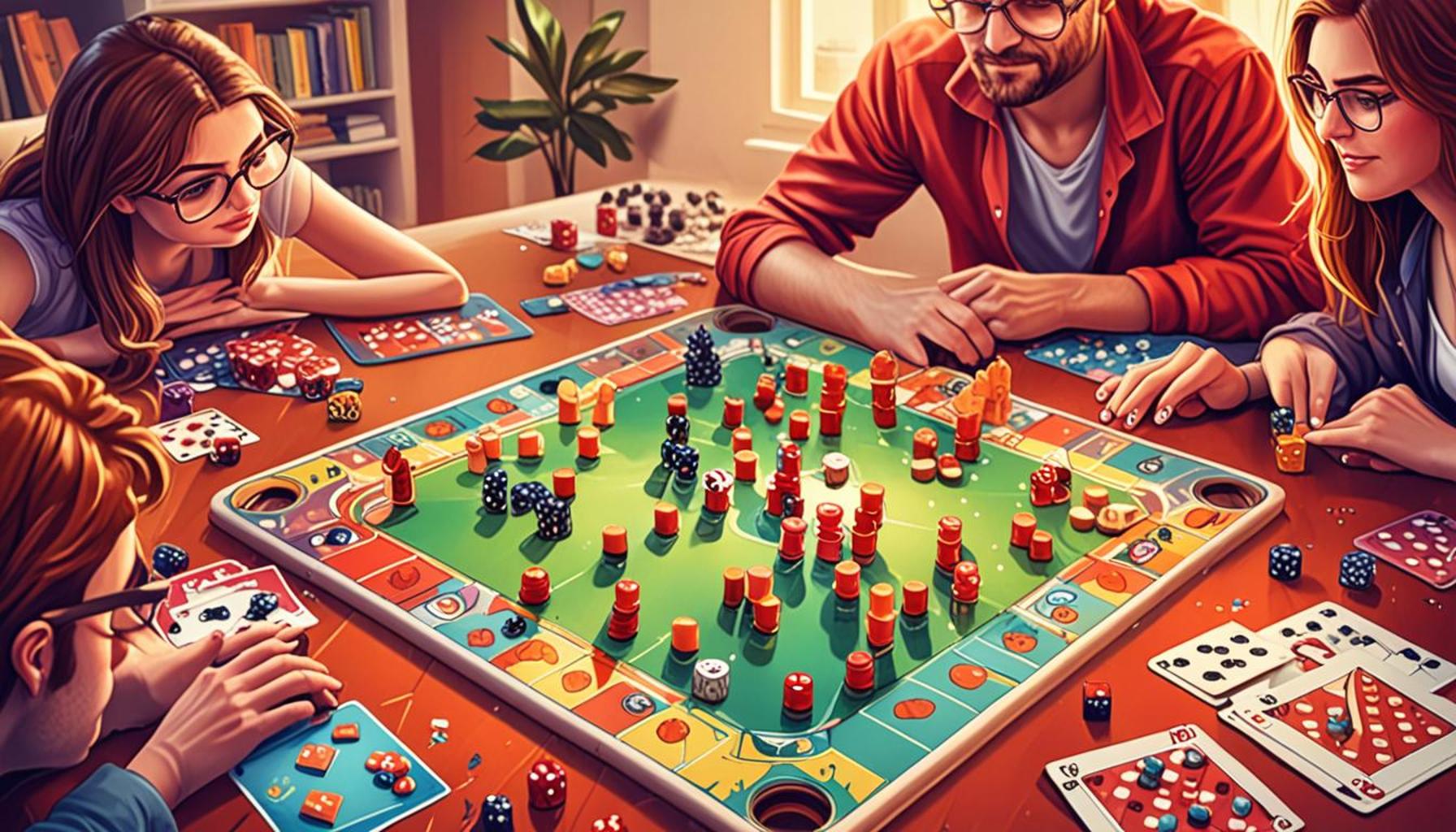
- Community Connection: Playing games often becomes a social activity, allowing individuals to connect with friends and family. This sense of community can enhance the practice of mindfulness, as shared experiences foster deeper relationships and reinforce supportive networks.
In Nigeria, where traditional games such as dambe, a local variant of chess, can be easily integrated into gameplay, there lies an opportunity to merge cultural values with contemporary practices. This cultural relevance is crucial, as it makes the experience more relatable and encourages more individuals to participate in these mental challenges.
Moreover, with the rapid growth of mobile gaming applications available at our fingertips, players can access various reasoning games, ensuring that the practice of mindfulness is not restricted to a specific setting. Many options are available on popular platforms such as Google Play and Apple Store, including popular games that can both challenge the mind and facilitate moments of mindfulness.
As we continue to examine the intersection of mindfulness and reasoning games, it becomes evident that this partnership is more than just a trend; it’s an emerging lifestyle now vital for those seeking to manage anxiety effectively. Therefore, exploring specific games that promote these benefits and the methods to practice mindfulness is essential for advancing this dialogue.
| Advantages | Benefits |
|---|---|
| Enhanced Focus | Games that necessitate reasoning improve concentration, helping players stay engaged and present. |
| Stress Reduction | Mental challenges redirect focus from anxiety triggers, providing an effective mindfulness practice. |
| Critical Thinking | Engaging in reasoning games promotes problem-solving abilities, fostering a sense of accomplishment. |
| Social Interaction | Many games encourage collaboration and communication, reducing feelings of isolation often linked to anxiety. |
Mental challenges and games can serve as tools in transforming the way individuals approach their mental health. By integrating mindfulness techniques with reasoning tasks, players can find a sustainable approach to combatting anxiety. Resilience and adaptability come into play as individuals navigate through problems, leading not only to improved mental agility but also to long-lasting stress relief. The act of playing—whether solo or among peers—cultivates an environment conducive to personal growth and emotional stability, which is essential in today’s fast-paced society. Through this lens, the dual focus on mindfulness and cognitive challenge not only assists in managing daily stressors but also lays the groundwork for a deeper understanding of one’s emotional landscape. Curious to discover how these techniques can be applied in your own life? Explore various games designed specifically for enhancing mindfulness while tackling challenging puzzles and scenarios.
RECOMMENDED: Check out this similar article
Integrating Mindfulness into Daily Life through Reasoning Games
To truly reap the benefits of combining mindfulness and reasoning games, it’s essential to incorporate these practices into our daily routines. Nigeria boasts a rich tapestry of cultural activities that can seamlessly blend mindfulness exercise with reasoning challenges, providing a practical framework for mental well-being. By intentionally creating opportunities for these interactions, individuals can develop routines that not only address anxiety but also promote overall mental fitness.
Practical Applications for Everyday Mindfulness
There are several ways to integrate mindfulness and reasoning games into daily life, paving the way for a more balanced psychological state:
- Daily Game Sessions: Setting aside just 20 to 30 minutes each day for games like Sudoku, puzzles, or even board games can help foster both mindfulness and cognitive stimulation. Committing to this daily practice cultivates a habit that encourages focused mental efforts, generating a sense of accomplishment while alleviating anxiety.
- Mindful Game Playing: While engaging in these games, players can practice being present in the moment. This involves recognizing the thoughts that flutter in the mind while playing, allowing players to acknowledge their feelings without judgment. Understanding emotions through mindfulness becomes easier as individuals dive into cognitive challenges, reinforcing their resilience.
- Incorporating Local Games: Traditional Nigerian games like drafts or ludu not only celebrate cultural heritage but also spur social interaction and connection. Playing these games with friends or family enhances the enjoyment while creating emotional support networks that act as buffers against anxiety.
Furthermore, the adaptation of these strategies within educational settings can play a pivotal role in developing a resilient mindset among the youth. Schools can introduce reasoning games as part of the curriculum alongside mindfulness workshops. This dual approach equips students with essential tools for dealing with academic and peer-related stress, creating a well-rounded experience that nurtures emotional intelligence.
The Online Gaming Phenomenon and Mindfulness
The evolution of technology has significantly contributed to the accessibility of reasoning games, with mobile applications rising to prominence. Numerous apps like Elevate, Peak, and others designed for cognitive training can be integrated into daily mindfulness practices. These platforms often present a variety of puzzles and games that challenge the brain while encouraging users to take breaks, breathe, and practice mindfulness in between sessions.
Moreover, many of these platforms are starting to implement mindfulness reminders or prompts within the gaming experience. These features encourage players to pause and reflect on their current emotional state or take a moment to breathe. Such combinations serve to bridge the gap between gaming and mental wellness, providing an intriguing pathway for anxiety alleviation.
The notion that games can play a critical role in maintaining mental health is supported by research indicating that cognitively engaging activities can improve mood and lower anxiety levels. With limited resources and increasing demands faced by individuals, particularly among the Nigerian populace, finding methods to incorporate mindful gaming could revolutionize how we address mental health in our communities.
ADDITIONAL INSIGHTS: Expand your understanding here
Conclusion: The Synergy of Mindfulness and Reasoning Games in Combatting Anxiety
The intersection of mindfulness and reasoning games presents a powerful approach to alleviating anxiety, cultivating a tranquil mind while simultaneously enhancing cognitive flexibility. As we’ve explored, integrating mindfulness practices into daily gaming not only encourages focused mental engagement but also fosters emotional resilience. The commitment to dedicating even a brief period daily to these activities can transform individual experiences, helping to navigate the complexities of modern life, especially within the Nigerian context.
Moreover, the popularity of mobile applications makes it increasingly easier to access a myriad of reasoning games that cater to various skill levels, accommodating the needs of different age groups. The blend of traditional games celebrated in Nigeria with contemporary digital gaming provides endless opportunities for social interaction, entertainment, and mental wellness. This combination is especially pertinent in the face of rising anxiety levels in an ever-evolving world.
Educational institutions stand to benefit immensely from this approach, incorporating mindfulness and reasoning games into curricula to develop emotionally intelligent, resilient youths. By fostering an environment where students learn to manage stress creatively and responsibly, we pave the way for a generation that views mental well-being as intrinsic to their success.
Ultimately, mindfulness and reasoning games together offer a holistic toolkit to combat anxiety, inviting individuals to explore their mental landscapes actively. As we commit to these practices, we can move forward towards a brighter future where mental health is prioritized, and every challenge is met with clarity and confidence.