How Puzzles Enhance Problem-Solving Skills in Adults
The Power of Puzzles in Everyday Problem-Solving
In today’s fast-paced world, the ability to solve problems effectively is a skill that every adult can benefit from. Engaging in puzzles can act as a powerful tool to sharpen these abilities, offering both mental stimulation and entertainment. The unique nature of puzzles encourages individuals to think critically, fostering the development of various cognitive skills crucial in daily life and work environments.
Benefits of Incorporating Puzzles into Your Routine
Consider the following benefits of incorporating puzzles into your routine:
- Enhanced Critical Thinking: Puzzles often require adults to analyze situations from multiple angles. For instance, solving a complex jigsaw puzzle demands not only a visual assessment but also spatial reasoning and strategy formulation. As individuals work through each piece, they learn to evaluate their options and make informed decisions.
- Improved Memory: Regular puzzle-solving can enhance memory retention and recall. Engaging with word searches or crossword puzzles, for example, aids in reinforcing vocabulary and improving linguistic skills. Research suggests that this kind of cognitive exercise can boost overall brain function, allowing for better information retention over time.
- Increased Patience: Working through challenging puzzles fosters perseverance and resilience. A Sudoku puzzle, for example, encourages not only logical reasoning but also the ability to cope with frustration when one hits a roadblock. This practice of patience translates into real-life scenarios, helping individuals navigate through obstacles with greater calm and tenacity.
Puzzles and Traditional Games in Nigeria
For many in Nigeria, traditional games like drafts or local riddles serve as precursors to modern puzzles. These activities are more than just cultural pastimes; they are vital in honing skills essential for everyday problem-solving. For instance, drafts requires strategic thinking, as players must anticipate their opponent’s moves while planning their own—a skill directly transferrable to both personal and professional contexts.
Moreover, studies indicate that engaging with puzzles can even lower the risk of cognitive decline as one ages. Activities that challenge the brain, such as puzzles and games, create neural pathways that help maintain cognitive health well into one’s later years, making this practice beneficial for both young adults and the aging population alike.
Cognitive Development Through Puzzles
As adults embark on the journey of problem-solving through puzzles, they are not just engaging their minds but also building a robust foundation for enhanced analytical skills. Whether it is tackling a challenging crossword, participating in a spirited game of drafts, or deciphering intriguing local riddles, these activities stimulate creative thinking and resourcefulness.
This article will delve deeper into how these mental challenges can transform the way individuals approach problems in their personal and professional lives. As more Nigerians embrace puzzles and traditional games, they not only enjoy heated competition and entertainment but also equip themselves with indispensable skills that impact their everyday decision-making.
LEARN MORE: This related article may interest you
The Cognitive Benefits of Puzzle Solving
Puzzles are not merely a form of entertainment; they foster crucial cognitive development that can significantly enhance problem-solving skills in adults. This mental engagement promotes a range of benefits that span from improved cognitive flexibility to refined strategic thinking, both of which are essential in various aspects of life.
Critical Analysis and Decision-Making
At the core of puzzle-solving lies the ability to critically analyze information. Engaging in activities such as Sudoku or crossword puzzles encourages participants to evaluate clues or numbers methodically. Each puzzle presents its unique set of challenges, requiring solvers to draw from previous experiences while organizing their strategies. By consistently tackling these challenges, individuals enhance their decision-making abilities, learning to trust their judgments and improve their analytical skills.
Moreover, puzzles require adults to process information actively and efficiently. For instance, working on a jigsaw puzzle demands recognizing patterns, shapes, and interrelationships among the pieces. Individuals must make rapid assessments about which pieces fit together, sharpening their ability to think on their feet. These experiences cultivate a habit of swift evaluation, leading to quicker decision-making in real-world scenarios.
Boosting Creativity and Outside-the-Box Thinking
Another fascinating aspect of engaging with puzzles is the boost it gives to creativity. Puzzles often require thinking outside-the-box, pushing individuals to approach problems from different angles. Whether it’s figuring out an unconventional way to place a piece in a jigsaw or finding an alternative answer for a crossword puzzle clue, this creative process nurtures innovative thinking skills.
Engaging with a variety of puzzles stimulates the brain’s neural pathways, promoting connections between disparate thoughts and ideas. This neuroplasticity is vital in assisting adults in crafting novel solutions to everyday challenges. In fact, many professionals across diverse fields encourage staff members to engage in regular puzzle-solving as part of their work culture to foster creativity and innovation.
Social Interactions and Team Problem-Solving
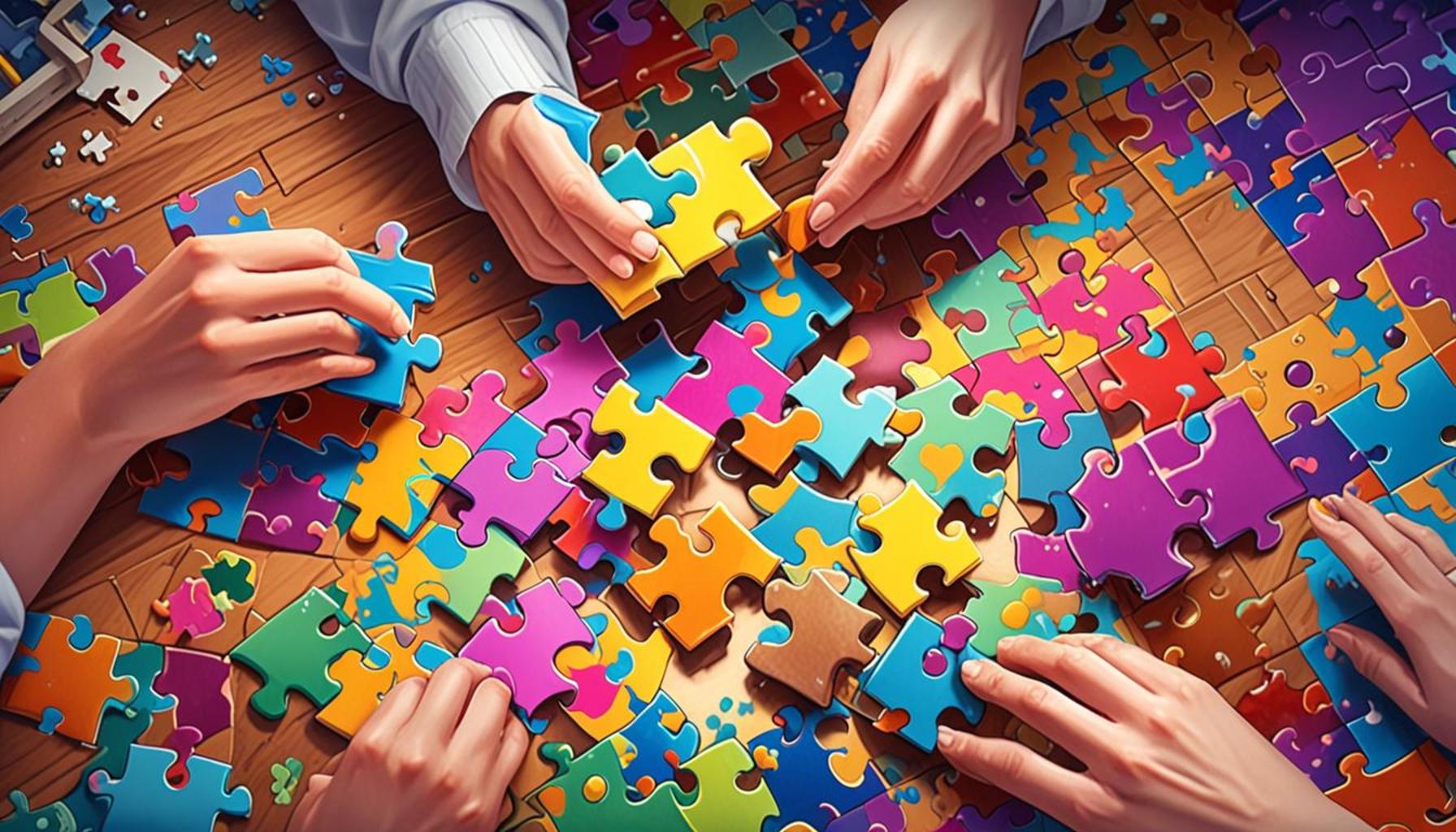
Puzzles can also serve as an exciting avenue for social interaction. Participating in puzzle challenges with friends, family, or colleagues can lead to collaborative problem-solving experiences. This not only enhances team dynamics but also allows participants to learn different problem-solving approaches from each other. Traditional games like the Nigerian favorite, drafts, exemplify this social element; as players strategize together, they inevitably sharpen their communication skills and emotional intelligence, both essential to successful problem-solving.
This communal aspect of puzzle-solving fosters a rich learning environment, reminding individuals that collaboration often yields better outcomes than solitary efforts. The exchange of ideas in a team context only reinforces the concept that diverse perspectives can lead to more effective solutions. As adults incorporate more puzzles into their routines—whether through traditional games or modern puzzles—they not only nurture their minds but also enrich their social interactions.
Understanding the Mechanics of Puzzles and Their Impact on Adult Intelligence
Puzzles are more than just a form of entertainment; they are powerful tools for cognitive enhancement. Engaging with puzzles, whether they are Sudoku, crosswords, or jigsaw challenges, stimulates various regions of the brain, fostering vital skills that translate to real-world problem-solving. Through the process of identifying patterns, making predictions, and determining strategies, adults can sharpen their analytical abilities and improve their decision-making skills.
The Neuroscience Behind Puzzle Solving
Research indicates that engaging in mentally stimulating activities like puzzles can combat cognitive decline and enhance overall brain health. When solving puzzles, the brain undergoes a workout equivalent to physical exercise for the body. Neuroplasticity plays a key role here; as adults tackle complex challenges, their brains form new connections and pathways, enhancing both short-term memory and critical thinking abilities.
Real-Life Applications of Improved Problem Solving Skills
The skills honed through puzzle-solving extend to various professional and personal domains. Whether it involves strategizing in business, resolving conflicts, or navigating everyday challenges, individuals with refined problem-solving skills can approach situations with confidence and creativity. Additionally, engaging in group puzzle activities also promotes teamwork and communication skills, further enriching interpersonal relationships.
| Advantages | Impact Beyond Puzzles |
|---|---|
| Enhances Cognitive Function | Boosts memory, reasoning, and processing speed. |
| Increases Focus and Concentration | Improves attention span, translating to better work productivity. |
Incorporating puzzles into daily routines not only serves as an enjoyable pastime but also offers a wealth of benefits that can enhance one’s life skills. By understanding how they influence cognition, adults can make informed choices to include such activities in their lives, paving the way for greater success both personally and professionally.
CHECK OUT: Click here to explore more
Transforming Mindsets Through Puzzle Challenges
Puzzles not only enhance individual problem-solving skills but also serve as transformative tools that can reshape one’s mindset towards challenges and failures. Engaging with a puzzle can often be a test of patience and persistence, essential traits required in overcoming barriers in both personal and professional settings.
Resilience and Persistence
When adults tackle a complex puzzle, they inevitably encounter obstacles that require numerous attempts and revisions before the solution becomes evident. This iterative process instills a sense of resilience, as solvers learn to push through difficulties rather than giving up. Research indicates that developing resilience can significantly alter how individuals approach challenges in real life. For instance, adults who regularly engage in puzzles often report feeling less daunted by failure, as they recognize that it is merely a step toward arriving at a solution. Such resilience is crucial in Nigeria’s fast-paced economy, where problem-solving under pressure is a common demand.
This ability to remain steadfast in the face of setbacks leads to improved outcomes in various life aspects. Participants may find themselves demonstrating greater determination in their careers, personal projects, and even during community engagements. This shift in mindset can positively influence workplace dynamics, transforming frustrations into opportunities for growth.
Attention to Detail and Analytical Insights
Puzzles also play a significant role in honing adults’ attention to detail. In a world bombarded with information, the ability to sift through noise and focus on the essential elements of a problem is invaluable. Logic puzzles and riddles, for example, necessitate precise attention to detail, as a single overlooked clue can derail an entire solution. As individuals practice this skill, they cultivate an analytical mindset—an increasingly important trait in areas such as finance, data analysis, and strategic planning.
In the Nigerian context, where burgeoning industries such as tech and agriculture are evolving rapidly, being detail-oriented while problem-solving can lead to innovative breakthroughs and significant improvements in efficiency. Professionals in these fields can benefit from regular engagement with puzzles to refine their analytical insights, directly translating into better performance in their day-to-day roles.
Integration of Technology and Modern Puzzles
The advent of technology has also shifted the puzzle landscape, introducing a plethora of digital puzzles that cater to adults looking for an engaging way to sharpen their problem-solving skills. Apps like Elevate and websites like PuzzleNation offer diverse challenges that range from brain teasers to logic games, allowing users to engage at their own pace. This incorporation of technology facilitates ongoing learning possibilities, making it easier for adults to integrate puzzle-solving into their daily routines.
There’s also a growing trend in Nigeria towards online escape rooms and digital puzzle challenges, which further highlight the collective problem-solving capabilities of individuals. Virtual environments encourage collaboration and critical thinking, making such platforms both a fun and effective means to connect with others while honing essential skills. This is particularly relevant in an increasingly digital age, where teamwork and technology-driven solutions are paramount.
In summary, puzzles bridge the gap between leisure and learning, making them effective tools for enhancing problem-solving skills in adults. They do so by instilling resilience, improving attention to detail, and adapting to technological advancements, ensuring that participants remain equipped to tackle both everyday dilemmas and larger life challenges.
LEARN MORE: This related article may interest you
Unlocking Potential Through Puzzle Engagement
As we draw our exploration of how puzzles enhance problem-solving skills in adults to a close, it is evident that engaging with these brain-teasers transcends mere entertainment. Puzzles serve as a unique sandbox for cultivating vital skills such as resilience, attention to detail, and adaptation to modern technological platforms. The iterative nature of puzzle-solving instills a mindset that recognizes the importance of perseverance, a quality pivotal in the chaotic environments of Nigeria’s evolving job market.
The integration of digital puzzles and online collaborative experiences showcases the versatility and relevance of problem-solving skills in contemporary settings. As adults immerse themselves in these activities, they not only sharpen their minds but also forge connections with peers, encouraging teamwork and camaraderie. Moreover, the skills acquired through puzzle-solving have profound implications for driving innovation in Nigeria’s key sectors such as technology and agriculture, where analytical insights can lead to groundbreaking advancements.
Ultimately, adopting puzzles as part of a regular lifestyle is not just a means of self-entertainment; it is a strategic investment in one’s cognitive development. As adults in Nigeria and beyond embrace the challenges that puzzles present, they are not just solving problems in isolation; they are fortifying their ability to tackle the myriad complexities of life. As we move further into the future, continuing to explore and engage with puzzles may well be the key to unleashing untapped potential in problem-solving and decision-making.