
How Problem-Solving Skills Are Developed Through Digital Puzzles
Enhancing Skills through Digital Engagement
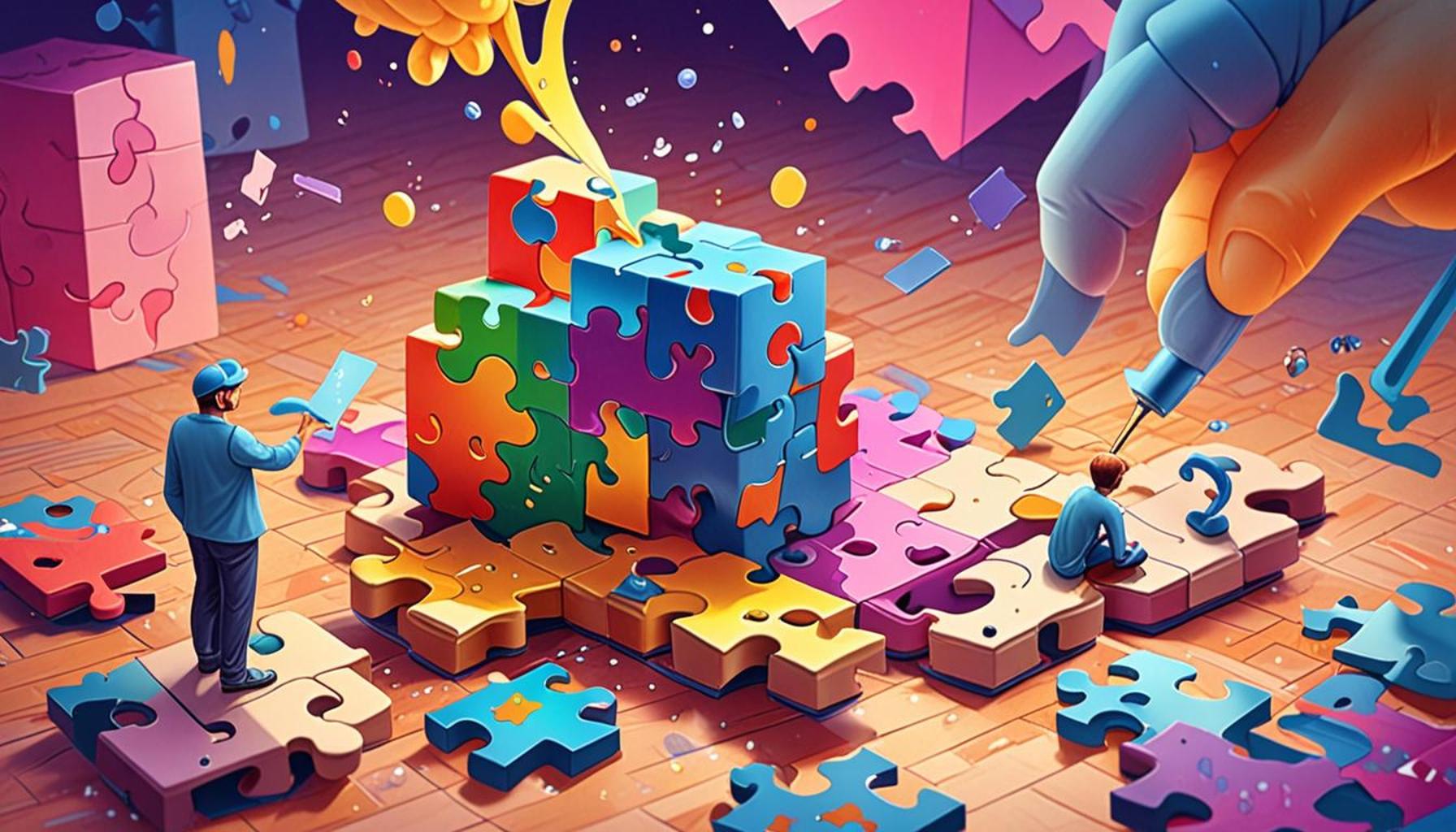
Digital puzzles serve as more than just engaging distractions; they are platforms that enhance critical problem-solving skills essential for personal and professional growth. In a rapidly changing economy like Nigeria’s, where innovation and agility are pivotal, the ability to think critically and solve intricate problems is increasingly recognized as a vital asset. By immersing themselves in the world of digital puzzles, individuals can cultivate abilities that have far-reaching implications in various aspects of life.
Considered cognitive workouts, digital puzzles enrich the brain in numerous ways. For instance, when working through a jigsaw puzzle app, players must remember previous pieces while strategizing on where the next piece might fit. This process enhances cognitive development, promoting logical reasoning and improving both short-term and long-term memory capabilities. Studies even suggest that regular engagement with puzzles can stave off mental decline as one ages, making them not only beneficial for children but also for adults looking to sharpen their wit.
Moreover, digital puzzles actively foster critical thinking. When players are faced with varying pathways or solutions in games like Sudoku or logic puzzles, they are prompted to explore numerous strategies before settling on the most effective one. This decision-making process is essential in today’s high-pressure work environments where quick yet informed responses can be game-changers. Nigerian youths, often confronted with competitive job markets, can harness these skills to stand out in interviews and workplace scenarios.
Engaging with puzzles also nurtures patience and persistence. Navigating through challenging levels or intricate problems teaches individuals that setbacks are part of the journey. For example, many gamers experience failures in reaching a specific milestone, requiring them to recalibrate and try again. This lesson in resilience translates well beyond the screen, providing learners in Nigeria with the grit needed to tackle real-world challenges, whether in academia or entrepreneurship.
The allure of digital puzzles lies in their diversity and accessibility. From mobile app games that encourage competitive play with friends to complex online riddles that require collaborative problem-solving, there is something for everyone. As Nigerian students engage with these interactive formats, they are not only having fun but also sharpening their analytical thinking and enhancing focus—vital skills in an age where distractions abound.
As the digital landscape continues to evolve, integrating these cognitive tools within educational systems could play a transformative role in shaping a generation ready to thrive. With a growing emphasis on STEM education, puzzles can complement traditional learning by providing practical applications of abstract concepts. This exploration of engaging challenges could ultimately unlock the potential of many, paving the way for innovative thinkers, problem solvers, and future leaders in Nigeria and beyond.
SEE ALSO: Click here to read another article
The Mechanics of Problem Solving in Puzzles
To truly appreciate how problem-solving skills are honed through digital puzzles, it’s crucial to understand the mechanics involved in these cognitive tools. At their core, digital puzzles require participants to engage with multiple dimensions of thought, blending creativity with logical reasoning to arrive at effective solutions. As users immerse themselves in these puzzles, they find themselves navigating environments rich in challenges that push the boundaries of their intellectual capabilities.
Digital puzzles come in various shapes and forms—from classic Sudoku and crossword puzzles to more contemporary offerings like escape room games and logic challenges. Each type of puzzle promotes different cognitive processes, all aimed at enhancing an individual’s problem-solving ability. For instance, consider the following aspects:
- Pattern Recognition: Many digital puzzles, such as jigsaw puzzles, depend heavily on the player’s ability to identify and predict patterns. As players piece together a mosaic, they gradually learn to anticipate how certain elements interact, thereby improving their analytical skills.
- Strategic Planning: In games like chess or even strategy-based mobile apps, players must develop and implement a game plan that can adapt to their opponent’s moves. This necessity to think ahead cultivates foresight and strategic thinking—skills that are increasingly essential in both academic and professional environments.
- Resource Management: Puzzle apps often impose constraints on time or resources, compelling players to allocate their efforts effectively. This experience translates to real-world situations in Nigeria, where resource optimization is frequently needed in everything from managing time during exams to budgeting finances in entrepreneurship.
Moreover, the engagement with these puzzles serves another significant purpose: fostering a collaborative spirit among users. Many digital platforms allow for social interactions, where players share hints or compete against peers. This aspect of collaboration encourages users to communicate their problem-solving processes, which enhances their ability to articulate thoughts clearly and listen actively to others—a skill that is invaluable in teamwork settings common in Nigerian workplaces.
Furthermore, research supports the notion that regular engagement with digital puzzles positively influences children’s abilities in mathematics and literacy. A study conducted by the University of Alberta found that students who participated in puzzle-oriented learning exhibited improvements in problem-solving and critical thinking compared to their peers who did not engage with similar content. This aligns with the educational needs in Nigeria, where innovative teaching methods are increasingly being prioritized to prepare students for challenging futures.
The journey through digital puzzles not only sharpens functional skills but also contributes to personal growth. The challenges encountered within these games teach individuals how to manage frustration, embrace a growth mindset, and develop self-confidence as they progressively conquer tougher levels. These psychological benefits further solidify the importance of digital puzzles as legitimate resources for enhancing problem-solving skills among Nigerian youths.
Understanding the Development of Problem-Solving Skills
Digital puzzles have emerged as more than just a pastime; they are vital tools for developing critical problem-solving skills. As players engage with various types of puzzles, such as logic games, crosswords, and jigsaw puzzles, they inherently cultivate a range of cognitive abilities that are applicable in everyday life.
The Role of Challenges in Cognitive Growth
One of the hallmark features of digital puzzles is their structured challenge. Each puzzle poses unique obstacles that intrigue and engage the participant’s mind. By facing these challenges, players learn to think critically and explore various strategies to find solutions. For example, solving a complex grid puzzle requires recognizing patterns, making educated guesses, and deducing information based on clues, all of which sharpen analytical thinking.
Building Perseverance and Patience
Digital puzzles also teach invaluable lessons in perseverance. As players encounter difficulties, they must practice patience and resilience. The ability to step back, reassess their approach, and try different methods fosters a mindset that is not just effective in gaming but also essential in personal and professional environments. This perseverance can be pivotal in real-life situations, allowing individuals to tackle complex challenges without giving up easily.
Collaboration and Social Interaction
Moreover, many digital puzzle platforms encourage collaboration. Engaging with others through multiplayer modes or sharing solutions adds a social dimension to puzzle-solving. This interaction promotes communication skills and teamwork, essential elements in problem-solving scenarios. Working with others introduces diverse perspectives, leading to innovative solutions that an individual might not achieve alone.
Emotional Development through Gameplay
An often-overlooked aspect of puzzle-solving is its impact on emotional intelligence. Completing a challenging puzzle can evoke a sense of accomplishment and boost self-esteem. The feelings of joy and satisfaction that arise from solving a puzzle also teach emotional regulation, as players learn to manage frustration when things don’t go as planned.
| Advantages | Description |
|---|---|
| Enhanced Cognitive Abilities | Digital puzzles promote critical thinking, pattern recognition, and strategic planning. |
| Improved Emotional Intelligence | Players learn to manage their emotions and develop patience while overcoming challenges. |
| Collaboration Skills | Engaging with others fosters teamwork and diverse problem-solving approaches. |
Through the engaging world of digital puzzles, players not only enjoy the fun of gameplay but also hone problem-solving skills essential for life. By nurturing critical thinking, emotional resilience, and collaboration, these interactive experiences provide a robust foundation for personal development and lifelong learning.
CHECK OUT: Click here to explore more
The Broader Impact of Digital Puzzles on Cognitive Development
Beyond the immediate benefits of enhancing specific problem-solving skills, digital puzzles play a vital role in a broader context of cognitive development. Studies have shown that engaging with these brain-teasers can evoke changes in neurological functions, encouraging long-term cognitive health. For instance, a report from the American Psychological Association highlights that activities which require problem-solving practice, such as digital puzzles, can stave off cognitive decline as individuals age. This finding is significant in Nigeria, where the population is rapidly aging and maintaining mental agility is increasingly crucial.
Moreover, the adaptation of digital puzzles to various cultural contexts offers unique opportunities for localized learning experiences. For example, puzzles can incorporate elements of Nigerian history, language, and culture, thereby making the learning process relatable and authentic. Games that intertwine traditional narratives into puzzle formats not only entertain but also educate users on their heritage while honing their problem-solving abilities. This innovative approach can revitalize interest in native languages and stories among young Nigerians, promoting a form of cultural preservation alongside cognitive development.
Furthermore, the accessibility of digital puzzles via smartphones presents a significant advantage in Nigeria, where mobile technology adoption is skyrocketing. This widespread access allows individuals from diverse socio-economic backgrounds to engage with educational content, leveling the playing field when it comes to developing critical thinking skills. A report by the Nigerian Communications Commission indicates that over 80% of Nigerians now own a mobile device, presenting an unprecedented opportunity for educational initiatives that utilize digital puzzles to enhance problem-solving skills.
The competitive aspect of many digital puzzle games also plays a crucial role in developing important life skills. Players often find themselves in high-pressure scenarios where they must analyze, strategize, and execute solutions quickly—mirroring the dynamics of many real-world situations, from job interviews to project deadlines. This simulation of stress and urgency enables users to build resilience and adaptiveness, traits that are invaluable in Nigeria’s fast-paced work environment.
In addition, the neuroplasticity attributed to problem-solving through digital puzzles can pave the way for innovation. A survey published in the Journal of Educational Psychology demonstrated a marked increase in creative problem-solving skills among students who regularly engaged in puzzle-based learning. In a locale like Nigeria, where young entrepreneurs are on the rise, fostering innovative thinking via puzzling activities could lead to new business ideas and solutions to local challenges.
Lastly, the emotional and psychological benefits associated with solving digital puzzles cannot be overlooked. The sense of achievement that accompanies completing a challenging puzzle can significantly boost an individual’s self-esteem and motivation. In a society where mental health resources may be limited, such positive reinforcement is essential for nurturing a healthy mindset and encouraging proactive learning habits among the youth. By improving self-efficacy through puzzle-solving, young Nigerians are more likely to tackle academic and professional challenges head-on.
SEE ALSO: Click here to read another article
Conclusion: Unlocking Potential Through Digital Puzzles
In conclusion, the journey of developing problem-solving skills through digital puzzles transcends mere entertainment, offering profound cognitive and cultural benefits, particularly in the Nigerian context. As evidenced by numerous studies, puzzle engagement leads to enhanced mental acuity, boosting critical thinking and creativity that align perfectly with Nigeria’s burgeoning entrepreneurial landscape. By embracing the challenge of digital puzzles, individuals not only sharpen their analytical skills but also experience notable improvements in emotional well-being, as the sense of achievement can significantly elevate self-esteem.
Moreover, the integration of local cultural narratives into these puzzles serves a dual purpose; it enriches the gaming experience while fostering a sense of identity and heritage among youth. This localized approach not only caters to varying interests but also amplifies the importance of preserving traditional knowledge amidst rapid modernization. As digital literacy continues to rise, with over 80% of Nigerians owning mobile devices, the accessibility of such educational tools democratizes learning opportunities, enabling people from all walks of life to engage in cognitive development.
The involvement in digital puzzles cultivates a resilient mindset essential for the fast-paced challenges of modern life. As individuals navigate through intricate scenarios within these games, they simultaneously prepare for real-world situations that demand quick thinking and strategic planning. This element of competition can inspire a new generation of problem solvers who are equipped to tackle Nigeria’s unique challenges in innovative ways. With the ongoing embrace of digital learning tools, the potential for enhancing problem-solving skills through digital puzzles is indeed vast and promising. Encouraging widespread participation could lead to a more inventive and mentally agile society, ultimately driving Nigeria towards a brighter future.