
How Adventure Games Can Stimulate Creativity in Problem Solving

The Role of Adventure Games in Enhancing Creativity
In an era where innovation is crucial, leveraging unconventional methods to foster creative thinking is essential. Adventure games, often dismissed as simply leisure activities, provide a dynamic arena for players to hone their problem-solving abilities while encouraging creative expression. These games transform player engagement into an imaginative journey filled with challenges and narratives that stimulate mental agility.
One of the primary aspects of adventure games that supports creativity is their incorporation of complex puzzles. These puzzles require players to engage in critical thinking and lateral problem-solving. For example, games like “The Legend of Zelda” series feature multi-layered puzzles that demand players to combine various items and skills to progress. This style of gameplay encourages players not only to focus on immediate solutions but also to consider a range of possible approaches, thereby enhancing their ability to think creatively in various contexts.
Another significant characteristic is the presence of open-ended scenarios. Many adventure games allow players the flexibility to explore different pathways to achieve their goals. This freedom fosters an environment where players can experiment and make unique decisions, further promoting a creative mindset. Take “Life is Strange” for example, where players’ choices significantly shape the outcome of the narrative, encouraging them to think critically about the consequences of their actions.
Moreover, the story-driven engagement found in adventure games plays a crucial role in developing creativity. With compelling narratives and well-crafted characters, games encourage players to empathize and analyze various circumstances. In “Gris,” a game rooted in emotional storytelling, players tackle obstacles that symbolize grief and loss, thereby leading them to explore complex human emotions and responses, ultimately boosting their creative problem-solving skills.
In Nigeria, the burgeoning gaming culture highlights the importance of localized adventure games. Titles that draw on African folklore or familiar landscapes resonate deeply with players, creating a richer interactive experience. For instance, games that incorporate traditional Nigerian stories can enhance cultural connection and engagement, teaching both history and creativity through gameplay. An example might be a game that immerses players in the world of the Yoruba or Igbo myths, encouraging them to solve puzzles based on these narratives.
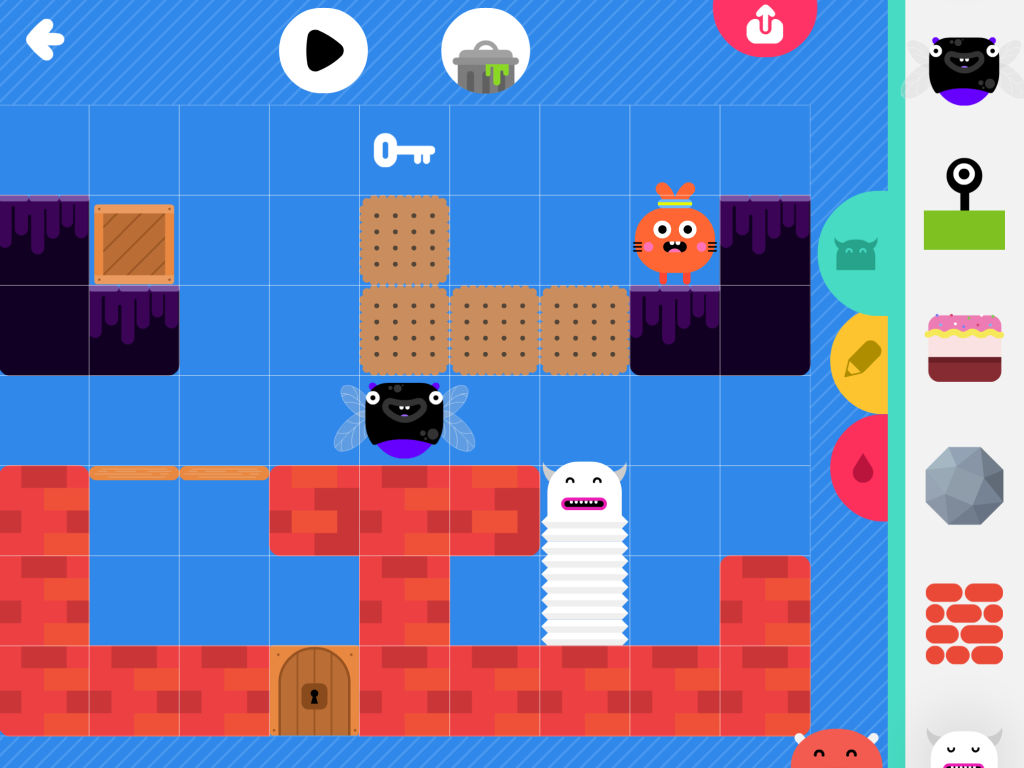
As we further examine the impact of adventure games beyond mere entertainment, it’s evident that they prepare players for real-world challenges. They enhance cognitive skills such as critical thinking and collaboration, which are invaluable in various professional settings. By navigating the intricate worlds of adventure games, individuals become adept at tackling problems creatively, a skill that is increasingly necessary in our rapidly evolving society. With their rich potential, adventure games serve not only as a source of entertainment but also as a significant tool for personal growth and development. The intersection of gaming and creativity offers exciting opportunities, encouraging players to unlock their imaginative potential in ways they may not have considered before.
SEE ALSO: Click here to read another article
Unlocking Creative Thinking Through Gameplay
Adventure games offer a unique blend of engagement and cognitive stimulation, guiding players toward improved problem-solving skills. These games, with their captivating environments and intricate designs, create a rich tapestry that encourages innovative thinking. As players navigate through various challenges, they confront scenarios that require them to apply creativity in unexpected ways. A deeper understanding of the factors at play can shed light on how these gaming experiences cultivate creative cognition.
At the heart of many adventure games lies a series of interconnected challenges that compel players to make connections across different scenarios. For instance, in “Monkey Island,” players must utilize elements from one puzzle to progress in another, underscoring the importance of interdependency in creative problem-solving. This interconnectedness prompts gamers to develop a holistic thought process, allowing them to view problems from multiple angles and enhance their creative solutions.
Additionally, the art of trial and error embedded within adventure games cannot be overlooked. In titles like “The Walking Dead,” players often face moral dilemmas that require careful deliberation before taking action. This gameplay mechanic nurtures a safe environment where players can experiment with various outcomes without the fear of real-life repercussions, cultivating resilience and innovative thinking. By learning from failures and successes, players refine their approaches, which is instrumental in real-world problem resolution.
Furthermore, players must often collaborate with other characters within the game, which highlights the importance of teamwork in creative problem-solving. Games such as “Portal 2” involve cooperative gameplay, where players must communicate and strategize to overcome obstacles. This aspect fosters skills that are directly transferable to real-life teamwork, emphasizing effective collaboration as a crucial element in both gaming and professional environments.
- Critical Thinking: Players analyze situations and devise strategies to navigate challenges.
- Adaptive Learning: Failure becomes a stepping stone for understanding and unearthing better solutions.
- Collaboration Skills: Interactions with other characters enhance communication and teamwork abilities.
Moreover, the cultural relevance of adventure games can significantly enhance the player’s experience. Developing games that resonate culturally, such as those inspired by local legends, folklore, and history, can create a deeper connection. This engagement not only entertains but also educates players about their heritage while fueling creative exploration. For example, a game exploring the adventures of famed Nigerian heroes can integrate puzzles and challenges that require putting these cultural narratives to the test, nicely blending storytelling with problem-solving.
In summary, adventure games serve as dynamic platforms for creativity in problem-solving. By immersing players in complex puzzles, encouraging trial and error, and fostering cooperative gameplay, these games prepare individuals for the complexities of the real world. They illustrate that creativity is not merely a talent but a skill that can be nurtured and developed. As the gaming landscape evolves, so too does the potential for adventure games to emerge as pivotal tools for igniting imaginative thinking and innovative problem-solving skills.
Adventure games have long been recognized for their ability to enhance cognitive skills, particularly in the realm of problem-solving creativity. Their immersive nature invites players to engage in complex scenarios requiring thoughtful decision-making and innovative thinking. Each challenge presented within these games encourages players to explore multiple solutions, fostering a sense of creativity that transcends conventional boundaries.One of the most significant advantages of adventure games is their capacity to create a safe environment for exploration. Players often face puzzles that necessitate out-of-the-box thinking, allowing them to experiment with various outcomes without real-world consequences. This not only builds confidence in their problem-solving abilities but also encourages a willingness to take risks in real-life situations. Moreover, these games often involve rich narratives that require players to connect dots between disparate pieces of information. This narrative-driven approach not only keeps the gameplay engaging but also trains players to synthesize information creatively, a skill that is invaluable in both personal and professional contexts. As players navigate through intricate storylines and tackle challenges, they develop a toolkit of strategies that can be applied outside the virtual world. From enhancing their analytical skills to boosting their ability to handle unexpected obstacles, adventure games serve as a unique medium where creativity flourishes.To encapsulate these insights, the following table outlines key aspects of how adventure games contribute to creative problem-solving:
| Category | Details |
|---|---|
| Engagement | Adventure games captivate players with storytelling and challenges, keeping them invested in problem-solving tasks. |
| Skill Development | Players refine their analytical and creative thinking skills, adapting strategies in various scenarios presented in games. |
| Confidence Building | By experimenting with different solutions safely, players build confidence that transfers to real-life challenges. |
| Collaboration and Teamwork | Many adventure games require collaborative play, fostering teamwork and shared problem-solving experiences. |
This exploration of how adventure games stimulate creative thinking invites readers to delve deeper into the subject, unveiling a world where fun meets profound cognitive development, ultimately transforming how we approach challenges in our everyday lives.
RECOMMENDED: Check out this similar article
Experiential Learning and Immersive Storytelling
Adventure games provide players with a unique form of experiential learning, which is essential for fostering creativity in problem-solving. By immersing themselves in rich narratives and engaging gameplay mechanics, players naturally adopt a role that encourages exploration and experimentation. The narrative-driven approach of these games introduces themes and situations reflective of real-life challenges, allowing players to navigate complex relationships and ethical dilemmas. Titles like “Life is Strange” exemplify this, as players are given the power to manipulate time, illustrating how choices can lead to vastly different outcomes. Such experiences promote the cognition of cause and effect, enriching a player’s ability to reason creatively.
Moreover, immersive storytelling in adventure games acts as a catalyst for imaginative engagement. For instance, games featuring folklore and myths from various cultures—including African heritage—can present players with puzzles that resonate personally. A game based on the adventures of legendary heroes like Sundiata Keita not only captures players’ imaginations but also encourages them to channel their creativity in solving challenges while drawing from cultural narratives. This intertwining of storytelling and gameplay stimulates critical thinking and innovation, as players are called to infuse their understanding of these rich stories into their problem-solving strategies.
The combination of visual aesthetics and auditory cues in adventure games further influences creative thought. Visually striking environments, combined with evocative soundtracks, create a sensory experience that enhances cognitive engagement. Research indicates that immersive visuals can elevate mood, promoting a state of mind conducive to creativity. Games such as “Ori and the Will of the Wisps,” for instance, not only offer challenging puzzles but also stunning visuals that transport players to fantastical realms, simultaneously sparking their creativity in overcoming obstacles. This engagement creates a fertile ground where players can think outside the box and innovate.
Additionally, characters in adventure games often possess distinct skills or abilities, which emphasizes the nuanced role of diverse perspectives in problem-solving. In titles like “The Legend of Zelda: Breath of the Wild,” players can seamlessly switch between characters with unique attributes, creating an opportunity to explore different strategies to tackle the multitude of challenges presented. This dynamic enhances creative problem-solving by demonstrating that there are often multiple methods to approach a task, paralleling real-world situations where collaboration and diverse input yield richer solutions.
- Experiential Learning: Players learn creatively through immersive choices and narratives, deepening their understanding of real-world implications.
- Immersive Storytelling: Engaging tales fuel creativity by connecting players to cultural narratives and contextual challenges.
- Visual and Auditory Engagement: Aesthetic refinement enhances cognitive stimulation, fostering a creative atmosphere.
- Diverse Perspectives: Utilizing characters with varying skills encourages players to explore multiple problem-solving strategies.
Through these multifaceted layers, adventure games are not simply pastimes; they become platforms where creativity is both practiced and enhanced. As players traverse through a myriad of thought-provoking scenarios, they cultivate a mindset that is adaptive, resilient, and innovative. The very nature of these games encourages learners to engage with challenges fundamentally and can serve as a valuable educational tool, especially within Nigeria’s vibrant cultural context. Through tailored adventures that resonate with local heritage, developers can potentially unlock the creativity of a new generation of problem solvers.
YOU MAY ALSO LIKE: Read read another article
Conclusion
In conclusion, adventure games serve as powerful vehicles for stimulating creativity in problem-solving. Through their immersive storytelling and experiential learning techniques, these games encourage players to navigate complex situations, fostering a deeper understanding of real-world implications. By confronting players with ethical dilemmas and diverse character perspectives, adventure games not only foster critical thinking but also cultivate adaptability—a vital skill in our ever-changing social landscapes.
The visual aesthetics and auditory cues found in these games are not mere embellishments; they create a sensory experience that enhances cognitive engagement and elevates mood, which are essential ingredients for unleashing creativity. As players traverse beautiful landscapes and encounter challenging puzzles, they learn to think outside the box and embrace innovative approaches to problem-solving. In incorporating elements from Nigerian folklore or culture into adventure games, developers have the opportunity to create profoundly relatable and enriching experiences that resonate with local players, tapping into the rich narrative resources available.
Ultimately, the synthesis of storytelling, art, and game mechanics in adventure games opens new pathways for learning and creative expression. As they engage with these rich narratives and multifaceted challenges, players not only enhance their problem-solving skills but also develop a mindset equipped to tackle future obstacles. Thus, embracing adventure games as a means to stimulate creativity can significantly contribute to nurturing a generation of innovative thinkers and problem solvers, ready to meet the complexities of the modern world.