Developing Strategic Thinking Skills Through Board Games
The Benefits of Board Games in Developing Strategic Thinking
In an era characterized by rapid change and unpredictability, the capacity for strategic thinking stands out as a vital skill. It empowers individuals to navigate complex scenarios, make informed choices, and foster cooperative relationships. Engaging in board games provides a playful yet profound avenue to cultivate these skills, transforming a leisurely pastime into a means of personal development.
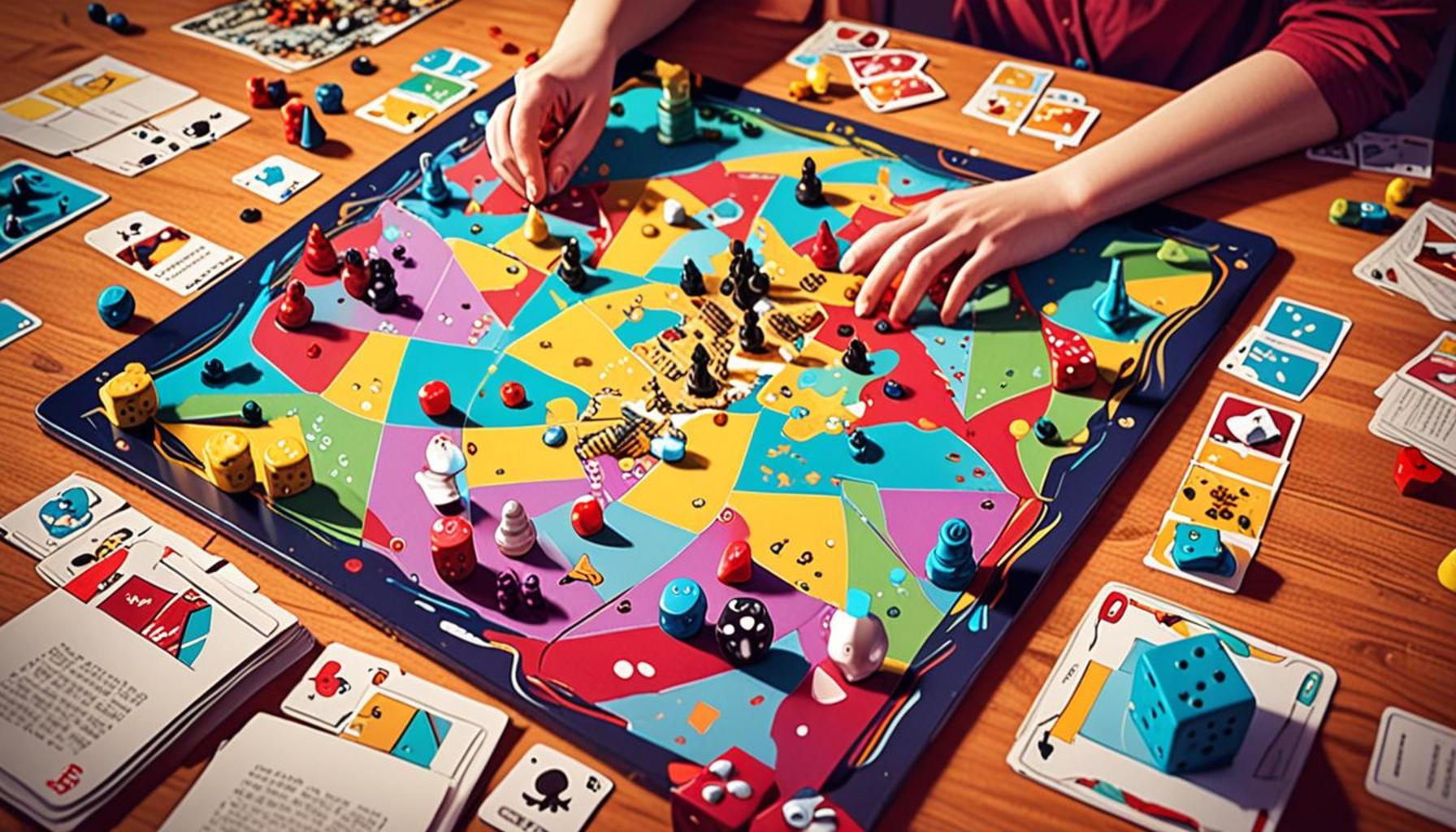
Many board games demand players to immerse themselves in a variety of scenarios that mirror real-life challenges. Through these interactions, players naturally enhance their cognitive abilities. Below are key aspects of how board games improve strategic thinking:
- Problem-Solving: Through logical deduction and analysis of game dynamics, players confront obstacles and brainstorm effective solutions. For example, games like Settlers of Catan require players to determine the best resources to gather while outmaneuvering opponents.
- Decision-Making: Each move in a game can lead to different outcomes, teaching participants to weigh potential risks and rewards. A classic game like Chess exemplifies this, as each player must consider the ramifications of their next move not only on the present state of the board but also on future interactions.
- Teamwork: Many board games are designed for multiple players, necessitating collaboration and communication. Games such as Pandemic or 5-Minute Dungeon require teammates to strategize collectively, enhancing group dynamics and interpersonal skills.
In the Nigerian context, traditional games such as Ludu and Damii offer more than mere entertainment; they serve as rich platforms for teaching strategic acumen. These games, embedded in Nigerian culture, necessitate that players formulate tactics, gauge their opponents’ strategies, and predict future moves, reinforcing the foundational principles of strategic thinking.
As you explore the vast universe of board gaming, you’ll discover options that cater to every preference and skill level. Whether you enjoy cooperative games, where players work against the game itself, or competitive games, where players vie against each other for supremacy, each experience offers unique insights into effective strategic thinking.
Moreover, the growing popularity of board game cafes in Nigerian urban centers signifies a burgeoning community of enthusiasts eager to share knowledge and skills. These spaces not only serve to entertain but also to cultivate a culture of critical thinking and collaboration. Hence, immersing yourself in board games can become a rewarding adventure, one that sharpens your mind while connecting you with others.
YOU MAY ALSO LIKE: Read read another article
Enhancing Cognitive Skills Through Engaging Gameplay
Board games are not just a source of entertainment; they serve as powerful tools for enhancing cognitive skills, particularly those relating to strategic thinking. Players navigate a dynamic environment where every action demands thoughtful consideration and foresight. This unique combination of challenge and fun fosters an environment ideal for developing key skills such as tactical planning, resource management, and analytical thinking.
One of the most effective ways that board games can sharpen these skills is through simulation of real-world scenarios. Take, for instance, the popular game Monopoly. In this classic, players learn to manage resources, engage in negotiation, and devise long-term plans to outmaneuver opponents. These simulations require players to think critically about their decisions and their implications, essentially mimicking economic decisions that people face daily.
The Role of Strategic Planning in Board Games
Strategic planning is the crux of many board games, allowing players to practice setting goals, evaluating options, and executing plans. Games like Ticket to Ride necessitate the development of strategy over time, as players must plan their routes while predicting the moves of their rivals. Each turn presents a critical moment to analyze board positions and adapt strategies accordingly. This specific aspect transcends the game, preparing players for real-life scenarios where plans must be adjusted on the fly.
- Adaptability: Board games often change direction unexpectedly, mirroring the changing landscapes that individuals might encounter in work or personal life. This cultivates a mindset of flexibility.
- Resource Allocation: Strategic games encourage players to think critically about how to use limited resources effectively. Just as in business settings, making the most out of what you have is a vital lesson.
- Long-Term Planning: Many games reward foresight, compelling players to consider the long-term consequences of their actions over immediate rewards. This mirrors the necessity of long-term thinking in professional environments.
In addition to these cognitive benefits, board games also enhance social interactions, which are equally essential for strategic thinking. Players must communicate their intentions, negotiate effectively, and sometimes even form alliances to succeed. The interactivity found in games like Coup emphasizes the importance of reading others, understanding their motivations, and responding to their actions—skills that are just as crucial in business negotiations or team projects.
In Nigeria, where cultural richness and diversity shape interactions, local board games such as Ayo not only entertain but also provide a backdrop for teaching these vital skills. The game requires players to strategize, anticipate opponents’ moves, and execute plans that could change the course of the game in an instant. Such engagements not only promote fun but also foster critical thinking within the context of Nigerian heritage and community.
As you delve further into the world of board games, you will notice that the lessons learned extend well beyond the gaming table. By cultivating strategic thinking skills in a social and enjoyable setting, players ultimately prepare themselves for challenges in the modern world, reinforcing the indispensable nature of both strategy and community in personal and professional development.
Developing Strategic Thinking Skills Through Board Games
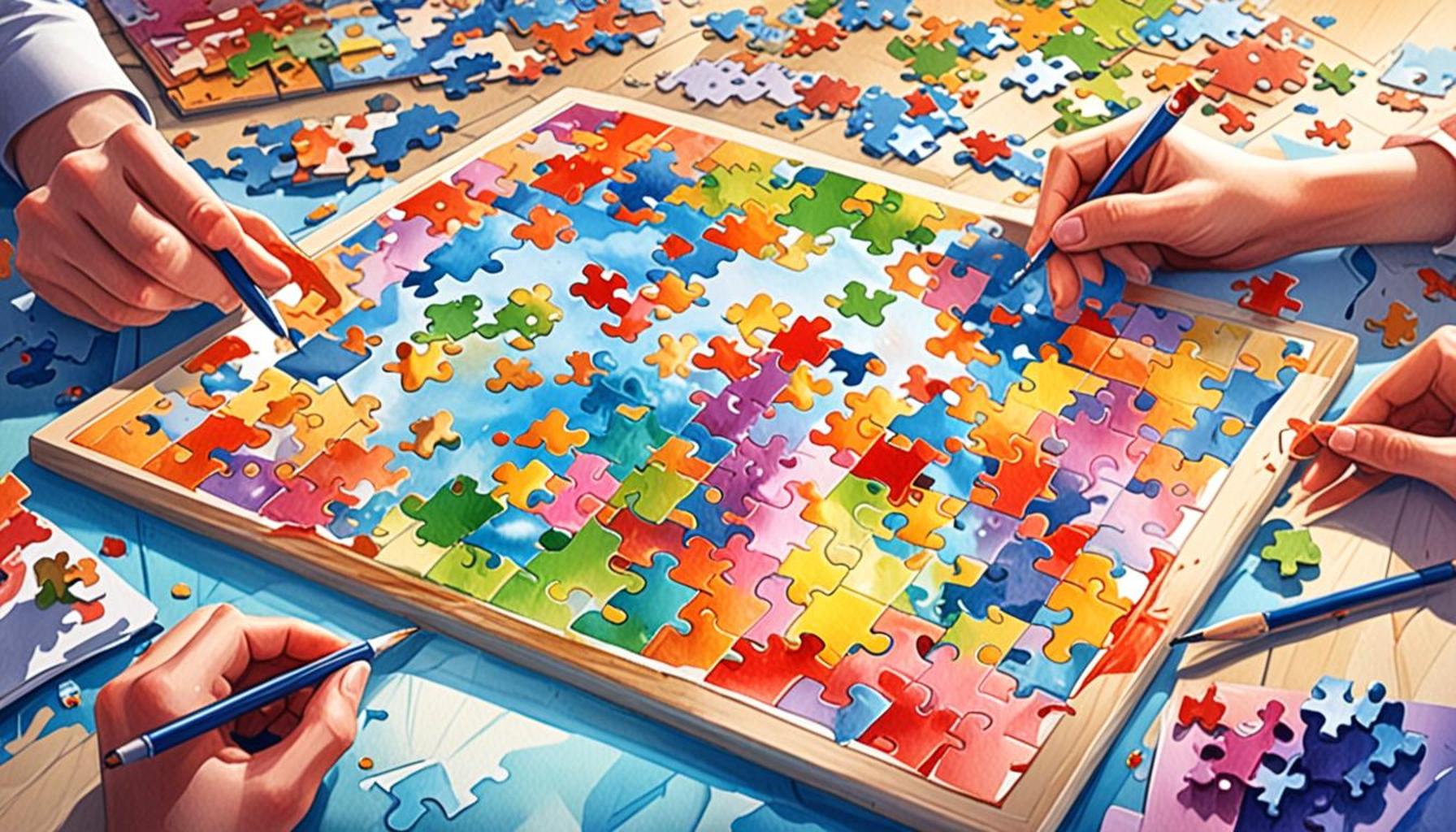
Board games have long been a popular pastime, but their benefits extend far beyond mere entertainment. They can be invaluable tools for developing strategic thinking skills that are essential in various aspects of life. Engaging in board games encourages players to analyze their options, consider potential outcomes, and develop long-term strategies, fostering critical thinking and planning abilities.
| Advantage | Details |
|---|---|
| Improved Problem-Solving Skills | Board games challenge players to confront problems head-on and devise solutions through strategic gameplay. |
| Enhanced Decision-Making | Players must make decisions that influence the course of the game, leading to better judgment in real-life scenarios. |
Furthermore, board games promote social interaction and teamwork, which are crucial for cultivating collaborative strategic thinking. Players often work in groups, which enhances communication and leadership skills. Through play, individuals learn to value diverse perspectives and adapt strategies accordingly, an essential factor in both personal and professional growth.
Overall, the experience of navigating challenges in board games truly provides players with tools that translate effectively into strategic thinking skills applicable in everyday decisions and long-term goals.
ADDITIONAL INSIGHTS: Expand your understanding here
Building Collaborative and Competitive Skills
Beyond enhancing individual cognitive abilities, board games also play a significant role in developing collaborative and competitive skills. The essence of many games lies in the dual dynamic of working with others while also striving to achieve personal goals. This interplay can cultivate a different layer of strategic thinking, essential for both social interactions and professional environments.
Games such as Settlers of Catan highlight the importance of collaboration in a competitive framework. Players must not only build their settlements but also engage with others for resources and trade. This negotiation aspect demands that players develop skills in communication, persuasion, and relationship management. Learning to build alliances while preparing for betrayals prepares individuals for challenges in corporate negotiations and partnerships, effectively mimicking the complexities of workplace dynamics.
A notable benefit of these collaborative gaming scenarios is the increase in emotional intelligence. Players become attuned to the nuances of human behavior, learning what motivates their opponents’ decisions. As individuals navigate alliances, the need for empathy and understanding is critical, transforming the way players approach interpersonal relationships in everyday life. In Nigeria’s diverse cultural landscape, games that incorporate teamwork can bridge gaps between different groups, highlighting the importance of unity and collaboration.
Enhancing Problem-Solving Skills
Board games are inherently grounded in problem-solving, as they create intricate puzzles that players must navigate. This aligns closely with the kinds of challenges encountered in both academic and professional settings. Games like Chess require players to think several steps ahead, evaluating potential moves while simultaneously accounting for their opponent’s strategies. This not only enhances logical reasoning but also reinforces essential problem-solving strategies applied in real-world contexts.
- Critical Analysis: Players learn to assess their options by weighing the pros and cons of various strategies, a skill highly valued in fields like business and management.
- Risk Assessment: Many games incorporate high-stakes decisions where players must analyze risks versus rewards, sharpening their ability to make informed choices under pressure.
- Creative Thinking: Players are often required to think outside the box to navigate complex game dynamics, encouraging a mindset geared towards innovation and creative problem-solving.
Games like Scrabble and Risk further amplify these skills by promoting critical thinking and strategic diversification. In Scrabble, players must not only consider their word placements but also anticipate how those moves impact future opportunities. In Risk, players devise elaborate plans to conquer territories, necessitating a balance between offensive and defensive strategies that can have far-reaching implications.
Moreover, many local Nigerian board games, such as Damii, provide a rich context for understanding strategic play. They encourage players to think critically about their moves and anticipate potential consequences, offering an accessible platform for developing problem-solving skills within a familiar cultural framework. This cultural relevance enhances engagement, motivating players to invest in learning and improvement.
As players immerse themselves in these diverse experiences, the application of strategic thinking skills enhances their capacity to tackle societal issues, collaborative projects, and challenges that arise in their communities. By fostering a growth-oriented mindset through board games, individuals become adept at navigating both competitive and cooperative terrains in their personal and professional lives.
SEE ALSO: Click here to read another article
Conclusion
In an ever-evolving world that demands both collaborative and competitive skills, board games present a unique and effective platform for developing strategic thinking skills. This blend of fun and learning not only enhances individual cognitive abilities but also fosters essential life skills such as problem-solving, emotional intelligence, and critical analysis. Engaging in games like Scrabble, Chess, and traditional Nigerian games like Damii invites players to navigate complex strategies that mirror real-life challenges. The necessity to anticipate opponents’ moves, assess risks, and think creatively equips players for both personal and professional environments.
Moreover, the collaborative elements woven into many board games create opportunities for players to build connections and understand diverse perspectives, particularly within Nigeria’s rich cultural landscape. Such interactions not only strengthen personal relationships but also empower players to approach societal issues with heightened empathy and collaboration. As players invest time in strategically maneuvering their gameplay, they inevitably enhance their capacity to tackle challenges in their communities and workplaces.
Ultimately, adopting board games as a tool for developing strategic thinking opens a doorway to lifelong learning, instilling skills that transcend the game board and positively impact various aspects of life. As both individuals and communities engage with these games, they lay a foundation for enhanced critical thinking and innovation that will serve them in an increasingly complex world. The journey toward mastering strategic thinking through board games not only entertains but also educates, preparing players for success in whatever paths they choose.