Developing Problem-Solving Skills Through Classic Board Games
Unlocking New Dimensions of Critical Thinking
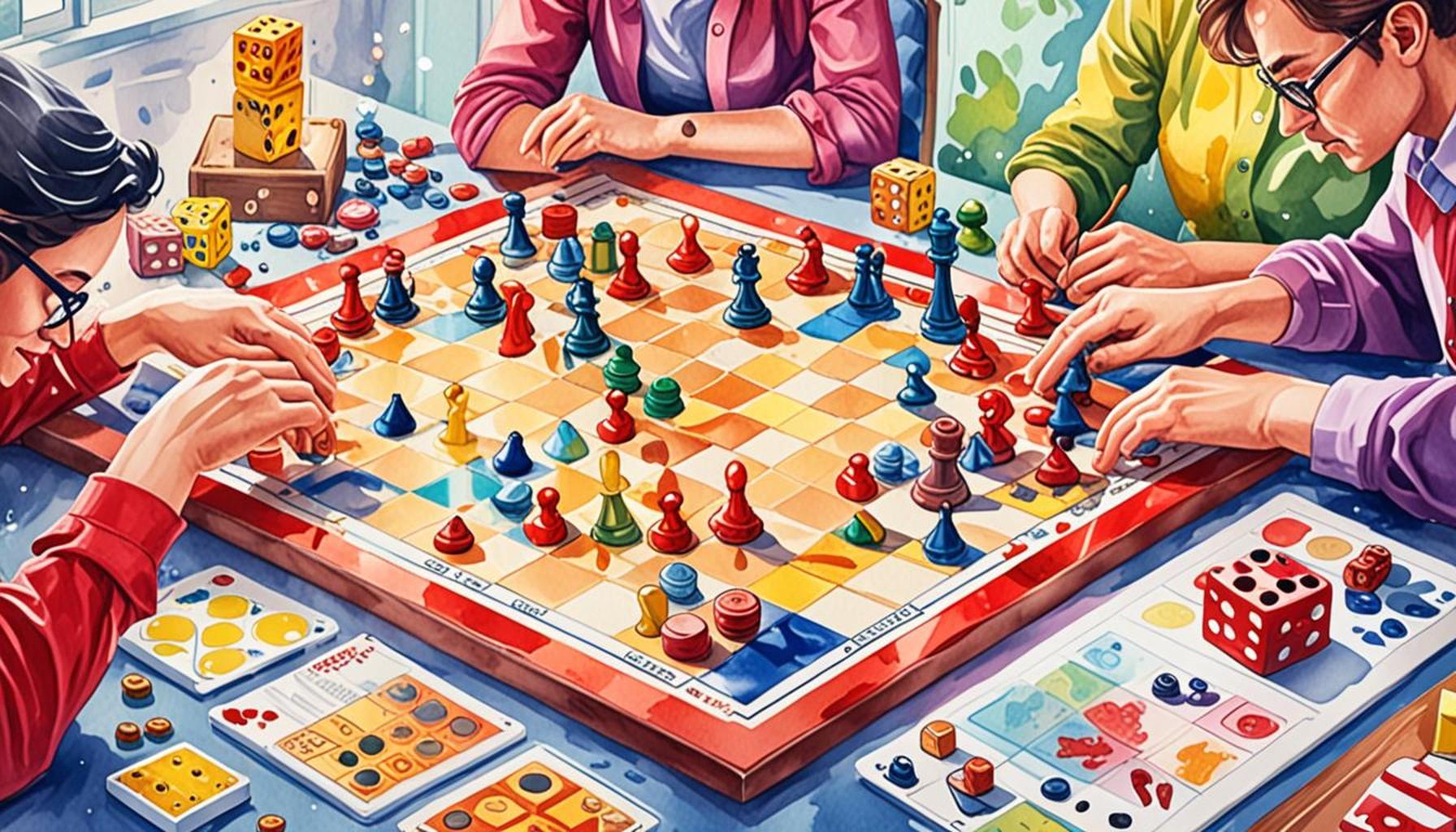
Engaging with classic board games is more than just a pastime; it’s a gateway to enhancing problem-solving skills. These games challenge players to think strategically, make decisions, and navigate through complex scenarios. In Nigeria, where social interactions are highly valued, playing board games can foster both learning and fun. Many families gather around the table, creating an atmosphere filled with laughter, concentration, and friendly competition. This shared experience invariably strengthens bonds among family members and friends.
The Benefits of Classic Board Games
Players of all ages can reap significant mental benefits from classic board games. Here are some key reasons why classic board games are ideal for developing critical thinking:
- Strategic Thinking: Games like Chess and Checkers require players to anticipate their opponent’s moves, making quick decisions under pressure. For instance, a game of Chess can easily take a turn based on a single misplaced piece, urging players to analyze various outcomes before making their move.
- Teamwork: Collaborative games, such as Ludo, encourage communication and shared problem-solving. When played in groups, individuals must strategize collectively to overcome their opponents, thus fostering a sense of camaraderie and collective planning.
- Memory Enhancement: Many board games rely on recalling rules and previous actions, boosting cognitive retention. Games like Scrabble challenge players to remember words, while others like Monopoly teach players the importance of managing resources efficiently.
These kinds of intellectual exercises are crucial in today’s fast-paced world. Besides improving logic and reasoning, playing board games can also help strengthen interpersonal connections among friends and family. The vibrant local scene in Nigeria showcases a rich variety of board games, from internationally-known classics to indigenous games that reflect cultural heritage, offering countless options for exploration. For instance, games like Ayo (a traditional Nigerian game) not only test players’ strategic skills but also connect them to their cultural roots.
Deepening Engagement through Tradition
Moreover, classic board games often come with a cultural twist that resonates with local traditions. For instance, Ayo is not just a game; it is an avenue for storytelling and cultural exchange, as players often engage in discussions about history and heritage while playing. These elements can make the learning process even more enjoyable and effective. By incorporating board games into regular activities, you’ll not only sharpen your mind but also create lasting memories.
In addition, schools and community centers in Nigeria are increasingly recognizing the educational potential of board games, integrating them into their curriculums to promote teamwork, collective problem-solving, and healthy competition among students. This initiative extends beyond mere entertainment, fostering critical thinking in students who will one day become decision-makers in society.

Thus, the impact of classic board games stretches far beyond the confines of the game board, offering valuable opportunities for personal growth, cultural connection, and community engagement. It is now more vital than ever to embrace these activities in our daily lives, allowing both young and old to enrich their cognitive abilities while enjoying each other’s company.
ADDITIONAL INSIGHTS: Expand your understanding here
Unleashing Creativity and Logic Through Play
Classic board games serve as a formidable platform for enhancing problem-solving skills, as they require players to think creatively while employing logical reasoning. Each game comes with its unique set of challenges, promoting mental agility by pushing players to devise winning strategies. In Nigeria, where diverse cultures intertwine, these games provide an opportunity for people to engage in a battle of wits and showcase their intellectual prowess, all while having fun.
Analyzing Patterns and Outcomes
At the heart of many classic board games, such as Monopoly and Othello, lies the concept of pattern recognition. Players must assess their surroundings, predict moves, and decipher potential outcomes, making decisions based on incomplete information. The ability to analyze patterns also helps players develop critical thinking skills, as they learn to associate specific strategies with successful or unsuccessful results. Over time, these mental exercises translate into better performance in real-world problem-solving situations. Here are some ways board games cultivate these essential skills:
- Critical Decision-Making: Games like Settlers of Catan require players to make calculated decisions regarding resource allocation, trade, and settlement placement. Each choice can influence the overall outcome, teaching players the relevance of thorough decision-making.
- Adaptability: Players often find that the game’s dynamics shift unexpectedly due to opponents’ strategies. This variance encourages adaptability, as players must modify their tactics in response to unforeseen challenges, much like navigating life’s unpredictability.
- Risk Assessment: Games such as Risk challenge players to evaluate potential threats while weighing the benefits of bold moves. This skill can be directly applied to various life scenarios, from business decisions to personal relationships.
The interactive nature of board games adds another layer of cognitive development. As players engage with others, they not only challenge their minds but also their social faculties. Children, in particular, can significantly benefit from these interactions. In a society where community and familial ties are paramount, classic board games present a medium for learning essential life skills, such as negotiation and cooperation, which are critical in both personal and professional domains.
Bridging Generational Gaps
Playing board games can also bridge generational gaps within families. Older generations can impart wisdom and strategic insights to younger players, fostering relationships rooted in shared experiences. During such interactions, families can bond over lively discussions, laughter, and much-needed life lessons, reinforcing values that extend far beyond the game itself.
The rise of modern adaptations of traditional games has further enriched this experience, introducing innovative twists that keep the essence of critical thinking intact. Games like Pandemic not only push players to strategize but also highlight the importance of teamwork and collective problem-solving, skills that are invaluable in today’s interconnected world.
As we explore the realm of classic board games, we discover a multifaceted approach to developing problem-solving skills while embracing creativity, social engagement, and cultural significance. By investing time in these games, individuals from all walks of life can enhance their cognitive abilities, ensuring they are better prepared to tackle life’s challenges head-on.
| Advantages | Description |
|---|---|
| Enhanced Critical Thinking | Classic board games require players to analyze situations, evaluate options, and make informed decisions, bolstering their critical thinking skills. |
| Improved Strategic Planning | Games like Chess and Settlers of Catan involve strategic long-term planning, teaching players how to foresee consequences and develop winning strategies. |
| Collaboration and Teamwork | Many board games are designed for multiple players, fostering collaboration and teamwork, which is essential for navigating complex problem-solving scenarios in life. |
| Resilience and Adaptability | Players often face unexpected outcomes, learning to build resilience and adaptability, which are crucial skills in real-world problem-solving. |
Classic board games serve as more than just entertainment; they provide a unique platform for developing essential problem-solving skills. Through engaging in these games, individuals can not only have fun but also enhance their cognitive abilities, preparing them for real-life challenges. Exploring the depths of strategy and critical thinking within these games invites players to immerse themselves in a world where every move matters, ultimately prompting an interest in honing these vital skills.
YOU MAY ALSO LIKE: Read read another article
Cultivating Emotional Intelligence and Interpersonal Skills
While classic board games are lauded for enhancing cognitive problem-solving abilities, their contribution to emotional intelligence and interpersonal skills is equally crucial. In a country like Nigeria, where social interactions play a vital role in daily life, engaging in board games can foster deeper connections among players, help develop empathy, and improve conflict resolution. As players navigate victories and defeats in the game, they simultaneously learn to manage their emotions and understand the emotional responses of others.
Empathy Through Competition
The experience of competing against friends or family allows individuals to practice empathy. Understanding that opponents may feel frustration or joy during gameplay can lead to a heightened sense of emotional awareness. In games like Chess or Scrabble, where strategy and patience are essential, players often find themselves connecting with their opponents on a personal level as they witness their reactions unfold. This can be particularly impactful in Nigerian culture, where communal activities are cherished.
The game of Ludo, for instance, is a popular family game among Nigerians that evokes feelings of nostalgia and togetherness. Playing Ludo encourages family members to express emotions openly—joy in winning, disappointment in loss, or frustration over blocked paths. These moments help players learn to navigate their emotional landscape and build strong relationships, resulting in enhanced emotional intelligence that can be applied beyond the game to everyday interactions.
Negotiation and Conflict Resolution
Board games also serve as a fertile ground for practicing negotiation and conflict resolution skills. In games like Monopoly, players must negotiate trades and settlements to achieve their objectives. These experiences can imitate real-life scenarios where making deals or resolving disagreements is necessary. As players navigate the complexities of a game, they hone their ability to communicate effectively, persuade others, and reach mutually beneficial solutions.
In a variety of contexts—from workplace negotiations to personal relationships—these skills are invaluable. For example, in a Nigerian marketplace, striking a fair deal often relies on negotiation tactics, and the practice gained through board games equips individuals to handle similar situations successfully.
Encouraging Teamwork and Cooperation
Team-oriented board games like *The Resistance* or *Forbidden Island* promote collaboration and teamwork. The essence of these games lies in players coming together to achieve a common goal, culminating in a perfect blend of competition and camaraderie. Learning to work as a cohesive unit fosters trust and promotes the understanding that collective problem-solving typically yields better results than individual efforts.
These experiences resonate deeply within Nigerian society, where teamwork and collaboration are central to achieving goals, whether in sports, business, or community projects. Playing such games reinforces the idea that success often hinges on the ability to work effectively with others, further solidifying the communal bonds that are integral to the culture.
As players delve into the world of classic board games, they inadvertently sharpen more than just their cognitive problem-solving skills. They enhance their emotional intelligence, improve their negotiation skills, and cultivate teamwork—all of which are essential in navigating the complexities of modern life in Nigeria.
RECOMMENDED: Check out this similar article
Conclusion: Unleashing Potential Through Play
In conclusion, the influence of classic board games on developing problem-solving skills extends far beyond mere entertainment. As we have explored, these games offer a rich tapestry of cognitive challenges, emotional exchanges, and social interactions, all of which play a pivotal role in shaping essential life skills. From fostering empathy and negotiation abilities to enhancing teamwork, board games provide a unique platform for individuals to refine skills that are invaluable in both personal and professional arenas.
In a culturally vibrant country like Nigeria, where connections and collaborations are integral to societal harmony, the lessons learned through board gaming can have profound implications. Games such as Ludo and Monopoly not only bring families together but also enrich participants with the tools to approach real-life situations with a balanced mindset. Whether it’s negotiating a deal in a busy market or navigating complex interpersonal dynamics, the strategies honed during gameplay serve to equip individuals with confidence and clarity.
As the world continues to evolve, so too do the demands placed on our problem-solving abilities. Classic board games stand as a timeless method through which we can cultivate these capabilities while creating lasting memories and connections. By prioritizing time spent around the game table, we can nurture a generation steeped in resilience, empathy, and collaboration—a vital investment in the future of our communities.