How Music and Puzzle Games Can Boost Memory in Elderly People in Nigeria
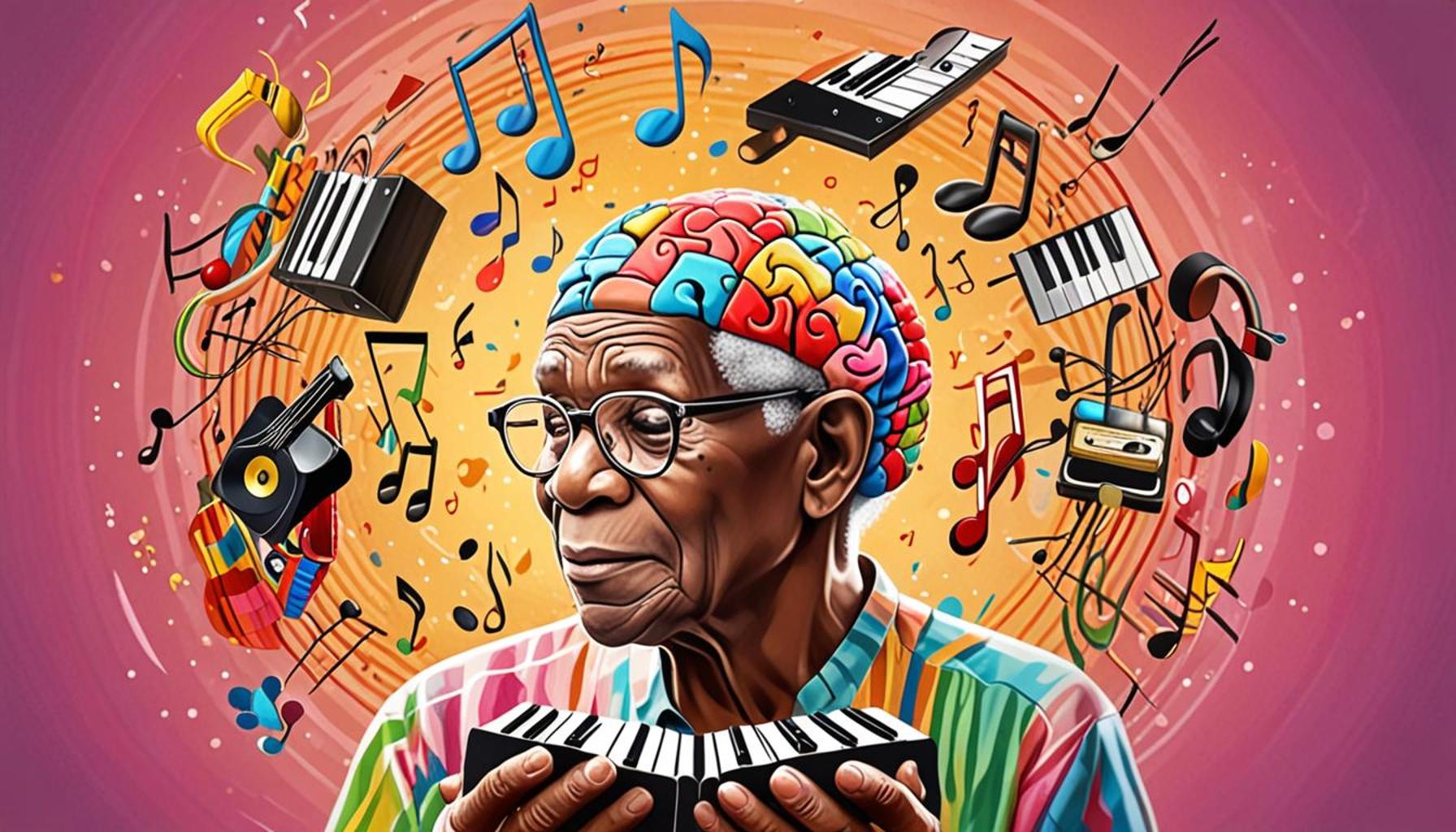
Boosting Memory in the Elderly Through Engaging Activities
As we advance in age, the concern of memory decline often looms larger, especially within the elderly population in Nigeria. However, recent studies reveal promising opportunities to combat this issue. Engaging in stimulating activities such as music and puzzle games has proven to play a vital role in enhancing cognitive functions, ultimately helping seniors maintain their mental sharpness.
These activities serve not only as sources of entertainment but also as valuable tools for promoting mental agility. Let’s delve deeper into how these engaging practices can aid in memory retention:
- Music therapy: The power of music to evoke memories is profound. Listening to familiar tunes often triggers long-buried memories and positive emotions. For instance, traditional Nigerian songs can remind elderly individuals of their youth, forging connections to important life events. Studies show that just a few minutes of listening to favorite songs can boost mood and enhance memory recall.
- Puzzles: Engaging in activities such as crossword puzzles or Sudoku requires critical thinking and boosts problem-solving skills. These games challenge the brain to think critically and logically, honing memory capabilities. By making puzzle-solving a daily routine, individuals can improve their cognitive functions while having fun. Accessible and user-friendly puzzle apps available for smartphones also ensure that elderly individuals can easily engage with these activities, regardless of their physical capabilities.
- Social interaction: Both music and games provide crucial opportunities for social engagement, which is vital for emotional well-being. Participating in group activities, such as singing sessions or puzzle competitions, can foster connections among seniors. In many Nigerian communities, group gatherings around these activities can enhance social bonds, thereby reducing feelings of loneliness and depression.
In Nigeria, where traditional music is often celebrated and forms a core part of community life, combining these elements with daily routines can have profound benefits. Traditional dances and sing-alongs not only invigorate the spirit but also stimulate the brain. Moreover, with the growth of smartphone usage, puzzle games are easier to access than ever before, making it convenient for elderly individuals to engage with them from home.
Incorporating music and puzzle games into the lifestyles of elderly Nigerians can be a game-changer in combating memory loss and promoting overall mental health. Simple steps like organizing music nights or puzzle clubs can enliven community centers and encourage active participation. With community awareness and the embracing of these engaging activities, we can unlock new avenues for cognitive health in our elderly population, enhancing their quality of life significantly.
CHECK OUT: Click here to explore more

The Cognitive Benefits of Music in Strengthening Memory
Research shows that music can significantly enhance memory recall among the elderly population. In Nigeria, where rich musical traditions abound—from highlife to juju and afrobeat—seniors can find connections to their past through melodies infused with cultural significance. Studies indicate that listening to music, especially familiar tunes, can stimulate the brain’s neural pathways, making it easier to retrieve memories. This phenomenon is often attributed to music’s ability to evoke emotions and memories that were previously dormant.
Music therapy programs tailored for seniors have emerged across various communities in Nigeria, helping elderly individuals reconnect with their past. For example, community centers organize weekly singing sessions featuring popular Nigerian songs, allowing seniors to relive joyful moments associated with those melodies. The transformative power of music is not limited to personal enjoyment; it fosters emotional well-being, which is critical in fighting memory decline. The process of singing and enjoying music collectively also enhances social bonds, enriching the lives of participants.
Puzzle Games: A Fun Approach to Mental Stimulation
Incorporating puzzle games into the daily routines of elderly individuals can also yield significant cognitive benefits. Games such as crossword puzzles, Sudoku, and word searches challenge the mind and encourage critical thinking. These activities are not only entertaining but also inherently beneficial for mental agility, as they require participants to remember facts and develop strategies to complete tasks.
The accessibility of smartphone applications has transformed how seniors can approach puzzle games. Many apps offer easy-to-navigate interfaces, and the option to play alone or compete with others adds a social dimension to these games. In Nigeria, puzzle competitions can be held in community centers, creating opportunities for both mental engagement and social interactions. Such events not only stimulate brain function but also foster camaraderie among participants, contributing to an overall sense of community.
- Cognitive Challenges: Regular engagement in puzzle games challenges the brain, which is crucial for maintaining memory.
- Problem Solving: Puzzles encourage critical thinking and problem-solving skills that help keep the mind active.
- Accessibility: Easy access to digital puzzle games ensures that elderly individuals can participate regardless of their physical capabilities.
Utilizing puzzle games as a part of memory-boosting strategies provides an enjoyable way for seniors to stay mentally active in Nigeria’s diverse and socially engaging environment. By integrating music and puzzles into everyday life, we can harness their potential to not only boost memory but also enhance the quality of life for elderly individuals across the country.
| Category | Description |
|---|---|
| Cognitive Stimulation | Engagement with music and puzzles leads to enhanced brain activity, helping to keep memory functioning. |
| Social Interaction | Participating in group music sessions or puzzle competitions fosters connections, reducing feelings of isolation among the elderly. |
| Emotional Wellbeing | Music can trigger memories and emotions, contributing to an overall improved quality of life for older adults. |
| Memory Retention Techniques | Puzzle games use strategic thinking and problem-solving skills, which are key in enhancing memory retention and cognitive function. |
In Nigeria, the rich tradition of music intertwined with modern technology, such as mobile applications dedicated to music and puzzles, serves as a bridge connecting the elderly to both their cultural roots and cognitive improvement. By integrating these activities into their daily lives, seniors can harness the cognitive and emotional benefits that come with such engagement, potentially leading to a healthier, more fulfilling lifestyle. Through the use of music therapy and ongoing access to brain-training games, elderly individuals have the opportunity to challenge their memory and creativity, redefining aging in a positive light. Additionally, studies show that the fusion of social interaction with these activities can significantly mitigate feelings of loneliness, thus fostering a sense of belonging and purpose. The synergy of music and puzzles not only nurtures an elderly person’s mind but also celebrates their existence, paving the way for a more connected and vibrant community among Nigeria’s senior population.
RECOMMENDED: Check out this similar article
The Synergistic Effects of Music and Puzzle Games on Memory Enhancement
The integration of music and puzzle games offers a unique and powerful approach to enhancing memory among the elderly population in Nigeria. By combining these two engaging activities, seniors can experience a multifaceted boost in cognitive abilities, making it an effective solution for combating memory decline.
One vital aspect of this synergy lies in the simultaneous stimulation of different brain regions. Music activates emotional responses and reminiscing, while puzzle games engage critical thinking and memory recall. This dual engagement promotes neuroplasticity—the brain’s ability to reorganize itself by forming new neural connections. In practice, when elderly individuals listen to a familiar song while working on a challenging puzzle, they may find that their memory is not only improved for the task at hand but also for other facets of their lives.
- Memory Recall: Studies have shown that elderly participants who listen to music while solving puzzles tend to remember details better than those who solely engage in puzzles. The interplay of sound and task completion creates a unique window for memory retrieval.
- Enhanced Mood: Music is known for its uplifting qualities. When seniors engage in puzzles while listening to their favorite tunes, it enhances their mood, thereby reducing stress and anxiety. This positive emotional state can further improve cognitive performance.
- Group Engagement: Community activities that combine music and puzzle-solving foster social interactions, enhancing both memory and well-being. Nigeria’s rich culture encourages communal participation, making these activities more enjoyable and impactful.
In various Nigerian communities, innovative programs are being developed that bring together the therapeutic benefits of music and the challenging allure of puzzle games. For example, some NGOs organize weekly “Music and Puzzle Nights,” where elderly participants enjoy traditional folk songs while solving crosswords or engaging in board games. These events not only provide mental engagement but also create a vibrant social atmosphere, encouraging seniors to build relationships and combat social isolation.
The role of intergenerational engagement cannot be overlooked either. Younger family members can join their elderly relatives in these activities, enhancing family bonding and providing additional support. Such interactions can lead to meaningful exchanges, where stories and songs from the past are shared, allowing younger generations to appreciate their cultural heritage while actively aiding their elders in memory recall.
Cross-research between psychology and neuroscience continues to reveal more about the potent combination of music and cognitive games in promoting elderly memory health. For instance, researchers from Nigerian institutions are exploring how traditional rhythm and music can be strategically aligned with specific types of cognitive tasks to maximize effectiveness. As communities adapt and increase accessibility to these dual activities, the potential for enhanced quality of life for seniors becomes increasingly apparent.
In essence, as Nigeria embraces this innovative approach, the future holds promise for improved memory retention and overall cognitive health in the elderly population, making music and puzzle games a compelling combination for societal advancement and individual enrichment.
RECOMMENDED: Check out this similar article
Embracing Music and Puzzle Games for Cognitive Resilience
In conclusion, the combination of music and puzzle games serves as a transformative tool for boost memory retention and cognitive well-being among the elderly population in Nigeria. Through stimulating emotional responses and engaging critical thinking, this dynamic duo harnesses the brain’s innate ability to adapt and grow, offering a multifaceted approach to combatting memory decline.
The insights gathered from various community initiatives and intergenerational interactions highlight the profound impact of these activities on improving not only mental acuity but also social engagement. As sectors like healthcare and education increasingly recognize the benefits of integrating art and playful engagement into cognitive health strategies, the potential for widespread implementation grows. Programs such as “Music and Puzzle Nights” illustrate how community-driven efforts can enhance both individual lives and collective experiences, nurturing bonds that transcend age barriers.
Furthermore, the integration of local music and culturally relevant puzzles adds a layer of significance, making these activities not just therapeutic but also deeply connected to Nigeria’s rich heritage. The ongoing research into this intersection of psychology and neuroscience promises to unveil even more tailored methods to amplify cognitive benefits, reinforcing the cultural and emotional ties that strengthen memory recall.
As we look to the future, embracing the marriage of music and cognitive exercises may not only enrich the lives of our elderly population but also pave the way for healthier aging in Nigeria. By fostering creativity, community spirit, and cognitive engagement, we create pathways for a fulfilling and enriched life in the golden years.