Developing Memory Game Applications with a Focus on Nigerian Culture: Integration of Traditions and Technology
Understanding the Importance of Cultural Heritage in Gaming
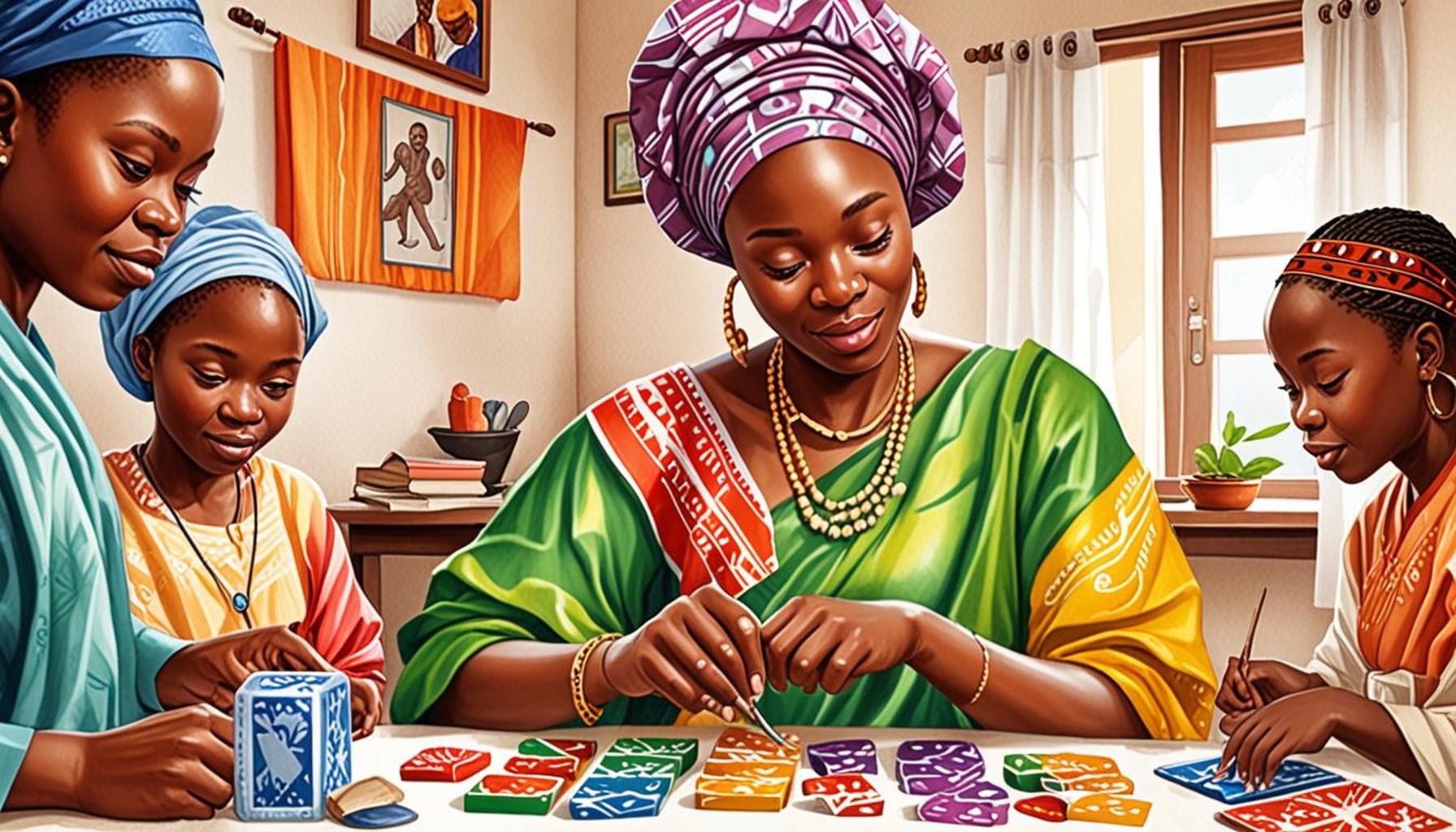
In an increasingly interconnected world, the fusion of technology with culture creates a compelling narrative, particularly for nations rich in tradition like Nigeria. The emergence of memory games that celebrate Nigerian culture highlights how digital platforms can both educate and entertain users, shedding light on the country’s diverse legacy. These applications often blend local values with innovative gaming mechanics, making them invaluable educational tools.
Cultural Elements that Enrich Gameplay
One of the most effective strategies for developers is the incorporation of local languages into their applications. By enabling users to interact in dialects such as Yoruba, Igbo, or Hausa, developers create a more immersive experience that fosters deeper emotional connections. For instance, a memory game featuring traditional proverbs translated into these languages can enhance players’ appreciation for their linguistic heritage.
Additionally, the inclusion of cultural symbols—such as the Adinkra symbols of the Akan people or the vibrant patterns of kente cloth—helps root the game in recognizable imagery. Each symbol can serve as a memory card, presenting players with not only a challenge but also a teaching moment about what these symbols represent, including values like wisdom or strength.
Furthermore, integrating storytelling elements is another way to engage players. Memory games can incorporate famous folklore that narrates the exploits of historical figures or fantastic creatures such as the tortoise from numerous folk tales. By connecting gameplay with these stories, players gain insights into moral lessons and cultural beliefs that have been passed down through generations.
The Benefits of Memory Games
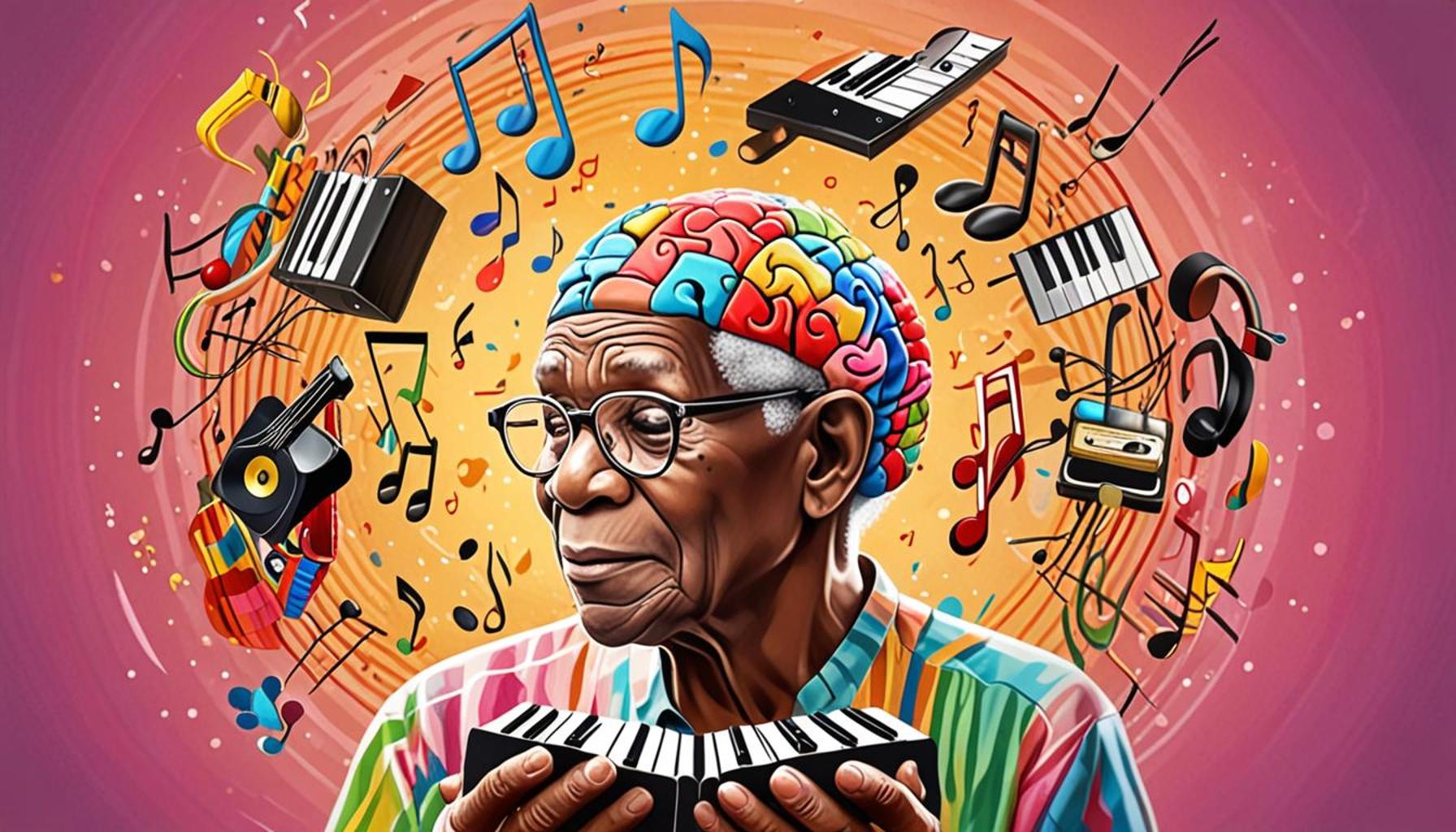
Beyond entertainment, memory games play a significant role in cognitive development, especially for younger audiences. They help to improve memory skills by enhancing players’ ability to recall information and recognize patterns. Regular interaction can sharpen mental agility, making it easier for children to excel in academic settings.
Moreover, these games serve as a valuable tool for cultural education, allowing users to learn about Nigeria’s cultural history in an engaging way. Through gameplay, players can explore the significance of various traditions, rituals, and celebrations, fostering awareness and appreciation of their own roots.
Finally, by appealing to the younger generation, memory games can effectively engage younger generations and instill a sense of cultural pride. As technology becomes more prevalent among youth, these games can act as a bridge, connecting them with their heritage and ensuring that the richness of Nigerian culture is not lost or forgotten.
The Future of Cultural Gaming
As developers and content creators continue to explore the uncharted territories of cultural gaming, the opportunities for growth are boundless. By prioritizing indigenous elements, memory games can evolve from mere pastimes into vital educational resources, keeping Nigeria’s vibrant heritage alive in the hearts and minds of both current and future generations.
SEE ALSO: Click here to read another article
Infusing Traditional Values into Game Design
The development of memory game applications that emphasize Nigerian culture begins with a deep understanding of the traditional values and historical contexts that shape the nation. As developers embark on this journey, they discover that each game has the potential to transcend mere entertainment and become a medium of cultural storytelling. By carefully selecting themes, symbols, and narratives, creators can construct a vivid tapestry of Nigerian heritage that resonates with players.
Leveraging Local Folklore and History
Folklore forms the backbone of Nigerian culture, teeming with rich tales of bravery, wisdom, and morality. Incorporating these narratives into memory games not only captivates players but also reinforces cultural identity. Developers can curate game content based on popular stories such as the exploits of the legendary hero, Obatala, or the cunning tortoise character that features in numerous moral tales. By integrating these stories within the game mechanics, players embark on a journey through history, exploring lessons that remain pertinent today.
Crafting Engaging Game Mechanics
The mechanics of a memory game can be tailored to enhance cultural appreciation. For example, developers can design levels that highlight significant Nigerian festivals, such as the Eid el-Fitr celebrations or the Osun-Osogbo Festival. By establishing challenges based upon traditional activities—such as gathering festival items or matching symbolic artifacts—players not only enjoy the gaming experience but also learn about the significance of each event.
- Cultural Artifacts: Players could collect items like traditional masks or musical instruments, each accompanied by an informative description.
- Mini-Games: Incorporating short tests where players answer questions about Nigerian history can add depth and engagement.
- Visual and Auditory Cues: Using local music or vibrant artwork can stimulate emotional responses and connect players to cultural roots.
As developers innovate with gameplay, it becomes paramount to foster an atmosphere of collaboration and community. Involving local artists, storytellers, and cultural historians in the development process serves to ensure authenticity and promote awareness about Nigeria’s diverse heritage. By marrying the modern capabilities of technology with the age-old wisdom embedded in these traditions, memory game applications can emerge as tools of both engagement and education.
Creating Partnerships and Collaborations
The journey of developing memory games that integrate Nigerian culture is not one that should be traversed alone. Engaging with various stakeholders, such as educators, community leaders, and cultural organizations, can enhance a game’s credibility and reach. For instance, partnerships with schools can help in presenting these games as supplementary educational tools, while collaborations with local artisans can inspire unique visual styles that represent authentic Nigerian artistry.
Ultimately, the combination of technology with tradition opens a new frontier for cultural gaming within Nigeria. By thoughtfully embedding local elements into game design, developers not only create captivating experiences but also take significant strides toward preserving cultural heritage, ensuring that future generations will continue to learn from the past while enjoying the interactive phenomenons of today.
Exploring Key Advantages of Memory Game Applications
Memory game applications that integrate Nigerian culture present a unique avenue for engaging audiences while preserving rich traditions. By merging traditional elements with modern technology, developers can tap into a diverse market, promoting cultural awareness and educational value.
| Cultural Integration | User Engagement |
|---|---|
| Utilizes Nigerian Folklore and traditions | Increases interest and retention among players |
| Encourages cultural education | Fosters community spirit through shared experiences |
These applications not only serve as entertainment but also as tools for cultural preservation, sparking curiosity about local traditions and histories. Developers have the opportunity to create stories that resonate deeply with both local and international audiences, encouraging cultural exchange and understanding.
Moreover, the interactive nature of memory games can enhance cognitive skills among players, making them not just enjoyable but also beneficial for mental development. By incorporating elements from Nigeria’s diverse heritage, these applications carve a niche that is both unique and culturally significant.
SEE ALSO: Click here to read another article
Embracing Digital Storytelling Through Interactive Platforms
The integration of technology in memory game applications not only serves to engage users but also provides an immersive experience that connects players with Nigerian culture on a deeper level. By embracing digital storytelling, developers can transform conventional memory games into interactive, multi-sensory experiences that bring rich narratives and cultural themes to life.
Utilizing Multimedia Elements
One of the most effective ways to enrich memory games is through the use of multimedia elements. These can include animated visuals, sound effects, and background music that are quintessentially Nigerian. For instance, animations depicting scenes from traditional folklore, accompanied by the sound of local drums or the refreshing sound of talking drums, can evoke a sense of place and belonging, enhancing the player’s connection to the context of the game.
Moreover, incorporating voiceovers or narration in local dialects can broaden accessibility and deepen engagement. Imagine a memory game where the wise tales of African proverbs are narrated in Igbo or Yoruba, requiring players to match the proverb with its moral lesson. This not only enriches the gameplay but also fosters an appreciation for regional languages.
Incorporating Real-World Challenges
A remarkable aspect of developing a memory game based on Nigerian culture is the opportunity to incorporate elements of real-world challenges that highlight social issues. For instance, a game could present players with scenarios related to environmental conservation while educating them on the impacts of deforestation in the Nigerian rainforest. By completing tasks or solving problems related to cultural preservation, players develop a greater understanding of the challenges facing their communities.
- Resource Management Challenges: Players manage resources while exploring rural landscapes, symbolically representing the balance between tradition and modernity.
- Interactive Community Quests: Create missions where players can engage with community events, promoting real-life cultural practices such as traditional dances or food fairs.
Gamification and Reward Systems
To further enhance engagement, developers can implement gamification techniques that reward players not only for their performance but also for their cultural knowledge. Reward systems can be structured around in-game achievements—such as earning points for matching items related to Nigerian heritage or unlocking special features when players complete culturally-themed challenges.
These rewards could include personalized avatars that users can dress in traditional attire or unlockable historical tidbits that dive deeper into Nigerian culture. Players may find joy in earning badges that signify their expertise in local dialects or traditional practices, inviting a healthy sense of competition and collective learning within the game’s community.
Promoting Interactivity Across Platforms
With the rise of mobile technology, it is essential for memory games to be accessible across various platforms. Integrating cross-platform capabilities allows players to interact with each other, strategizing or sharing experiences through social media or in-game forums. This interactivity can forge connections not just among players within Nigeria but across the African diaspora, fostering a sense of global community rooted in shared cultural experiences.
As developers continue to innovate and explore the integration of technology into memory game applications, a wealth of opportunities arises. By weaving together the threads of tradition, technology, and community collaboration, these games can serve as dynamic vehicles for cultural education, allowing players to not only enjoy a game but also to embrace and celebrate the vibrant tapestry of Nigerian heritage.
YOU MAY ALSO LIKE: Read read another article
Conclusion: Bridging Heritage and Innovation
The journey of developing memory game applications centered on Nigerian culture presents a unique intersection between tradition and technology. As developers harness the power of digital storytelling and integrate multimedia elements, they create an engaging platform that goes beyond mere entertainment. These applications not only challenge players’ cognitive abilities but also deepen their connection to cultural narratives and proverbs that have been passed down through generations.
Moreover, the incorporation of real-world challenges encourages players to confront pressing social issues, fostering a sense of responsibility and awareness about their environment and cultural preservation. By gamifying these experiences, developers position cultural education as an exciting and interactive endeavor, bridging generations through shared knowledge and competition. This dynamic approach not only cultivates a sense of community among users but also empowers them to take pride in their heritage.
As technology continues to evolve, the potential to recreate and celebrate Nigeria’s vibrant culture through memory games is limitless. The advent of cross-platform capabilities allows for widespread accessibility, inviting a diverse audience to partake in this cultural exploration, both within Nigeria and among the diasporic community worldwide. Ultimately, memory game applications rooted in tradition can serve as vital tools for cultural engagement, ensuring that the rich stories and lessons of the past remain alive in the hearts and minds of future generations.