
The Effectiveness of Memory Games in the Classroom: Enhancing Learning Among Nigerian Students
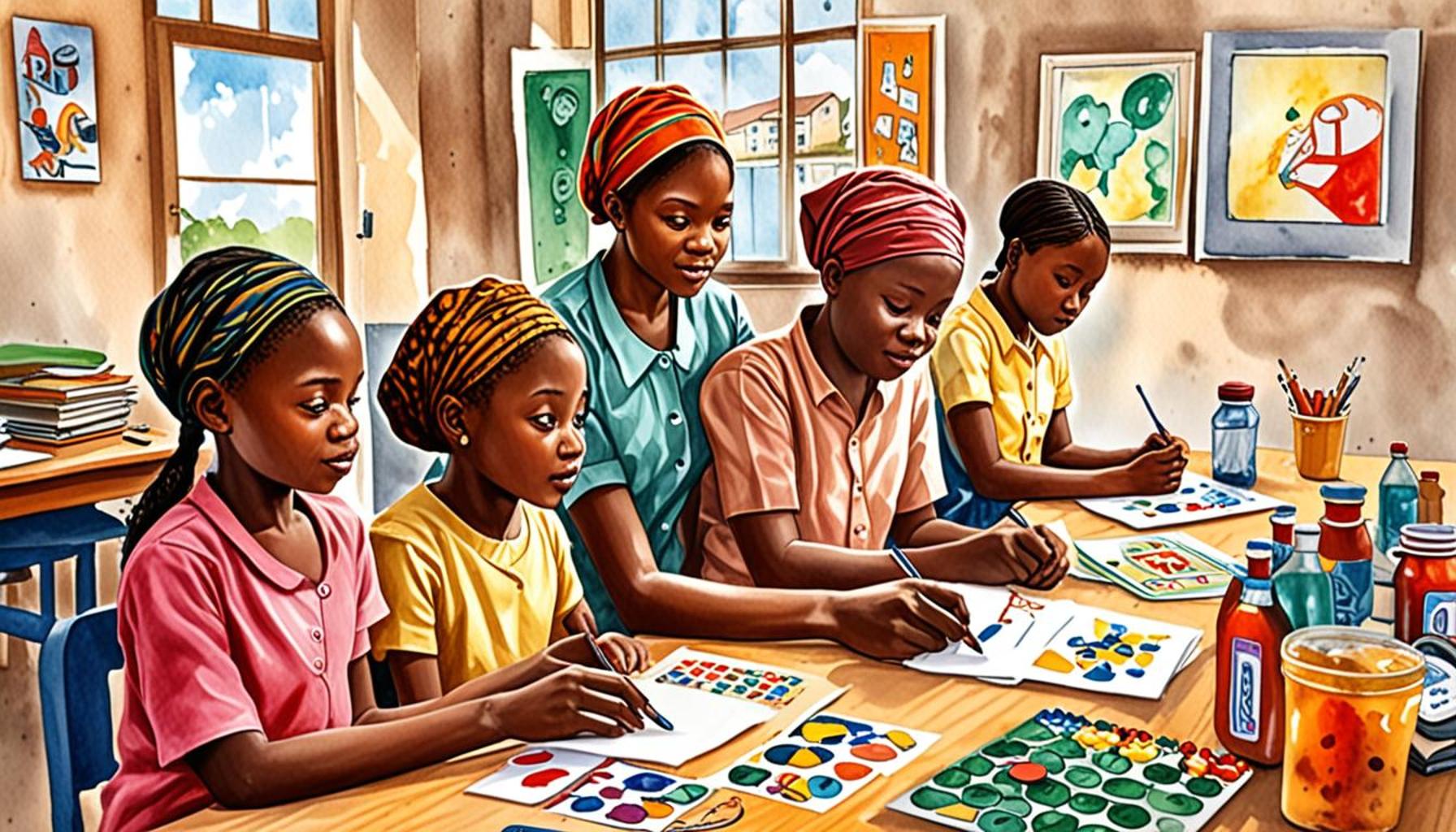
Understanding Memory Games in Education
In today’s educational environment, especially within Nigeria, conventional teaching methods often fall short in capturing students’ attention and stimulating motivation for learning. The introduction of memory games has emerged as a powerful tool to address this issue. These games transform the educational experience, integrating play into learning while fostering essential skills that contribute to academic achievement.
Benefits of Memory Games
The use of memory games in the classroom provides numerous advantages that resonate with students of varying backgrounds and abilities. One significant benefit is improved retention. Research shows that information learned through interactive activities is often recalled more effectively compared to traditional memorization techniques. For instance, utilizing card-matching games that require students to pair terms with definitions encourages deeper cognitive processing, making it easier for them to recall this information during tests or discussions.
Additionally, memory games enhance engagement, which is crucial in a classroom setting where students may struggle with motivation. By incorporating elements of competition and fun into lessons—such as using local trivia or subjects in games—teachers can create a lively atmosphere that captures students’ attention. Imagine students excitedly competing to remember famous Nigerian landmarks or historical events, which not only makes learning enjoyable but also instills a sense of pride in their cultural heritage.
Moreover, these games foster collaboration among peers. Many memory games are designed to be played in teams, promoting social interaction and teamwork. This aligns perfectly with the Nigerian value of community, where collective effort is often celebrated. When students work together, they learn to communicate, strategize, and support one another, which are valuable social skills that extend beyond the classroom.
Cultural Relevance and Adaptability
The adaptability of memory games allows educators in Nigeria to tailor these activities to meet the diverse learning styles present in their classrooms. For instance, in regions where traditional storytelling is prevalent, teachers can incorporate storytelling elements into memory games, allowing students to connect with the material on a personal level. This approach not only respects cultural practices but also promotes a rich learning experience that is relevant and familiar to the students.
The Future of Learning
As educators seek innovative methods to enhance teaching effectiveness, memory games stand out as a practical solution. Exploring their impact on learning outcomes is essential for reshaping educational practices in Nigeria. The implications for teachers are profound, as integrating these interactive techniques can revolutionize traditional teaching models and lead to better academic results.
In conclusion, the role of memory games in the classroom cannot be overstated. As they continue to gain popularity, it is crucial for educators, parents, and stakeholders to recognize their potential in transforming educational experiences. By fostering an environment that values play and collaboration, Nigerian students can thrive academically while enjoying their educational journey.
SEE ALSO: Click here to read another article
Memory Games as a Tool for Enhanced Cognitive Development
The use of memory games as an educational strategy is gaining traction in Nigerian classrooms, and for good reason. These games are not merely a source of entertainment; they play a crucial role in enhancing cognitive development among students. By stimulating various cognitive processes such as memorization, attention, and problem-solving, memory games create an interactive learning environment that is essential for effective knowledge retention.
Research indicates that memory games activate multiple areas of the brain involved in learning, allowing for greater processing of the information presented. For Nigerian students, this means that complex subjects such as mathematics and science can be made more accessible through engaging game formats. For example, a math-themed memory game that requires students to match equations with their answers encourages them to think critically about problem-solving rather than rote learning. This shift in focus is particularly pivotal in a country where education must often compete with numerous distractions from the surrounding environment.
Incorporating Technology into Memory Games
As technology continues to shape educational methodologies, incorporating digital platforms for memory games can further enhance learning experiences. Applications designed for mobile devices offer students the opportunity to engage in memory challenges that can be customized to reflect the Nigerian curriculum. The benefits extend beyond traditional classroom settings, as students are able to practice skills at home or during their commutes, thus reinforcing what they have learned in a fun and interactive manner.
Moreover, using technology to create digital memory games allows for a diverse range of subjects to be covered. Educators can develop games that focus on:
- Nigerian history: Pairing significant events with their dates can help students remember key historical milestones.
- Mathematical concepts: Linking formulas with real-world applications can deepen understanding.
- Language skills: Games designed to improve vocabulary and grammar can make language learning less daunting.
These topics not only align with students’ educational requirements but also leverage their everyday experiences, making them more relevant and engaging. As a result, students are likely to show improved performance in assessments and a stronger grasp of foundational concepts essential for their academic journeys.
Memory Games as a Means of Inclusivity
One of the most compelling aspects of memory games is their ability to cater to a wide range of learning abilities, making them inclusive. In a diverse country like Nigeria, where students come from varying educational backgrounds, memory games can bridge the gap between different learning paces. Differentiated tasks can be created to ensure that all students, regardless of their starting point, can participate and benefit from the game-based approach.
In conclusion, the effectiveness of memory games in enriching the educational experience of Nigerian students cannot be understated. By promoting cognitive development, leveraging technology, and supporting inclusive education, they pave the way for a more engaging and effective learning environment. As educators continue to uncover the benefits of these interactive strategies, the potential for academic success becomes increasingly attainable for every student in the classroom.
The Role of Memory Games in Enhancing Student Engagement
Memory games are not just playful activities; they are powerful tools that encourage active learning. In Nigerian classrooms, where diverse learning styles can be found, these games cater to various educational needs. They support visual, auditory, and kinesthetic learners by using engaging methods that involve different senses. This inclusivity helps create an atmosphere that is conducive to learning, allowing students to better retain information.Additionally, integrating memory games into the curriculum can significantly boost student motivation. When students participate in fun, interactive learning exercises, they tend to be more enthusiastic about their studies. This heightened interest transforms a traditionally rigid learning environment into one that fosters exploration and creativity. As students play, they not only enhance cognitive skills but also cultivate teamwork and communication abilities, vital for collaborative learning.Furthermore, research indicates that memory games can lead to improved academic performance among students. By allowing learners to practice repetitive recall in an enjoyable format, these games reinforce memory retention. The objective of learning becomes clearer and more attainable when students can see their progress and achievements manifested through gameplay experiences. The application of these techniques within Nigerian classrooms holds the potential to revolutionize educational engagement, making the learning experience far more effective. The continuous use of memory games in education also promotes a supportive classroom community. As students work together, they build relationships that can enhance peer-to-peer learning. This dynamic interaction fosters a sense of belonging and encourages open dialogue among classmates, which is crucial in a Nigerian context that cherishes strong communal ties.
Challenges and Implementation Strategies
While the benefits of incorporating memory games in Nigerian classrooms are compelling, challenges still exist. One such issue is access to resources; many schools may lack the necessary materials to effectively use memory games in their lessons. However, creative solutions can be implemented to overcome these limitations. For example, teachers can develop their own memory games using household items or low-cost materials, ensuring that innovative strategies can be utilized in any environment.Another challenge is time constraints within the school curriculum. To address this, educators should be trained in how to strategically integrate memory games into existing lesson plans without sacrificing essential content. By utilizing small segments of class time for these activities, teachers can create a balanced approach that enhances both content mastery and student engagement.Through proactive planning and dedication to understanding student needs, the integration of memory games can serve as a transformative educational practice, greatly enhancing learning among Nigerian students. As teachers witness the impact of these activities firsthand, the momentum for their continued use will surely grow, leading to richer educational experiences across the nation.
ADDITIONAL INSIGHTS: Expand your understanding here
Fostering Social Skills Through Cooperative Memory Games
Another facet of memory games that significantly benefits Nigerian students is their capacity to promote social skills through cooperative play. In a classroom setting, these games are often formatted to require teamwork and collaboration, encouraging students to communicate, strategize, and support each other in reaching a common goal. This collaborative element is particularly important in Nigeria, where education systems are increasingly recognizing the value of soft skills alongside academic knowledge.
To illustrate, consider a memory game that involves teams working together to remember a sequence of historical events. As students discuss and recall details shared within their groups, they enhance not only their memory retention but also their abilities in critical thinking and social interaction. Furthermore, this team-based approach fosters a sense of community among students, transforming the classroom into a thriving hub of shared knowledge and collective growth.
Enhancing Cultural Awareness and Identity
Memory games can also serve as a vehicle for enhancing cultural awareness and identity among Nigerian students. Many memory games can be tailored to include elements of local culture, traditions, and linguistic diversity. For example, by creating memory challenges that feature proverbs, folktales, and significant cultural figures, educators can reinforce students’ connections to their heritage while simultaneously improving memory skills.
Engaging with content that reflects their backgrounds fosters a sense of pride and belonging among students, which can be particularly vital in a country where cultural diversity is vast. As students relate to game content, they become more invested and motivated to learn, facilitating a deeper understanding of both their personal and national identity. Consequently, this engagement can lead to improved academic performance, as students draw motivational strength from their cultural experiences.
Building Resilience and Motivation
In today’s fast-paced world, resilience and motivation are imperative attributes for student success. Memory games can play a crucial role in cultivating these qualities. The structure of memory games encourages learners to face challenges in a supportive environment. As students practice repeatedly, they learn to overcome setbacks, celebrate successes, and stay motivated through game dynamics that reward persistence.
For example, introducing tiered challenges within the game can help students progress at their own pace. Those who may struggle with memory recall initially can experience incremental success, which combats frustration and builds confidence. This concept is essential in the Nigerian context, where students often juggle various responsibilities, making the development of resilience instrumental in their educational journey.
- Peer support: Students encourage one another during memory game sessions, creating a culture of camaraderie.
- Incremental challenges: Layering game difficulty allows students to gradually develop their abilities without feeling overwhelmed.
- Positive reinforcement: Celebrating small victories grows motivation and fosters a lifelong love of learning.
Through these various angles, memory games not only promote cognitive skills but also serve to enrich emotional and social learning among Nigerian students. By enhancing cooperation, cultural awareness, and resilience, memory games offer a multifaceted approach to education that powers academic growth and personal development in today’s dynamic classroom environments.
SEE ALSO: Click here to read another article
Conclusion
In summary, the effectiveness of memory games in the classroom transcends simple play, evolving into invaluable educational tools that significantly enhance learning among Nigerian students. By fostering social skills through collaboration, these games encourage effective communication and teamwork, essential in preparing students for future societal interactions. Furthermore, the integration of local cultural elements within memory games plays a crucial role in instilling a sense of identity and belonging, creating a meaningful context for students to engage and invest in their learning.
Moreover, the evidence shows how memory games can cultivate essential qualities such as resilience and motivation. The challenge these games present, coupled with positive reinforcement mechanisms, promotes an environment where students learn to embrace setbacks as part of their learning journey. This resilience is particularly pertinent in Nigeria, where many students face diverse challenges in their educational paths.
Going forward, educators are encouraged to continue innovating within their teaching methodologies by incorporating memory games tailored to the unique cultural and academic needs of Nigerian students. As we advance into a more competitive and interconnected world, leveraging these memory-enhancing techniques may not only improve academic performance but also foster a more cohesive, confident, and culturally-aware generation. By embracing the power of play in learning, we can significantly reshape educational outcomes for students across Nigeria.