The Role of Social Media in Promoting Memory Games: Connecting Generations in Nigeria
Intergenerational Interactions through Digital Gaming
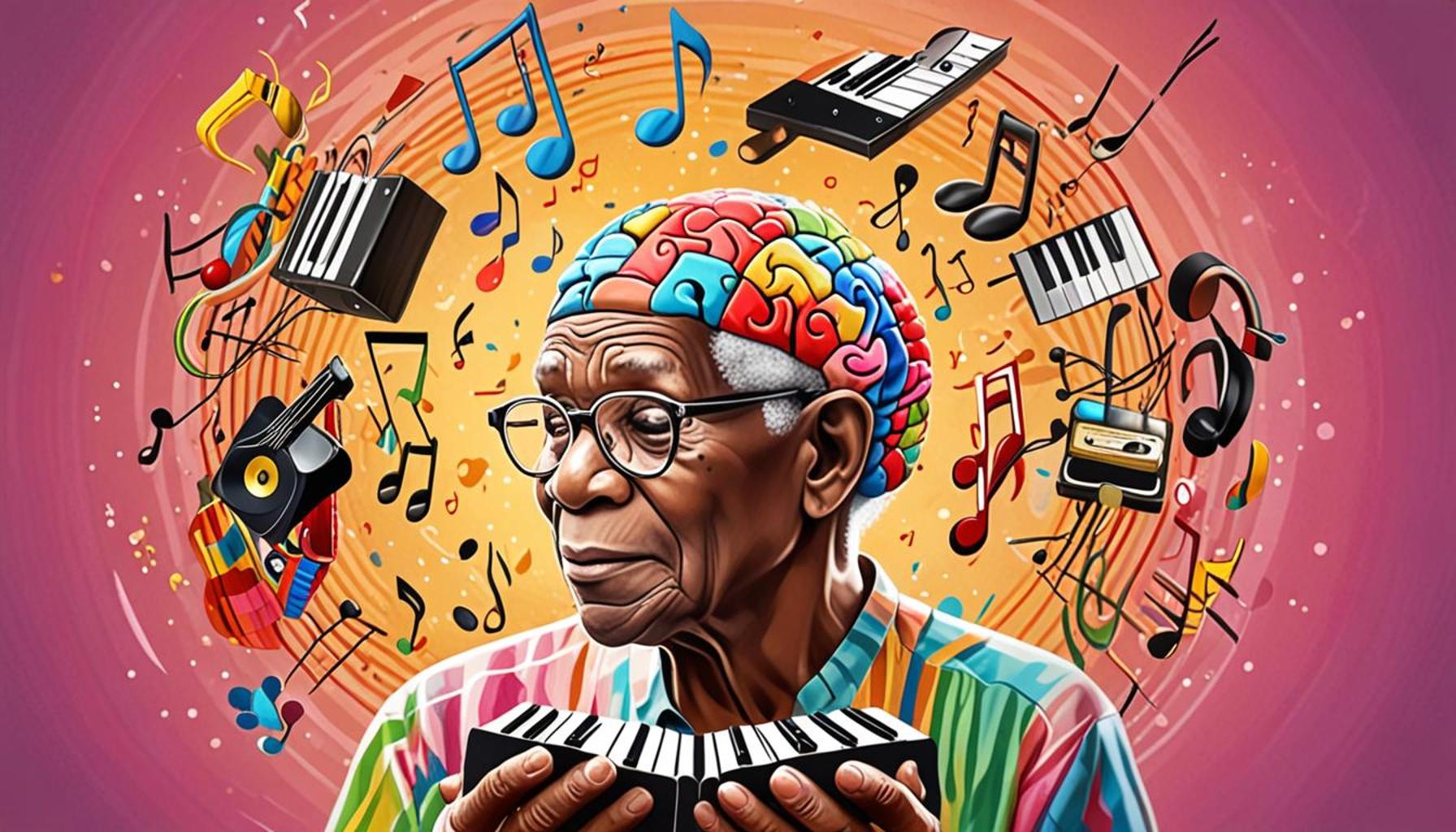
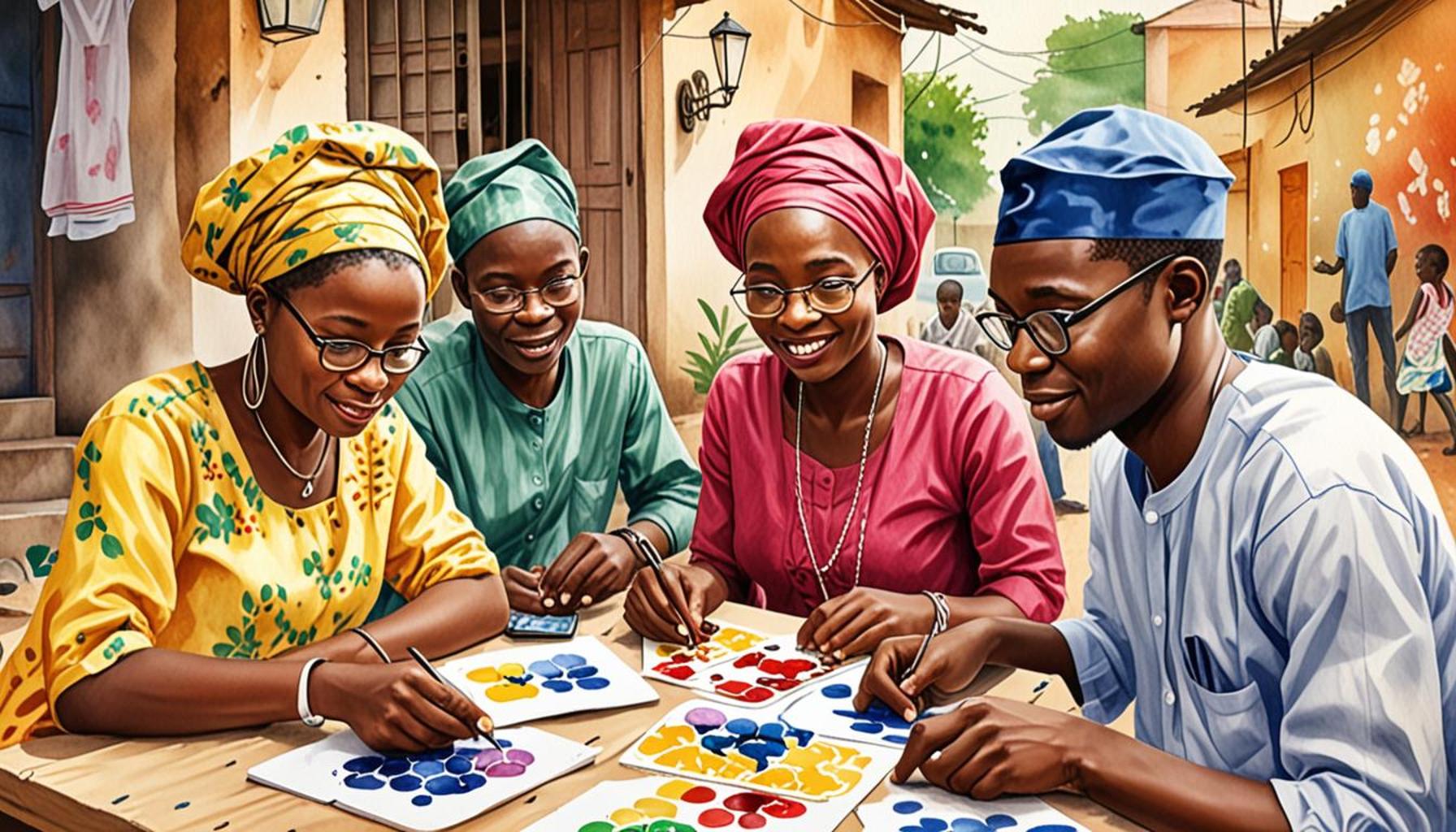
In an era characterized by rapid technological advancements, social media serves not only as a communication tool but as a bridge connecting different age groups. In Nigeria, platforms like Facebook, Instagram, and TikTok have increasingly facilitated intergenerational interaction, particularly through engaging content centered around memory games. These games, which combine fun with mental challenges, are proving to be instrumental in fostering relationships between the younger and older generations.
Memory games transcend mere entertainment; they come packed with significant cognitive and social benefits that contribute to players’ well-being. Consider the implications:
- Enhancing cognitive skills: Research has shown that memory games can positively affect cognitive functions. For instance, players can experience improved memory, enhanced attention span, and superior problem-solving skills. This becomes particularly crucial in a society like Nigeria, where navigating daily life requires a quick wit and sharp memory.
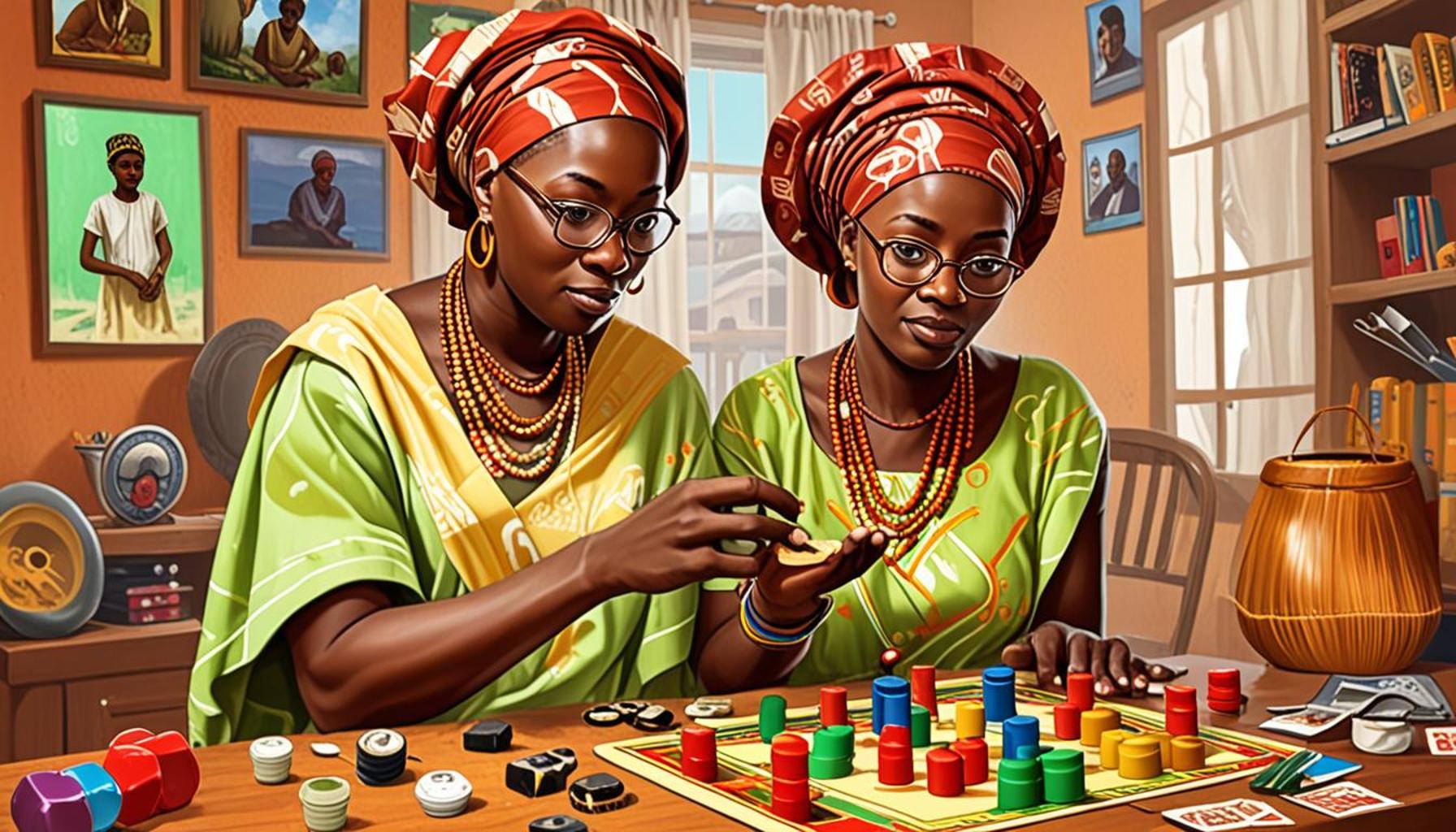
- Encouraging family bonding: The act of playing memory games together often creates opportunities for shared experiences among family members. Not only do grandparents find joy in teaching their grandchildren these games, but they also gain insights into the younger generation’s preferences and interests, bridging an emotional gap.
- Accessible entertainment: With mobile devices increasingly ubiquitous in Nigerian households, memory games have become more accessible than ever. This widespread availability enables diverse groups, including those who might not engage with traditional gaming platforms, to come together for some fun while sharpening their minds.
Social media platforms have transformed the way people engage with these games. They serve as the perfect arenas for:
- Sharing user experiences: Social media allows players to share their memorable gameplay moments, including successful strategies and funny mishaps. The virality of these posts encourages even more engagement, as people compare their scores or challenge each other.
- Hosting competitions: Online tournaments are gaining traction, where players compete for bragging rights or small prizes. This participatory culture boosts engagement and encourages collaboration across age groups, creating an inclusive gaming environment.
- Fostering communities: Social media lets players form groups focused on memory games. These communities become knowledge hubs where users share tips, advice, and best practices, promoting a sense of belonging and connectedness among people of different ages.
As Nigeria continues to evolve in a technology-driven landscape, the pivotal role of social media in promoting memory games reflects a cultural shift. By facilitating intergenerational connections, these games not only provide entertainment but also deepen understanding and appreciation between age groups. Exploring this phenomenon offers invaluable insights into cultural dynamics and the ongoing journey toward collaborative growth in a rapidly changing society.
SEE ALSO: Click here to read another article
Harnessing Social Media for Cognitive Engagement
Social media has emerged as a powerful platform for promoting memory games in Nigeria, capturing the imaginations of people from various age groups. With the increase in smartphone usage and internet connectivity across the nation, platforms such as Facebook, Instagram, and TikTok have become more than just socializing spaces; they are now stages for cognitive engagement through interactive gaming. Memory games have truly become a cultural phenomenon in Nigeria, drawing in both the seasoned players and novice learners alike.
The integration of memory games into social media contexts provides numerous avenues for interaction and cognitive development. Here are some key aspects that highlight the role of social media in this dual endeavor:
- Interactive Learning: Social media facilitates a unique environment for users to share video tutorials and gameplay strategies. For example, TikTok has seen a rise in short, engaging videos where grandparents teach their grandchildren memory games, making learning both entertaining and educational.
- Challenge and Engagement: Friendly competitions can lead to highly interactive experiences. Players often post their scores and challenge friends and family to do better. Such challenges are not just confined to younger audiences; older adults are increasingly participating, creating a sense of friendly rivalry that invigorates their mental faculties.
- Feedback and Recognition: The instant feedback afforded by social media allows users to receive encouragement and recognition from peers upon achieving milestones in memory games. Such interactions can significantly boost confidence, especially among older players who may otherwise feel disconnected from contemporary gaming trends.
Furthermore, owing to the diverse landscape of Nigeria, social media facilitates cross-cultural sharing of memory games. Different ethnic groups are now introducing their traditional memory games onto these platforms, leading to an enriched array of gameplay that can include indigenous language versions and local themes. This melting pot of content not only helps preserve cultural heritage but also teaches younger generations about their roots.
Research indicates that engaging in memory games can significantly improve neural plasticity, which is vital for maintaining cognitive agility as one ages. As such, social media acts as a catalyst in promoting these activities, making cognitive engagement appealing to both young and old. The social validation obtained through likes, shares, and comments encourages players to continue honing their memory skills while fostering a greater appreciation for shared family activities.
As we delve deeper into the multifaceted role of social media in promoting memory games, it becomes evident that these platforms not only serve as entertainment hubs but also as facilitators of vital intergenerational connections. The beautiful blend of tradition and modernity showcased through these games highlights a promising path forward for fostering collaborative learning and understanding amidst Nigeria’s rich tapestry of cultures.
The Benefits of Social Media in Memory Game Promotion
Social media has become a powerful catalyst in the sphere of memory games, particularly in the vibrant cultural landscape of Nigeria. It not only serves as a platform for awareness but also effectively connects various generations, fostering a collective enthusiasm for intellectual challenges. Traditionally, family bonding often involved communal activities, and memory games have been pivotal in that regard. With the rise of social media, the accessibility and reach of these games have significantly expanded. Platforms like Facebook, WhatsApp, and Instagram enable users to share experiences, tips, and strategies, thereby creating a community around memory games. This online interaction encourages younger generations to engage with their elders in a meaningful way, promoting intergenerational dialogue and collaboration.Additionally, social media shares information about local events, competitions, and workshops that center on memory games, inviting participation from all age groups. For instance, an online tournament can attract families to join, turning a simple memory game into an exciting and inclusive event. Users can easily create groups or pages dedicated to these games, facilitating not just competition but also educational exchanges that enhance cognitive skills.Moreover, the digital nature of social media allows for instant feedback and interaction, making learning more dynamic. This environment invites curiosity and encourages users to explore various facets of memory games, from classic card games to modern adaptations. As younger players share their experiences with older relatives, they bridge the generational gap, ensuring that traditional games do not fade away but rather evolve through shared experiences.
| Category | Key Features |
|---|---|
| Community Engagement | Facilitates sharing and interaction among diverse age groups. |
| Event Promotion | Encourages participation in local tournaments and inter-generational workshops. |
In conclusion, the role of social media in promoting memory games is undeniable. It acts as a bridge connecting generations, transforming gameplay into a collaborative and educative experience. As families and communities come together through these interactive platforms, memory games are not merely played, but cherished and preserved as a vital part of cultural heritage.
SEE ALSO: Click here to read another article
Building Online Communities: Strengthening Family Bonds
The nature of social media allows for the formation of vibrant online communities that transcend geographical boundaries, thereby fostering relationships not just among peers but also across generations. In Nigeria, where extended families often live far apart due to urban migration or varying tribal settlements, social media provides an avenue for families to come together through shared experiences in memory games.
Platforms like Facebook and WhatsApp have become communal hubs for families to engage in memory games together. Family groups can create challenges, track scores, and even organize virtual tournaments, making the gaming experience collective rather than individualistic. This communal approach not only enhances the enjoyment of the games but also serves as a bonding exercise among family members. For instance, a mother might challenge her son to a memory game, and in turn, they can collaborate by sharing tips learned from their respective gameplay experiences.
Additionally, this online interaction encapsulates an essential cultural value in Nigeria: respect for elders. Younger generations can post videos of their grandparents sharing traditional memory games, thereby showcasing the wisdom and culture of their lineage. By doing so, they create a sense of pride and appreciation for their heritage, further bridging the generational divide. This integration of family stories with memory game mechanics enriches the gaming experience with personal narratives, achieving a profound connection between the past and present.
The rise of localized content also plays a significant role in promoting memory games. Many content creators on platforms like Instagram and TikTok focus on presenting memory challenges using local languages or incorporating familiar cultural elements. This strategy not only attracts a broader audience but also makes the games relevant and accessible to younger generations who might be more attuned to global gaming trends. By making memory games resonate with local customs, these creators help ensure that the games serve not only as entertainment but also as critical educational tools that reinforce cultural identity.
Furthermore, the implementation of trending hashtags related to memory games facilitates easy discovery and sharing of content across platforms. With tags such as #MemoryGameChallenge and #GenerationalGames, participants can engage in a collective narrative that builds momentum for these gaming activities. Consequently, not only does this digital movement promote cognitive skills, but it also amplifies intergenerational dialogue as users exchange stories, tips, and experiences directly associated with gameplay.
As gamers share their experiences, related articles, and tutorials, conversations around strategies and mental agility spark curiosity and further engagement among various demographics. For instance, the increasing popularity of social media influencers who prioritize cognitive gaming encourages more reluctant older adults to participate actively. As a result, the portrayal of memory games shifts from mere hobbies to valuable cognitive exercises beneficial for mental acuity.
In a rapidly evolving digital landscape, the role of social media in promoting memory games is transforming how generations connect. Rather than isolating individuals behind screens, these platforms have redefined the mechanics of social interaction and learning, allowing for new opportunities to nurture relationships. This dynamic fosters collaboration, learning, and understanding, offering a unique chance for Nigerians to bolster their collective identity while enhancing cognitive abilities across generations.
CHECK OUT: Click here to explore more
Conclusion: A Digital Bridge for Generational Connections
The emergence of social media has revolutionized the way generations engage with one another, particularly in the realm of memory games in Nigeria. As platforms like Facebook, WhatsApp, and Instagram become integral to everyday life, they not only provide entertainment but also act as catalysts for intergenerational bonding and collaboration. The ability to share family stories, local traditions, and playful competitions through memory games reinforces cultural ties while addressing the cognitive needs of both the young and the old.
By incorporating elements that resonate with local customs and languages, the relevance of memory games increases significantly, ensuring they appeal to diverse age groups. Additionally, the use of trending hashtags like #MemoryGameChallenge and #GenerationalGames has proven effective in broadening the reach of these activities, allowing participants to connect with a larger community. This collective participation nurtures curiosity and appreciation for cultural heritage while enhancing mental agility.
As families interact virtually, they cultivate a sense of shared experience that transcends physical distances, effectively breaking down barriers created by urban migration and diverse tribal backgrounds. These memories are not just fun; they echo the importance of respect for elders and create an intimate space for storytelling, learning, and cultural preservation.
Ultimately, the role of social media in promoting memory games has profound implications for Nigeria. It stands as a testament to how technology can bridge generational divides, foster emotional connections, and enrich the Nigerian identity. As these digital platforms continue to evolve, so too does the potential for memory games to play a pivotal role in promoting unity, understanding, and cognitive well-being across generations.