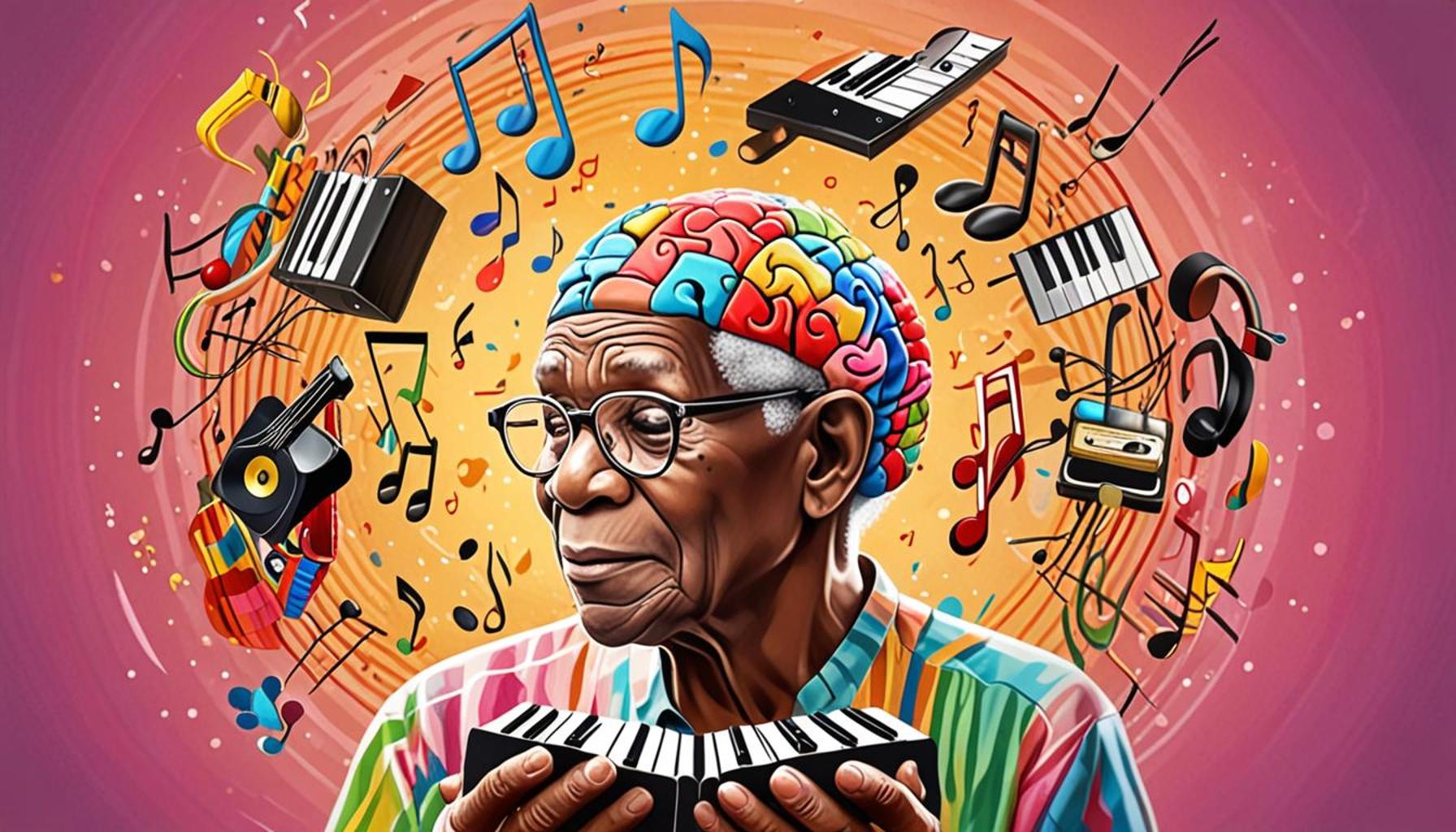
The Impact of Nigerian Culture on Memory Games: Traditions and Innovations
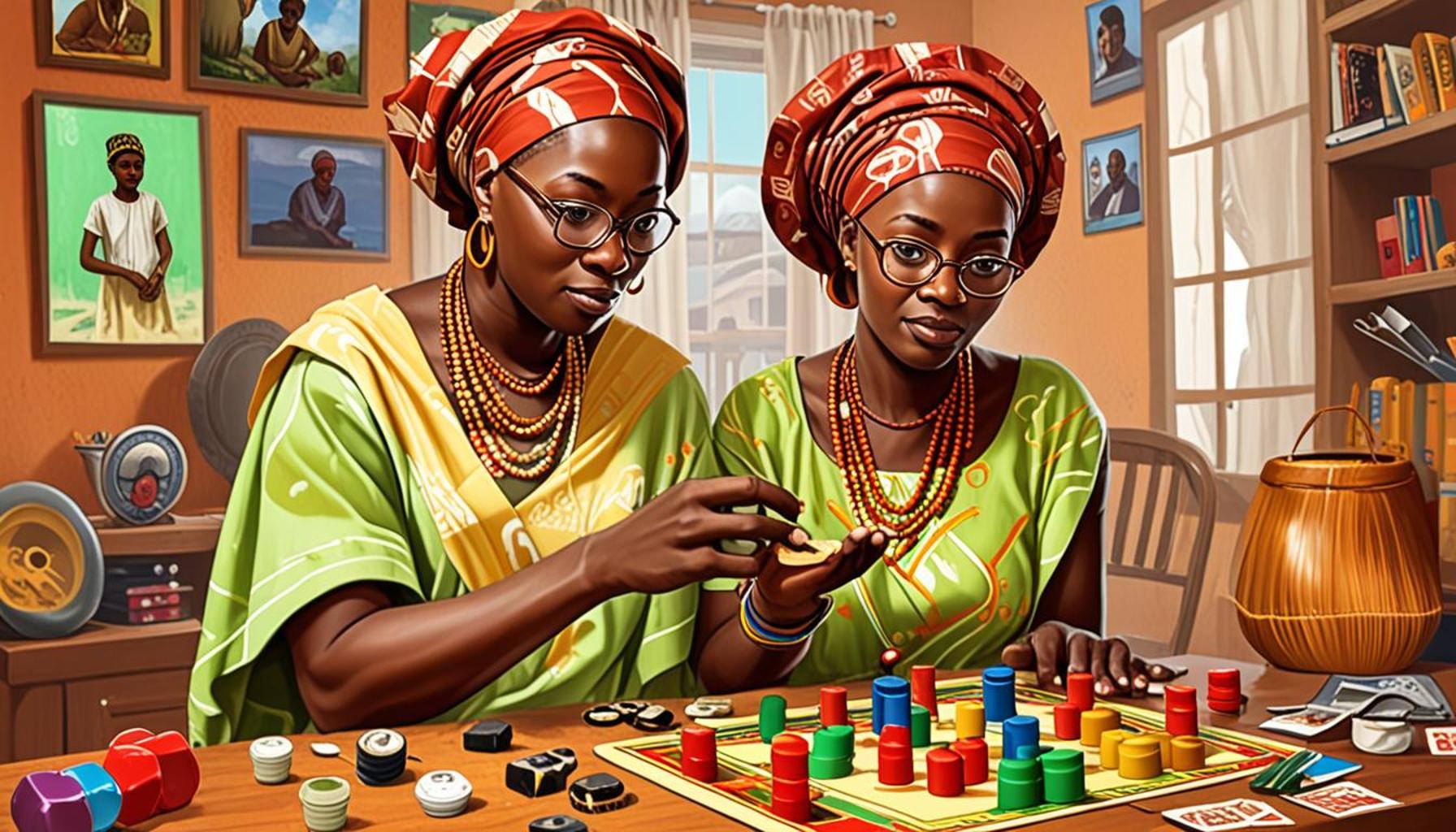
Understanding the Role of Memory Games in Nigerian Society
Across the diverse regions of Nigeria, memory games serve much more than the purpose of mere entertainment. They function as essential instruments of cultural identity, bridging generations and fostering community bonds. With a rich tapestry of various ethnicities, Nigerian memory games stand as unique representations of local traditions, arts, and social norms.
Traditional Games and Their Mechanics
Among the traditional games, dambe and oware provide fascinating insights into the complexity of strategic thinking involved. Dambe, originally a form of combat sport among the Hausa people, includes a memory aspect where players must remember specific moves and counter-moves, enhancing both mental and physical agility. Similarly, oware, a board game popular in many West African cultures, challenges players to remember combinations of stones on a board to outmaneuver their opponent. Playing these games fosters critical thinking, patience, and sharpens concentration skills, all while being rooted in communal ties.
Cultural Significance Beyond Play
Memory games are deeply embedded in storytelling practices, especially in rural communities where oral traditions are paramount. These games often accompany folk tales, legends, and proverbs, creating a captivating atmosphere that enhances memory retention and cultural transmission. They are instrumental during gatherings such as weddings or festivals when elders recount historical narratives, using games to engage younger members of the community. This interactive aspect ensures that tales of morality, bravery, and cultural values remain alive and resonant for future generations.
Embracing Innovation in Gaming
As society evolves, Nigerians are seeing innovative adaptations of memory games particularly through the lens of technology. The rise of mobile applications that simulate traditional games like oware enables greater accessibility and engagement among younger audiences. These digital formats maintain the cultural essence while appealing to a tech-savvy generation who might otherwise overlook their heritage. Additionally, social media platforms host online tournaments, allowing players to connect with one another across distances, thereby fostering a sense of community regardless of geographical boundaries.
The Impact of Memory Games on Society
The role that memory games play in Nigerian culture reflects critical societal values such as cooperation, respect for elders, and the importance of education through play. These games are not simply about winning or losing; they exemplify the art of patience and resilience. They remind community members of their shared history and collective identity.
In our ongoing examination of memory games within Nigerian culture, we uncover a vibrant landscape where tradition meets modernity. As these games continue to thrive, they offer unique opportunities for cultural preservation alongside adaptation, ensuring that the heartbeat of Nigerian heritage remains strong in a fast-paced world. From bustling urban centers to serene villages, the essence of memory games persists, inviting everyone to engage, learn, and enjoy.
YOU MAY ALSO LIKE: Read read another article
Traditional Games and Their Cultural Insights
Nigerian memory games are woven intricately into the fabric of the nation’s diverse cultures, each carrying its own significance shaped by history and tradition. In a landscape where community and storytelling hold steadfast power, these games transcend simple competition, offering a glimpse into the country’s values and social interactions. Games such as ayo and ludu exemplify the intergenerational transmission of knowledge and strategies that have stood the test of time.
Ayo: The Essence of Strategy
Ayo is a traditional board game deeply rooted in Yoruba culture that has garnered attention not only for its playful nature but for its ability to foster critical thinking. The mechanics of the game require players to remember not only the positions of seeds on the board but also the patterns of previous moves made by opponents. This reliance on memory and strategic insight creates a stimulating experience that extends beyond mere entertainment. Local tournaments often evoke a sense of unity, as players compete for pride and camaraderie.
Ludu: Bridging Generations
Ludu, another ubiquitous game across Nigeria, mirrors the classic game of Ludo, yet it carries distinctive local rules that reflect cultural narratives. As families gather around the game board, children learn about taking turns, strategic planning, and the significance of sportsmanship. The informal setting facilitates discussions that enhance familial bonds and instill respect for one another, especially towards elders who typically share wisdom through stories that accompany gameplay.
Integration of Folk Tales and Memory Games
The interaction between memory games and oral traditions is profoundly significant, as these games often serve as a medium for storytelling. During traditional celebrations, elders recount historical events, parables, and proverbs while engaging younger participants in memory games. This dual activity not only anchors the stories in the minds of the youth but also enriches their understanding of cultural morals and values. The memory games become a living repository of the community’s collective memory, allowing youths to grasp their heritage in a participatory manner.
The Benefits of Engaging in Memory Games
Incorporating memory games into everyday life offers a plethora of benefits that extend beyond entertainment:
- Cognitive Development: Memory games promote critical thinking and problem-solving skills, essential for personal and academic success.
- Social Interaction: They encourage communication and teamwork, strengthening relationships among players.
- Cultural Education: Players gain a profound appreciation for their heritage, learning significant aspects of Nigerian traditions and values.
- Emotional Regulation: Players learn to manage winning and losing with grace, fostering resilience and patience.
As we delve deeper into the heart of Nigerian culture, it becomes clear that memory games are not only tools for enjoyment but pivotal elements of cultural persistence and transmission. A closer look at these games reveals their potential for uniting generations while preserving the rich narratives that define Nigerian identity.
| Advantages | Examples |
|---|---|
| Cultural Relevance | Nigerian memory games reflect indigenous storytelling, enhancing cultural pride and knowledge. |
| Enhanced Cognitive Skills | These games improve memory, problem-solving, and critical thinking skills, showcasing innovation in educational methods. |
The dynamics of memory games deeply woven into Nigerian culture highlight their vitality not just as a form of entertainment, but as mediums for educating the younger generations. Traditional games like “Ayo” do more than just sharpen memory; they engage players in rich narratives and historical contexts, fostering a sense of belonging and community. Additionally, the innovative integrations of these games into the digital age pave the way for new methodologies in teaching cognitive skills. Through interactive platforms, learners benefit from engaging formats that resonate with traditional forms yet provide modern educational value.The interplay between tradition and innovation not only preserves these cultural practices but also revitalizes them, making them accessible to a global audience. This dual advantage opens avenues for research and exploration into how such cultural artifacts can influence contemporary educational frameworks.
ADDITIONAL INSIGHTS: Expand your understanding here
Modern Innovations in Memory Games
As the landscape of memory games evolves, Nigerian cultural influences continue to interplay with modern innovations, creating a vibrant fusion of tradition and contemporary practices. The rise of digital technology and creativity has opened new avenues for gameplay, making traditional memory games more accessible to a broader audience. This shift not only preserves the essence of these games but also adapts them for the digital age, ensuring their relevance for new generations.
The Digital Transformation
In recent years, several developers have taken it upon themselves to create mobile applications that simulate classic Nigerian memory games, such as ayo and ludu. These applications retain the original rules while introducing engaging graphics and sound effects, offering players a fresh experience. For instance, the Ayo App allows users to challenge friends virtually, thereby transcending geographical boundaries while preserving the game’s essence. This digitalization has made such games more accessible to younger audiences who are increasingly drawn to mobile devices and online interactions.
Innovative Gameplay Mechanics
Emerging innovations in memory games also showcase a blend of traditional gameplay with modern twists. Recent iterations have introduced elements like customizable boards, themed characters, and faster-paced rounds which cater to the preferences of today’s players. For example, some adaptations of ludu now include power-ups and special abilities, enhancing strategy and complexity while still emphasizing the core principles of memory and planning.
Community Building through Gaming
Modern memory games frequently emphasize community and collaboration, echoing the strong relational fabric found in Nigerian culture. Online platforms host tournaments that bring players together from diverse backgrounds, fostering a sense of belonging as they engage in friendly competition. These digital events mirror traditional gatherings, allowing players to share stories and experiences, thus deepening their connection to their cultural heritage.
Educational Initiatives and Impact
Non-profit organizations and educational institutions are increasingly recognizing the potential of memory games in academic settings. Initiatives that incorporate traditional games into the curriculum serve as effective tools for enhancing cognitive skills among students. Researchers have found that games like ayo not only improve memory retention but also enhance social skills such as cooperation and conflict resolution amongst participants. Celebrated events like the National Memory Games championship showcase young talents while promoting awareness of traditional games and their cognitive benefits.
The Power of Cultural Resilience
The resilience of Nigerian culture is apparent in the way traditional memory games are reimagined and redefined through innovation. By merging time-honored principles with cutting-edge technology, these games remain vital tools for cultural expression and continuity. As generations leverage these innovations, they ensure that the age-old narratives and communal teachings encapsulated in memory games endure, adapting to the needs and interests of contemporary audiences.
In exploring the intersection of tradition and innovation, it becomes evident that memory games in Nigeria are not merely reflections of cultural heritage but active contributors to its evolution. As such, they continue to play an essential role in shaping identities and community within an ever-changing global landscape.
ADDITIONAL INSIGHTS: Expand your understanding here
Conclusion
The journey through the impact of Nigerian culture on memory games illuminates a fascinating interplay between traditional practices and contemporary advancements. As we have explored, the rich heritage encapsulated in games like ayo and ludu not only nurtures cognitive skills but also fosters social interactions and communal bonding. Through a creative resilience, these games persist in relevance, adapting to the surge of digital innovations that have transformed how players engage with them.
Moreover, the emergence of mobile applications and immersive gameplay mechanics reflects a broader movement towards inclusivity and accessibility. These advancements not only preserve the original essence of memory games but also extend their reach to younger generations, ensuring their continued significance in a fast-evolving society. Educational initiatives incorporating traditional games serve to enhance cognitive development while instilling a sense of cultural pride among students—an essential aspect of maintaining cultural identity in the global landscape.
In essence, the fusion of Nigerian heritage and modern innovation reinforces memory games as vital cultural components, shaping identities and fostering connections within communities. As we embrace these evolved forms of traditional games, it is clear that they do more than entertain; they serve as a bridge linking the past with the future, ensuring that the stories and wisdom embedded in Nigerian culture continue to thrive for generations new and old. This ongoing dialogue between tradition and innovation invites us to explore the potential of memory games in enriching our understanding of cultural dynamics. As we move forward, it is imperative to support and celebrate this unique blend, recognizing its role in shaping our social and cultural landscapes.