Traditional Puzzles of Nigeria: An Intergenerational Approach to Stimulating Memory in Families

The Timeless Appeal of Traditional Nigerian Puzzles
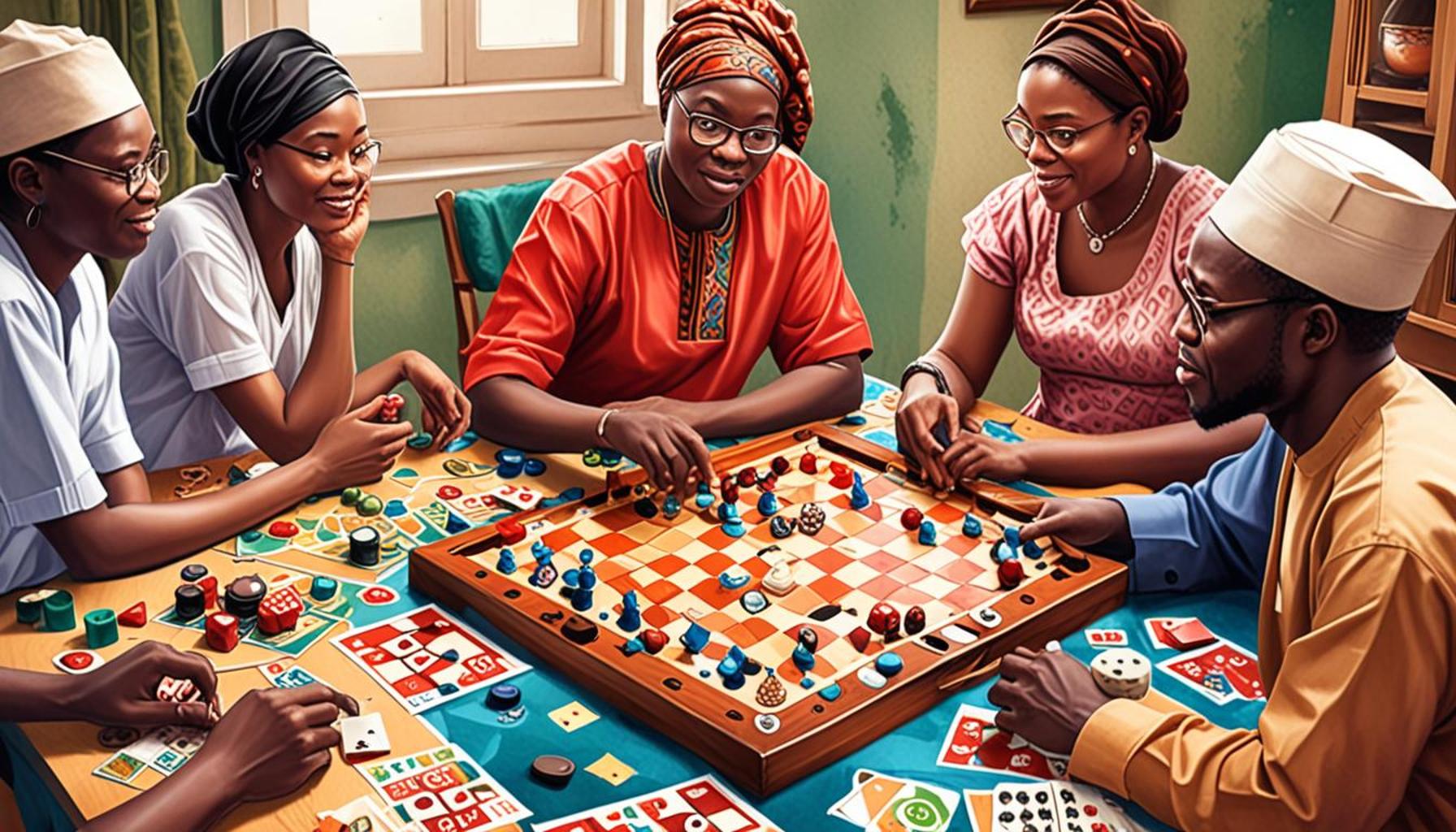
Nigeria boasts a vibrant cultural tapestry that is not only rich in music and art but also in traditional games and puzzles that have been passed down through generations. These traditional puzzles are more than just entertaining activities; they serve as important tools for enhancing mental faculties and fostering connections within families and communities. Elders often recount bonding moments spent around these puzzles, sharing laughter and friendly rivalries that bring families closer together.
Engaging with traditional puzzles offers a myriad of benefits that extend beyond mere entertainment:
- Memory Enhancement: Puzzles like Oware and Dao challenge players to think critically and remember strategies, significantly boosting cognitive functions.
- Family Bonding: These games create shared experiences, allowing family members of all ages to collaborate, teach, and learn from one another.
- Cultural Preservation: Traditional puzzles, rich with historical narratives, serve as vital links to Nigeria’s diverse heritage, enabling the younger generations to appreciate their cultural roots.
Exploring Examples of Nigerian Puzzles
Among the popular traditional puzzles, several stand out for their unique gameplay and cultural importance:
- Dao: Also known as “Mancala,” this game tests strategic thinking and foresight as players aim to capture more stones than their opponent, fostering analytical skills.
- Oware: This ancient game is not just about moving seeds; it’s a deep cultural experience that encapsulates important life lessons on patience and strategy.
- Gidi: This fast-paced game encourages quick thinking and teamwork, making it a favorite among both children and adults during family gatherings.
The stories behind these intergenerational puzzles reveal a wealth of lessons about heritage, strategy, and togetherness. The act of playing these games often sparks conversations about familial history and cultural narratives, enriching the players’ understanding of their identity. For instance, while playing Oware, one might learn about the origins of the game and its significance in various ethnic groups across Nigeria.
In summary, the art of puzzle-solving within Nigerian families transcends play, embodying elements of education, connection, and cultural continuity. As individuals of all ages come together to engage in these brain-teasing challenges, they do more than just pass time; they weave a rich tapestry of memories and lessons that strengthen family ties and uphold the cultural legacies of Nigeria. Join us in exploring these cherished traditions and discover the profound impact they can have on the collective memory of Nigeria’s diverse communities.
SEE ALSO: Click here to read another article
Connecting Generations Through Nigerian Puzzles
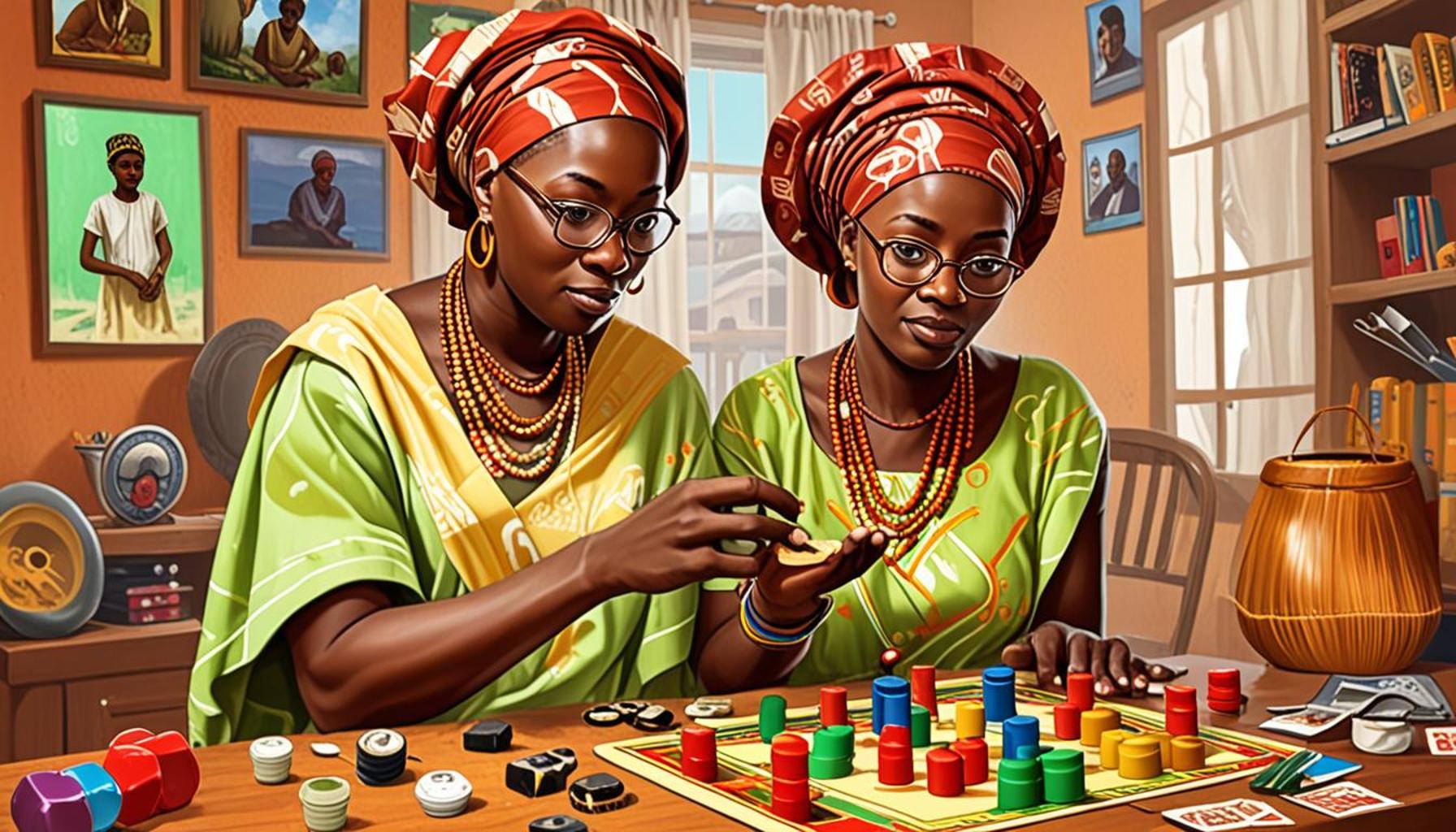
Traditional Nigerian puzzles embody a timeless essence, intertwining fun with profound life lessons. These games, often played with family and friends, not only stimulate memory but also create an essential bridge between generations. Each move in a game like Oware or Dao evokes memories of past encounters, allowing older generations to pass on their wisdom while younger players learn critical thinking and problem-solving skills. This unique interaction turns mere gameplay into a rich educational experience.
The psychological benefits of engaging with these traditional puzzles are widely acknowledged. Research shows that games and puzzles significantly enhance cognitive functions, especially memory retention. Engagement with games like these forms an interactive learning environment where children observe their elders, grasping not just the rules but the broader cultural contexts of their heritage. According to a study conducted by the Nigerian Educational Research and Development Council, integrating traditional games in learning can lead to improved academic performance, highlighting their potential as educational tools.
The Educational and Social Dynamics of Traditional Games
Playing traditional puzzles serves as a fantastic avenue for fostering intergenerational communication. The involvement of grandparents, parents, and children during game nights creates opportunities to share stories, experiences, and values. Here are some specific social and educational dynamics observed during these family bonding sessions:
- Skill Sharing: Older players often act as mentors, teaching their younger counterparts various strategies, problem-solving techniques, and important life lessons associated with each game.
- Memory Stimulation: As players reminisce about past gameplay, the act of recalling strategies and outcomes enhances their cognitive recall abilities, making it an enriching memory exercise.
- Cultural Transmission: Through discussions that arise during gameplay, the younger generation gains insights into their cultural history, traditions, and local dialects, thereby preserving the essence of their heritage.
The allure of sharing traditional puzzles transcends mere entertainment; it encapsulates lessons in patience, strategy, and resilience. While playing Gidi, for example, family members are encouraged to think on their feet, sharpening their cognitive agility while having fun together. These shared moments also become a catalyst for discussions about family values, ethics, and historical narratives that often get lost in modern technological distractions.
In essence, the tradition of playing puzzles like Oware, Dao, and Gidi strengthens familial bonds while enhancing memory skills through shared play. By fostering intergenerational interactions and reinforcing valuable cultural narratives, these beloved games remain a cornerstone in the quest to enrich the cognitive and social dimensions of Nigerian families. Thus, engaging with these traditional puzzles serves not only as a nod to Nigeria’s past but also as a pathway for nurturing future generations’ intellects and family dynamics.
Exploring Traditional Puzzles
In Nigeria, traditional puzzles are not just a source of entertainment; they serve as a vital link between generations, fostering a sense of community and shared history. These puzzles, often crafted from local materials, include intricate designs and patterns that tell stories or depict cultural heritage. Engaging with these puzzles can stimulate cognitive functions, especially memory retention, as families work together to solve them, thus promoting intergenerational bonding.
Memory Enhancement through Play
Research has shown that engaging in puzzles enhances memory and cognitive skills. The act of solving puzzles requires concentration and the recalling of past experiences, making it an excellent tool for stimulating the minds of both the young and the elderly. By participating in these activities, families encourage conversation around cherished memories, deepening their connections and understanding of their cultural roots.
| Advantages | Description |
|---|---|
| Enhances Cognitive Skills | These traditional puzzles stimulate memory and improve problem-solving abilities. |
| Strengthens Family Bonds | Solving puzzles together fosters communication and nurtures relationships. |
The significance of traditional puzzles extends beyond mere entertainment. They serve as a bridge across generations, promoting understanding and respect for history while cultivating patience and teamwork. In addition, such activities are a way to preserve and share cultural heritage, ensuring that younger generations remain connected to their roots.
RECOMMENDED: Check out this similar article
Reviving Heritage Through Play: The Role of Traditional Puzzles
As Nigeria continues to evolve amidst changing lifestyles and technological advancements, the importance of traditional puzzles in preserving cultural identities cannot be overlooked. These games serve as a vital link to the nation’s heritage, reminding families of their roots, values, and customs. By incorporating traditional puzzles into family routines, members of all ages can access and appreciate the rich tapestry of Nigerian culture while strengthening their cognitive abilities.
One of the standout features of traditional puzzles is their versatility. Games such as Damii and Ayogu can be played in various settings, from outdoor gatherings to intimate family nights. This adaptability not only ensures their survival in modern times but also allows for creative variations that keep the games fresh and engaging. For instance, many families adapt the rules of Oware to suit younger players, encouraging a sense of inclusion while maintaining the essence of the original game. By bridging different age groups, the family unit can enjoy a shared experience that transcends generational divides.
Moreover, these puzzles stimulate critical thinking and strategic planning. Children engaged in traditional gameplay learn to anticipate their opponents’ moves while simultaneously strategizing their own. This form of play is even supported by educational frameworks, which recognize the development of executive functions in young players as they navigate complex scenarios presented by these puzzles. A study from the University of Lagos indicated that children who regularly play traditional games exhibit significantly improved analytical skills and decision-making capabilities compared to those who do not.
The intergenerational appeal of traditional puzzles also makes them pivotal in creating lasting memories. Families often reminisce about sharing their first game of Gidi, where a simple loss or victory evolves into humorous tales passed down through generations. These narratives foster a sense of belonging and continuity, reinforcing family ties. Notably, cultural gatherings and festivals often incorporate these puzzles, allowing for public displays of skill and encouraging participation from both the young and old. This aspect not only honors tradition but also nurtures community spirit in an era where individualism is on the rise.
The Future of Traditional Nigerian Puzzles in Family Learning
As we navigate the complexities of modern life, the inclusion of traditional puzzles offers an innovative approach to memory enhancement within families. Educational institutions are beginning to recognize their potential as well, with some schools introducing traditional game sessions to their curricula. This shift is highlighted in Nigerian education strategies aimed at blending cultural literacy with academic success, fostering environments where knowledge is passed down alongside essential cognitive skills.
Additionally, there is a growing trend of community organizations promoting traditional puzzle tournaments and workshops, bringing families together in fun and competitive ways. These events not only celebrate Nigerian culture but also showcase the mental agility that comes from engaging with these games. Such initiatives could see a resurgence of interest and participation, encouraging families to reconnect with their heritage through interactive play.
Ultimately, traditional puzzles are more than just games; they are vessels of memory and culture, capable of reinforcing familial bonds while supporting cognitive development. By embracing these games, Nigerian families can cultivate a multi-faceted approach to learning and memory enhancement that honors their past while preparing for a promising future.
ADDITIONAL INSIGHTS: Expand your understanding here
Embracing Traditional Puzzles for a Bright Future
In conclusion, the traditional puzzles of Nigeria serve as more than mere games; they encapsulate the essence of familial bonds, cultural heritage, and cognitive growth. As we navigate a rapidly changing world, the revival of these puzzles presents an opportunity to engage multiple generations in meaningful interactions. By revisiting time-honored games such as Damii, Oware, and Gidi, families can unlock not only memories but also vital cognitive skills such as critical thinking and strategic reasoning.
The powerful impact of these games on memory enhancement reinforces their relevance in today’s educational context. Recent studies, including those from the University of Lagos, demonstrate that the cognitive benefits of engaging with traditional puzzles extend beyond recreation, bolstering analytical skills in younger generations. These insights underscore the significance of integrating traditional puzzles into contemporary family dynamics and educational frameworks.
Moreover, community initiatives aimed at promoting traditional puzzle tournaments create vibrant platforms for families to reconnect, celebrate their heritage, and foster social cohesion. As we embrace these collaborative efforts, we can ensure that the legacy of our rich cultural tapestry remains vibrant for future generations.
As families rediscover and celebrate the traditional puzzles of Nigeria, they will not only nurture a shared sense of identity but also prepare their children for a future rich in creativity, collaboration, and critical thought. It is through these intergenerational exchanges that the spirit of Nigerian culture will thrive, leaving an indelible mark on generations to come.