
How Strategy Games Can Improve Critical Thinking in Young People
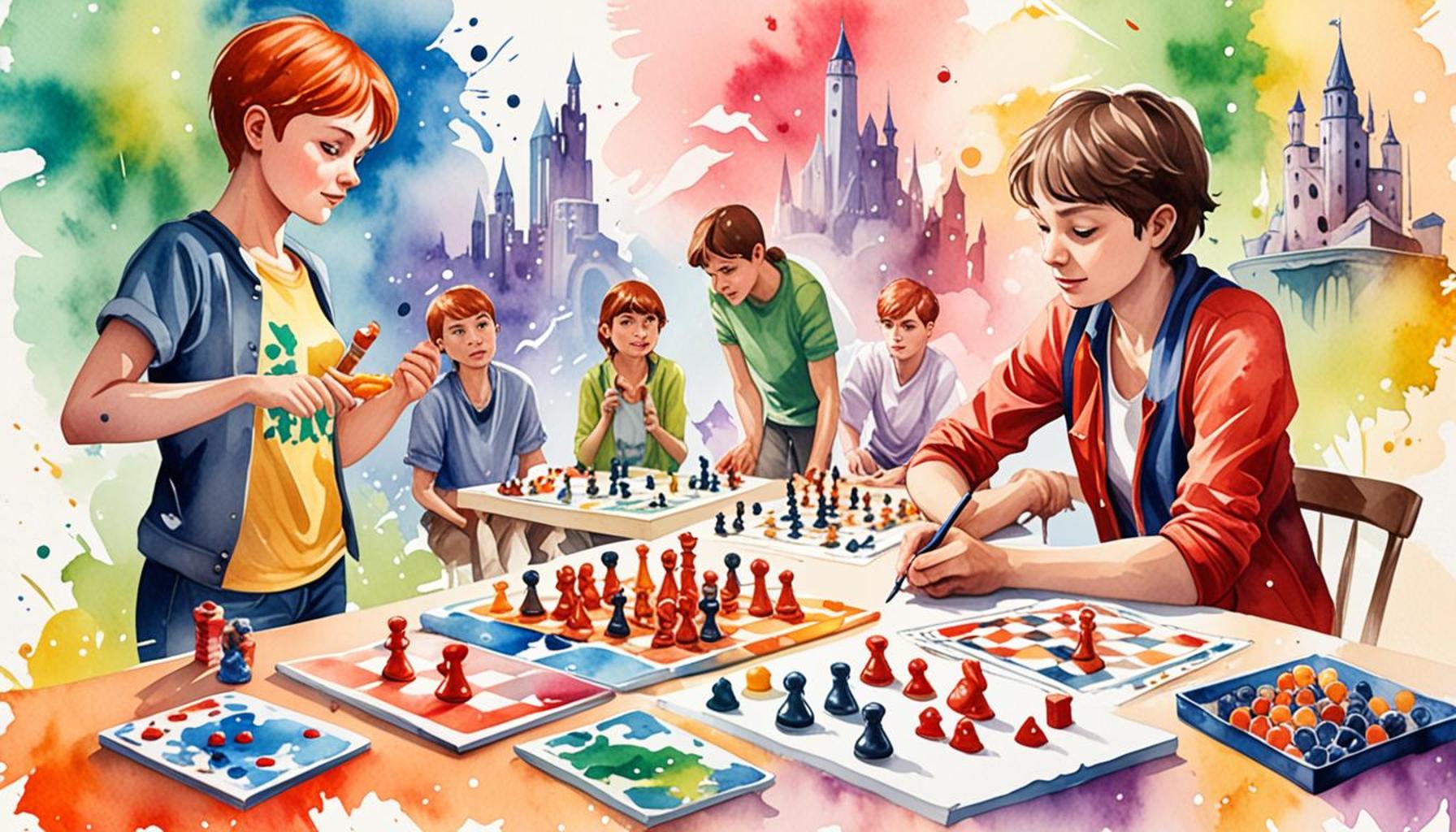
The Impact of Strategy Games on Cognitive Skills
In today’s fast-paced environment, the necessity for young individuals to think critically and make swift decisions is paramount. With the complexities of modern life, including academic pressures and social dynamics, young people are continuously faced with opportunities to enhance their decision-making capabilities. This brings strategy games into the spotlight, as they offer an engaging avenue for developing essential cognitive skills.
Strategy games are more than just a way to pass the time; they are effective instruments for cognitive development. These games can serve educational purposes, especially in regions like Nigeria, where their adoption is rapidly growing. Here are some profound benefits that illustrate how these games contribute to personal growth:
- Enhances Problem-Solving Abilities: Through gameplay, participants encounter various obstacles, prompting them to think critically. For instance, in Chess, players must foresee their opponent’s moves while simultaneously strategizing their own, encouraging a mindset focused on solution-oriented thinking.
- Boosts Analytical Skills: Players spend time analyzing game scenarios, which enhances their understanding of cause and effect. In games like Ludo, understanding the probabilities associated with movement reinforces analytical thinking, a skill that translates into academic success.
- Encourages Adaptability: Strategy games require players to pivot their strategies based on real-time developments. In games such as the mobile game “Clash of Clans,” where players must adjust to the actions of their opponents, adaptability is crucial for victory.
In Nigeria, traditional games like Chess and Ludo, along with online strategy games, are fostering a culture of critical thinking. These games not only entertain but also serve as educational tools bridging gaps in the school curriculum. For example, organizations like the Nigerian Chess Federation are actively promoting chess in schools, providing students not just with a fun pastime but also with a strategy for academic improvement.
As young people immerse themselves in strategy games, they acquire a valuable toolkit for life, extending well beyond the confines of the gaming table or screen. The critical thinking and cognitive skills they develop can empower them to navigate future academic challenges and excel in interpersonal relationships.
This phenomenon invites parents, educators, and policymakers to recognize the importance of integrating strategy games into educational frameworks. By fostering environments that encourage critical thinking through these engaging mediums, we can equip the next generation with the necessary skills to tackle the challenges of tomorrow effectively.
RECOMMENDED: Check out this similar article
Fostering Critical Thinking through Interactive Gameplay
The process of critical thinking is dynamic, requiring young individuals to engage with problems actively and reflect on their decisions. Strategy games, by their very nature, immerse players in scenarios that necessitate careful thought, strategic planning, and foresight. With games ranging from traditional board games such as Chess and Checkers to digital platforms like “Age of Empires,” young people are presented with numerous opportunities to develop crucial cognitive skills.
One of the standout benefits of strategy games is their ability to promote risk assessment. Players learn to evaluate potential outcomes before executing their strategies. For example, in the well-loved game “Settlers of Catan,” participants must weigh the advantages of resource allocation against the potential threats posed by opponents. This focus on assessing risks fosters a critical mindset, urging players to consider multiple scenarios and their possible impact—a skill that is invaluable in daily life and academic settings.
Another significant aspect is the enhancement of collaborative problem-solving skills. In multiplayer strategy games, players often need to work in teams, necessitating communication, negotiation, and compromise. Such interactions not only help in reinforcing critical thinking skills but also cultivate a sense of community among peers. This aspect can be particularly beneficial in Nigeria, where collaborative study and group activities can lead to deeper understanding and improved academic performance.
Moreover, strategy games often require individuals to engage in long-term planning and tactical thinking. Games like “Civilization” demand players to make decisions with long-lasting implications, as choices affect the trajectory of their civilizations across different eras. This kind of forward-thinking mirrors real-life scenarios where young people must make decisions regarding their education and future careers, showcasing a direct link between gaming experiences and real-world applications.
Many young Nigerians are already leveraging the power of strategy games to refine their cognitive skills. While some may classify these games solely as entertainment, schools and educational organizations are beginning to tap into their potential as learning tools. Awareness of how strategy games can improve critical thinking has prompted more parents and teachers to incorporate them into daily routines and classroom activities.
As we dive deeper into the benefits, it’s essential to highlight the various cognitive domains enhanced by these games. Here are some key skills honed through playing strategy games:
- Critical Analysis: Players evaluate opposing strategies and adjust their tactics accordingly.
- Decision-Making: Quick thinking is essential for success, as players often must make crucial choices within limited time frames.
- Strategic Planning: Long-term goals drive player actions, promoting foresight and diligent planning.
- Social Skills: Engaging with peers enhances negotiation and communication capabilities.
Ultimately, the rising popularity of strategy games in Nigeria aligns with a growing recognition of their role in enhancing critical thinking. The challenge now is to harness this potential fully within educational systems and encourage young people to embrace these engaging pathways to cognitive improvement.
How Strategy Games Enhance Problem-Solving Skills
Strategy games have a remarkable way of fostering problem-solving skills in young players. By engaging in these immersive challenges, individuals learn to analyze scenarios and devise creative solutions to overcome obstacles. In games like chess or resource management simulations, young people must assess their options carefully, weighing potential outcomes before making a move. This not only cultivates foresight but also encourages a systematic approach to tackling issues, which is essential in both academic and everyday contexts.
The Role of Strategic Planning
Another significant advantage lies in strategic planning. In strategy games, players are often tasked with setting long-term goals while navigating unpredictable variables. This requires a balance between immediate tactics and future-oriented strategies. By honing this ability, young players learn how to prioritize tasks and manage resources effectively. Such skills translate into real-world applications, whether it be in education, career development, or personal life management. The strategic mindset developed through gaming prepares youth for challenges they will face outside of the gaming world.
Enhanced Communication and Collaboration
In multiplayer strategy games, collaborating with others becomes a focal point. Young people need to communicate their ideas clearly and often negotiate with team members to form winning strategies. This collaborative aspect helps improve communication skills and social interactions, promoting teamwork as they learn to respect differing opinions and build consensus. These experiences not only enhance their critical thinking but also prepare them for future roles in cooperative environments.
The Interplay of Decision-Making and Consequences
Moreover, the idea of weighing decisions against potential consequences is a core component of strategy gaming. Players quickly learn that their actions can lead to various outcomes, emphasizing the importance of careful deliberation. This aspect cultivates a reflective mindset, where youth understand that poor decisions can lead to significant setbacks, thus fostering a culture of responsibility. As they become more adept at analyzing risks and benefits, they build essential decision-making skills that are vital in academic and personal growth.
| Category | Characteristics and Benefits |
|---|---|
| Problem-Solving Skills | Encourages critical analysis and creative solutions |
| Strategic Planning | Teaches prioritization and resource management |
| Collaboration | Enhances communication and teamwork skills |
| Decision-Making | Fosters a reflective mindset through outcome analysis |
These aspects highlight how strategy games are not just a source of entertainment but also valuable educational tools. Through engaging gameplay, young individuals are better prepared to face the complex challenges of the modern world. As more educators and parents recognize the benefits of strategic gaming, a new dimension of learning is likely to unfold, emphasizing the critical role these games play in developing a sharper, more analytical mind.
CHECK OUT: Click here to explore more
The Role of Strategy Games in Cultivating Cognitive Flexibility
Beyond their inherent ability to foster critical thinking, strategy games excel in enhancing cognitive flexibility—the mental capacity to switch between thinking about different concepts or to think about multiple concepts simultaneously. This is particularly advantageous for young players confronted with rapidly evolving game scenarios that require adaptation and quick thinking. For instance, in “Starcraft,” players must respond to adversaries’ tactics while launching their own strategic decisions. This pragmatic application of cognitive flexibility translates directly to real-world situations where young people in Nigeria need to navigate diverse challenges, from academic pressures to social dynamics.
Moreover, strategy games encourage a growth mindset, teaching young players that improvement and mastery come through perseverance and effort. This concept is closely associated with the idea of learning from mistakes—a core component of critical thinking. In games like “Total War,” a failed battle can provide insightful lessons that inform future campaigns, demonstrating that setbacks are opportunities for strategic reassessment and development. This mindset is particularly beneficial in an educational landscape where failure can discourage rather than motivate students.
Another appealing aspect of strategy games is their capacity to stimulate motivation and engagement. Research indicates that when young individuals are actively involved in the learning process—such as through engaging gameplay—they are more likely to retain information and stay interested in subjects that may have otherwise seemed tedious. In Nigeria, where traditional learning methods sometimes struggle to engage students, strategy games have emerged as a captivating alternative that could stimulate interest in critical subjects such as mathematics, history, and economics through strategic gameplay.
In addition, strategy games often entail a high level of resource management, which involves optimally allocating limited resources toward achieving specific goals. “Railroad Tycoon,” for example, requires players to manage finances, train schedules, and route planning to run a prosperous railway company. The principles learned through resource management provide essential life skills. Young people learn the importance of prioritization and strategic investment, crucial concepts not only for success in games but also in their academic and personal lives.
Furthermore, the diverse genres of strategy games available allow for multifaceted learning experiences. Games rooted in historical scenarios, such as “Age of Empires,” promote not only strategic thinking but also historical awareness and cultural appreciation. This can bridge a gap in knowledge and foster a sense of identity in young Nigerians while enhancing their critical thinking. Understanding the implications of historical events encourages players to draw parallels with current global affairs, prompting deeper critical reflections on their societal contexts.
As digital platforms become more prevalent across Nigeria, leveraging the popularity of strategy games presents an unprecedented opportunity for educators and parents to enhance critical thinking skills in young people. The dialogue around incorporating these gaming experiences into curriculums is already gaining traction, grounded on the potential to cultivate analytical skills necessary for navigating an ever-complex world. Harnessing the engaging nature of strategy games allows for a generation of critical thinkers poised to address the challenges of the future.
CHECK OUT: Click here to explore more
Conclusion: The Potential of Strategy Games in Developing Young Minds
In conclusion, the role of strategy games as a tool for enhancing critical thinking in young people cannot be overstated. These games foster essential cognitive skills such as problem-solving, adaptability, and resource management, which are vital for navigating both academic and real-life challenges. By engaging with complex scenarios, young players in Nigeria develop the ability to think critically and strategically—a competency that will serve them well beyond the gaming world.
Moreover, as these games cultivate a growth mindset and invigorate motivation and engagement, they shift the focus from mere rote learning to a more interactive and dynamic learning experience. In an educational landscape that often struggles to capture the interest of students, strategy games offer a relevant alternative, bridging gaps in traditional education while promoting enthusiasm for subjects that matter.
As digital access broadens across Nigeria, incorporating strategy games into educational practices can unlock new pathways for learning and develop a generation of critical thinkers well-equipped to tackle the complexities of the modern world. Finally, educators, parents, and policymakers must embrace this shift and harness the potential of strategy games as a means to enrich the cognitive capabilities of young people, ensuring they can meet future challenges with confidence and insight.