Puzzle-solving strategies as coping tools for everyday stress
The Power of Puzzle-Solving in Stress Management
In our rapidly evolving world, the weight of stress is a common experience. As people juggle demanding jobs, navigate complex family dynamics, and endure the hustle inherent in urban life—particularly in bustling cities across Nigeria—stress often feels overwhelming. Yet, amidst this chaos, there are innovative coping strategies that can help transform our approach to pressure and bring moments of calm.
Puzzle-solving strategies stand out as one such effective method for managing stress. Engaging in various forms of puzzles—like crosswords, Sudoku, and jigsaw puzzles—not only serves as a delightful pastime but also comes with notable psychological advantages. These advantages can greatly enhance our emotional well-being. Here are a few key aspects that underscore the benefits of puzzle-solving:
- Mental Engagement: When tackling puzzles, different regions of the brain are activated, which enhances cognitive functions such as memory retention and problem-solving abilities. Research indicates that activities requiring critical thinking can delay cognitive decline, making puzzles a valuable exercise for individuals of all ages.
- Relaxation: Solving puzzles can immerse you in a world of focus, providing a much-needed diversion from stressors. The act of concentrating on a puzzle allows individuals to temporarily escape worries, creating a mental sanctuary far removed from daily tensions. For instance, a mid-afternoon Sudoku break could turn a stressful day into a more manageable one.
- Satisfaction and Achievement: There’s a palpable boost in confidence that accompanies completing a challenging puzzle. This sense of accomplishment can carry over into other areas of life, instilling a feeling of capability and resilience. In Nigeria, where communal and familial ties are strong, the joy of completing puzzles with family members can amplify this experience.
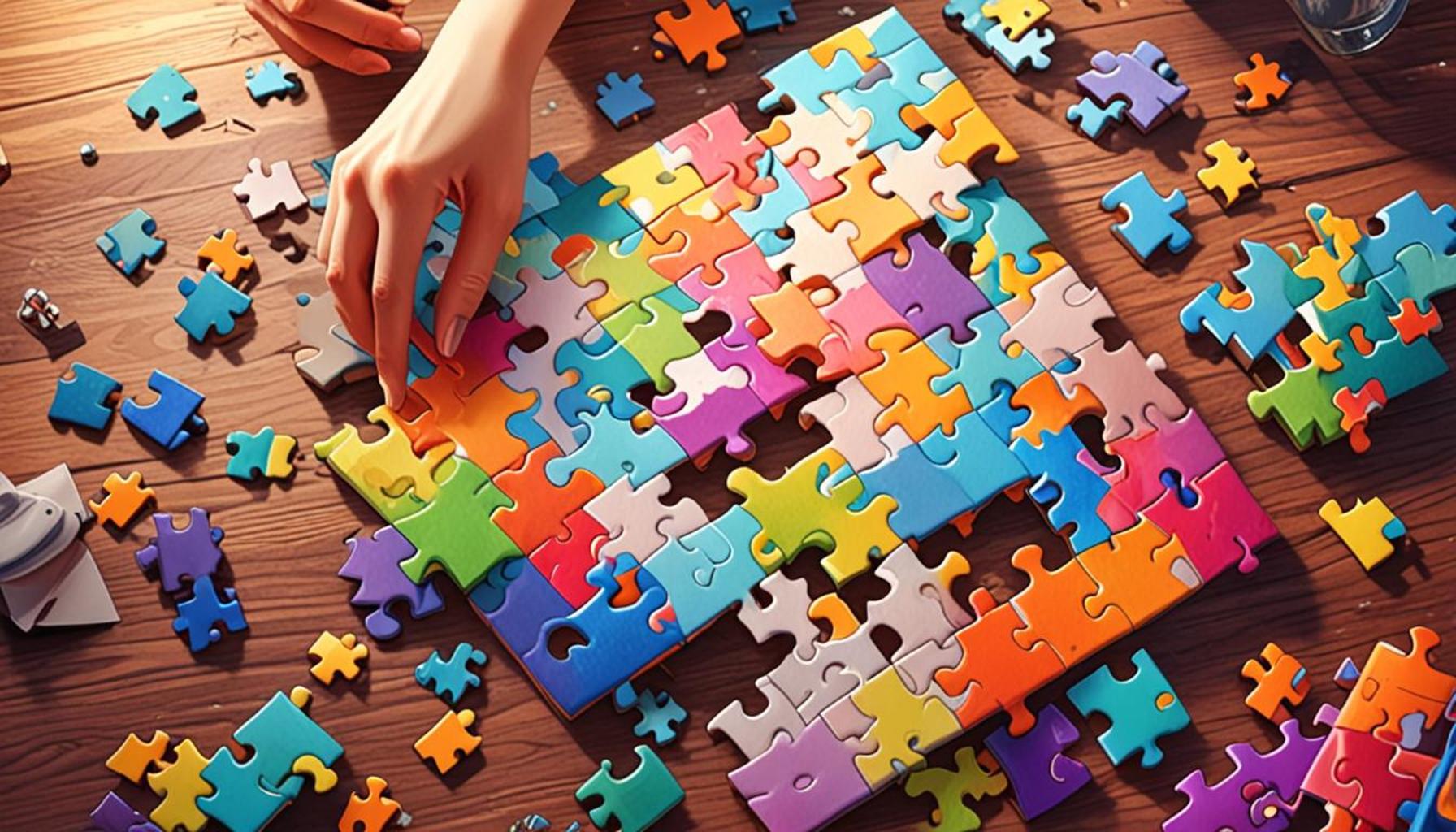
The universal appeal of puzzles means they can bridge age and cultural gaps, making them a cherished activity in many households. Families across Nigeria may gather around the dining table for a friendly crossword competition or spend a rainy afternoon assembling a colorful jigsaw puzzle, all while strengthening their bonds and encouraging intellectual engagement. Such shared activities can simultaneously nurture relationships and provide necessary mental workouts.
In light of these benefits, it becomes essential to incorporate puzzle-solving strategies into our daily routines. Simple adjustments, like setting aside time each day for puzzles or joining local puzzle clubs, can effectively reduce stress levels. Whether you prefer to indulge in a digital puzzle app on your commute or exercise your mind with a classic paper-and-pencil crossword during your lunch break, integrating puzzles into daily life can be an easily accessible antidote to stress.
By embracing the transformative power of puzzles, individuals not only engage their minds but also forge connections and cultivate tranquility. This article aims to empower readers to explore an array of puzzle-solving techniques, discover their myriad benefits, and implement them thoughtfully into their everyday lives, ultimately reinforcing their ability to cope in our ever-stressful world.
LEARN MORE: This related article may interest you
Unlocking the Benefits of Puzzle-Solving for Stress Relief
Amid today’s fast pace and the challenges of everyday life, puzzle-solving emerges not only as a source of entertainment but also as a powerful tool for managing stress. In Nigeria, where urban stressors can feel particularly intense—from traffic congestion in cities like Lagos to the financial pressures faced by families—turning to puzzles can provide much-needed respite. Engaging in puzzles such as crosswords, Sudoku, and logic games helps individuals reclaim a sense of calm while enhancing mental agility.
Mental Stimulation: One of the foremost advantages of puzzle-solving is its capacity to stimulate the mind. Puzzles engage various cognitive functions, promoting mental clarity and improving focus. This is particularly significant in today’s world, where distractions are abundant. Studies suggest that consistent engagement in mentally stimulating activities, like puzzles, can enhance neuroplasticity—the brain’s ability to form new neural connections. Practicing this mental exercise not only boosts brainpower but also serves as a formidable distraction from daily stressors. In a Nigerian context, where community learning and growth are valued, solving puzzles together can double as both a workout for the mind and a means of bonding with family.
Escapism and Mindfulness: The process of piecing together a puzzle allows individuals to immerse themselves fully in the task at hand, fostering a state of mindfulness. This immersion is akin to engaging in a form of meditation, where the outside world’s worries fade away, replaced by the satisfaction of solving a challenging problem. For many people in Nigeria, who might be facing work-related stress or personal challenges, taking time out to focus on a puzzle—be it on a commute or during a break—can be a calming ritual that provides a brief yet effective escape from their worries.
Building Community: Puzzle-solving can also enhance social connections, an aspect particularly valued in Nigerian culture. Whether gathered around a table to solve a jigsaw puzzle with family or competing in a friendly crossword tournament at work, these shared experiences promote teamwork and communication. Engaging in puzzles within a communal setting serves as a platform for storytelling, laughter, and relationship strengthening. Families can bond over shared victories or provide support in moments of frustration when a tricky puzzle proves challenging.
- Choice of Puzzles: Consider varying the types of puzzles you engage with. From word searches that help with vocabulary building to number puzzles that enhance logical thinking, variety is key in keeping the mind engaged.
- Incorporate Technology: Digital puzzle apps can provide a more flexible option, making it easier to fit puzzle-solving into daily routines whether you’re waiting in line or during a relaxing evening at home.
- Participate in Local Events: Joining local puzzle clubs or participating in community puzzle events can create a sense of belonging and provide an outlet for social interaction.
As individuals in Nigeria seek practical solutions for managing daily stress, incorporating puzzle-solving strategies may transform their approach to challenges. With a myriad of engaging options available, recognizing the psychological benefits of these games can pave the way for healthier lifestyles and improved overall well-being.
Puzzle-Solving Strategies as Coping Tools for Everyday Stress
As modern life becomes increasingly hectic, individuals constantly seek effective ways to manage stress. One interesting and effective approach is utilizing puzzle-solving strategies. Engaging in puzzles and similar activities can create a mental sanctuary, helping to redirect focus from stressors in daily life. Here, we delve into the key advantages of incorporating these strategies into your coping mechanisms.
| Category 1 | Category 2 |
|---|---|
| Cognitive Engagement | Stimulates brain activity and enhances problem-solving skills. |
| Emotional Relief | Provides a sense of accomplishment and reduces anxiety levels. |
The act of solving puzzles, whether they are jigsaw, crosswords, or Sudoku, becomes a therapeutic adventure. By immersing oneself in these activities, the mind shifts focus from stressors and fosters a state of calm. Notably, this practice can lead to improved emotional resilience. Research has indicated that engaging in cognitive tasks can enhance one’s ability to cope with stressful situations, ultimately benefiting overall mental health.
Furthermore, the social aspect of puzzle-solving—when done in groups—can strengthen relationships and provide additional support. Collaborative puzzle-solving fosters communication and teamwork, amplifying the benefits of emotional and cognitive relief.
Incorporating these strategies into your daily routine may not only serve as a captivating pastime but also manifest as an effective tool for managing everyday stress. The more you engage your mind in solving puzzles, the more adept you become at handling life’s challenges.
YOU MAY ALSO LIKE: Read read another article
Fostering Resilience Through Puzzle-Solving
In addition to being a form of mental workout, puzzle-solving offers a novel approach to developing resilience. This concept holds particular relevance in Nigerian society, where individuals frequently navigate various challenges—from economic hardships to academic pressures. Puzzles serve as microcosms of life’s larger challenges, providing a safe space to experiment with problem-solving techniques and adaptability. By tackling puzzles, individuals learn valuable lessons about persistence, patience, and the acceptance of setbacks, which are critical skills when facing real-world adversities.
Enhancing Emotional Regulation: Engaging in puzzle-solving can significantly improve emotional regulation, a key aspect of coping with stress. Research indicates that the focused activity of solving puzzles can result in reduced levels of anxiety, as it encourages a person to concentrate on the task rather than their overwhelming feelings. For instance, when faced with the fast-paced life of a city like Abuja, a moment’s escape into the world of a complex Sudoku or a thought-provoking logic puzzle can provide not only a break but also a method to process emotional experiences. This redirection serves as a therapeutic tool, allowing for better management of emotional responses to everyday pressures.
Improving Cognitive Flexibility: Puzzle-solving can also enhance cognitive flexibility—the ability to switch between thinking about different concepts or to think about multiple concepts simultaneously. Such flexibility is essential in today’s rapidly changing environments. Engaging in various puzzle types—from riddles that require lateral thinking to crossword puzzles that involve semantic knowledge—cultivates a mindset of adaptability. In Nigeria’s dynamic work environments, where innovation is essential, individuals equipped with cognitive flexibility can better adjust their thoughts and strategies, leading to improved workplace performance and reduced feelings of frustration.
Accessible and Affordable Stress Relief: One of the most appealing aspects of puzzle-solving is its accessibility. With minimal resources required—often just paper and pencil—puzzles can be enjoyed by nearly anyone. In localized contexts, newspapers frequently feature daily crosswords, and mobile apps for puzzles are increasingly popular, making it easy for anyone, from students to professionals, to engage in puzzle-solving during their commutes or free time. This affordability and accessibility mean that more individuals can benefit from this potent stress-relief strategy without financial barriers.
- Set Personal Goals: Setting specific goals, such as completing a new puzzle within a limited timeframe, can amplify the sense of achievement once completed, enhancing the overall mood and motivation.
- Keep it Social: Pairing up with friends or family members to solve puzzles adds a layer of social support, allowing participants to share strategies and experiences while tackling challenges together.
- Routine Integration: Incorporating puzzles into daily routines—be it solving a morning crossword over breakfast or dedicating time in the evening to a jigsaw puzzle—can create a reliable and enjoyable way to unwind after a busy day.
Puzzle-solving is not merely a pastime but an effective coping tool that aids in stress management and emotional well-being. As individuals seek methods to foster resilience and cope with daily pressures in Nigeria, the diverse world of puzzles stands out as both an engaging and beneficial strategy worth exploring.
SEE ALSO: Click here to read another article
Conclusion: Unpacking the Benefits of Puzzle-Solving
As we navigate the complexities of modern life, especially in challenging environments like Nigeria, finding effective coping strategies is essential. Puzzle-solving emerges as a versatile tool that not only stimulates mental agility but also fosters emotional well-being. Through the act of solving puzzles, individuals cultivate resilience, enhance their ability to regulate emotions, and improve cognitive flexibility. These skills translate seamlessly into everyday scenarios, equipping individuals to face life’s pressures with poise and creativity.
The affordability and accessibility of puzzles make them an attractive option for stress management. Whether it’s indulging in a crossword during a morning commute or gathering friends for a jigsaw night, integrating puzzles into daily life can provide moments of reprieve and joy. It becomes apparent that the benefits of puzzle-solving extend beyond mere entertainment; they serve as a form of practical therapy, offering individuals a structured way to engage with their emotions and stressors.
In an era where mental health awareness is gaining momentum, including puzzle-solving strategies in our stress-coping toolkit can pave the way for healthier emotional landscapes. As readers reflect on the challenges they face, the engaging world of puzzles stands ready to welcome them—promising not just relaxation, but a pathway to improved mental resilience. Embrace this method and discover how it can transform your approach to daily stress.