
Therapy Through Games: How Mental Challenges Can Be Used in Therapeutic Practice to Reduce Stress
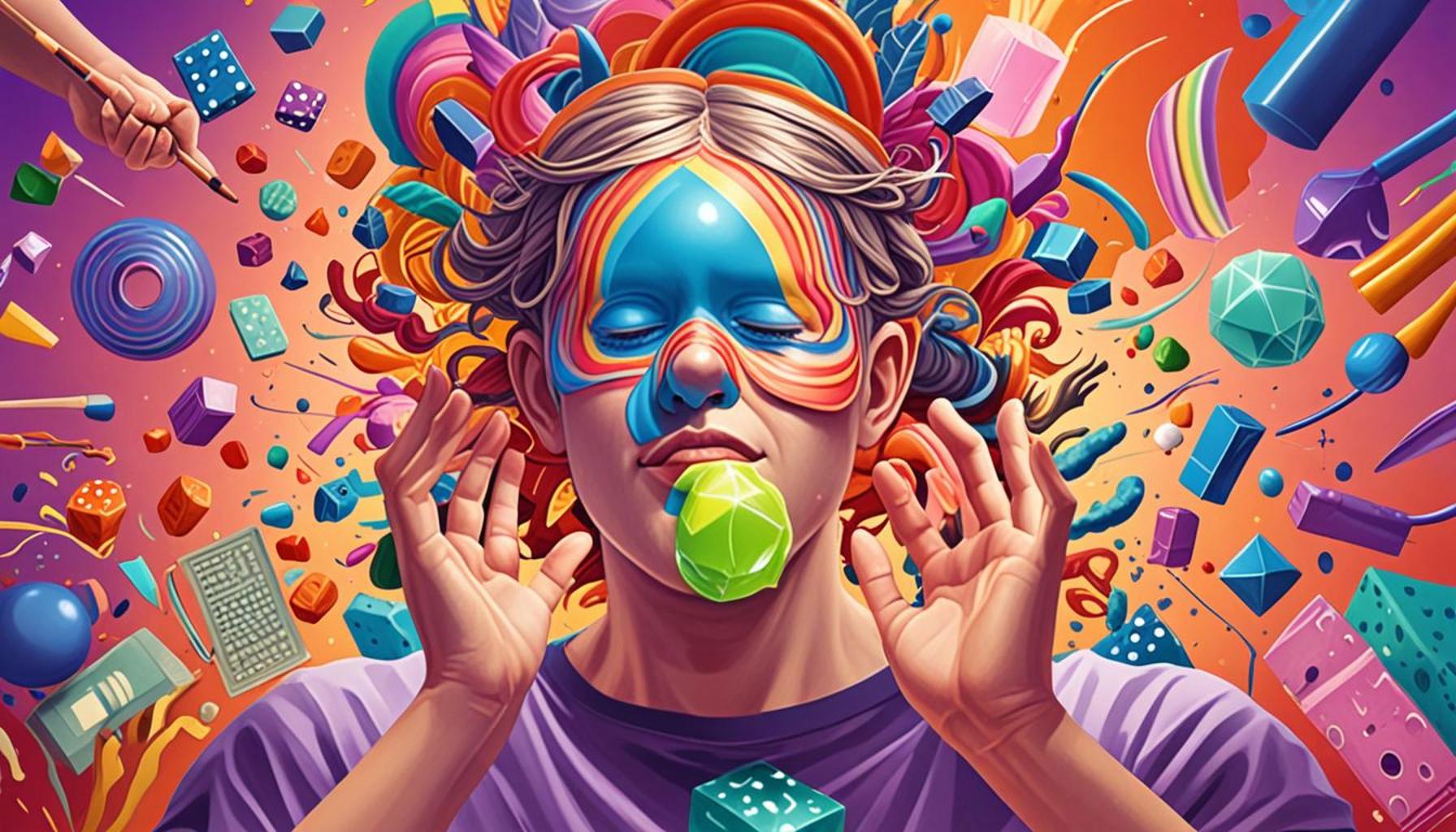
The Power of Gaming in Mental Health Intervention
Imagine a world where games provide a path to healing. In recent years, the concept of therapy through games has emerged as a refreshing approach to mental health. These innovative practices leverage engaging experiences to help individuals navigate stress, anxiety, and various emotional hurdles. This method not only makes therapy more appealing but also bridges gaps for individuals who may feel daunted by traditional therapeutic modalities.
Why Games Are Effective
The use of games in therapeutic contexts taps into several key psychological mechanisms that promote wellness. Games possess intrinsic elements that are beneficial in therapeutic settings; they foster:
- Engagement: Games captivate players, allowing them to immerse themselves in a different world. This level of absorption serves as a distraction from daily stressors, providing a temporary escape and a chance to reset emotionally.
- Problem-solving: Many games are designed to present challenging tasks that stimulate critical thinking. As players confront and overcome obstacles, they develop enhanced coping strategies, which can be applied to real-life issues. For instance, puzzle games like “The Witness” require players to think outside the box, mirroring the mental flexibility needed when tackling personal dilemmas.
- Social interaction: Multiplayer games enable players to connect with others, fostering relationships that can provide emotional support. For example, games like “Among Us” encourage cooperation and communication, valuable skills that translate into real-world interactions and help combat feelings of isolation.
A Unique Approach to Therapy in Nigeria
In Nigeria, traditional therapeutic methods are increasingly complemented by gamified techniques. By integrating familiar local games and culturally relevant challenges, therapists create an environment that is accessible and relatable. Games rooted in Nigerian culture, such as “Ayo” (a traditional board game) or storytelling through interactive role-playing, allow practitioners to engage clients in a more meaningful way.
This innovative approach not only alleviates stress but also reshapes the narrative around therapy, dispelling the stigma often associated with seeking mental health support. The growing awareness of mental health issues in Nigeria highlights the need for alternative therapeutic measures that resonate with the populace. Embracing mental challenges in therapeutic practice could pave the way for a healthier society by helping individuals feel more comfortable and empowered to address their emotional needs.
Furthermore, community-based initiatives focusing on game therapy can serve as outreach tools, emphasizing mental health education and promotion. By utilizing local game nights or competitions, mental health advocates can create a safe space for dialogue, reducing stigma and building a supportive network among participants. This holistic approach signals a productive shift in how mental health can be approached, ultimately leading to greater well-being for individuals and communities alike.
YOU MAY ALSO LIKE: Read read another article
The Therapeutic Benefits of Engaging Games
As therapy through games gains traction, it’s essential to understand how mental challenges embedded in gameplay can effectively address stress and anxiety. The psychological impact of gaming is profound; it has the ability to motivate individuals, encourage creativity, and promote emotional resilience. The therapeutic benefits of engaging games extend beyond simple escapism or entertainment, establishing new pathways for healing and personal growth.
Psychological Foundations of Game Therapy
The integration of games into therapeutic practice is founded on several key psychological principles. Games stimulate the brain and evoke emotional responses, paving the way for various forms of healing. Here are some of the primary psychological foundations that explain the effectiveness of utilizing games in therapy:
- Safe Exploration: Games create controlled environments where players can confront fears and anxieties without real-world repercussions. This safe space allows individuals to explore their emotional responses and learn coping mechanisms when faced with difficult situations.
- Goal Setting: Many games involve setting and achieving goals, which can encourage players to adopt a proactive approach to challenges, both in-game and in their personal lives. Achieving small goals fosters a sense of accomplishment and boosts confidence.
- Emotional Regulation: Games often evoke a wide range of emotions, teaching players how to manage feelings of frustration, joy, or sadness. This emotional agility is crucial for developing healthier coping strategies in real-world encounters.
Impact of Cultural Relevance in Game Therapy
In the Nigerian context, incorporating culturally relevant aspects into gaming therapy enhances its effectiveness. Local games not only resonate with participants but also reflect the realities of their everyday lives. For instance, games that align with community values or folklore can be instrumental in facilitating discussion around mental health. Practitioners can use traditional games, such as Ayo, to promote teamwork, strategy, and a sense of belonging, which are integral components of mental well-being.
Moreover, integrating local narratives into gameplay provides an additional layer of connection. This practice encourages a sense of identity and pride, enabling clients to see themselves reflected in the therapeutic process. By fitting games into the cultural framework of Nigeria, therapists can reduce barriers to participation and engage individuals in a language they understand and value.
As the acceptance of mental health interventions grows, the emphasis on games in therapy not only contributes to reducing stress, but also fosters an environment of healing and collaboration. This exploration of mental challenges framed within the context of engaging gameplay has the potential to reshape attitudes towards mental health, offering diverse options for individuals seeking support. As communities broaden their understanding of therapy through games, the possibility for greater mental health resilience becomes increasingly attainable.
| Advantages | Details |
|---|---|
| Increased Engagement | Therapeutic games draw participants into the process, creating a less intimidating atmosphere that fosters communication. |
| Stress Reduction | Mental challenges incorporated in gameplay distract from negative thoughts and promote relaxation, supporting therapeutic goals. |
The integration of games within therapeutic practice has proven to enhance patient involvement, making sessions more enjoyable and effective. When individuals engage with games, they often enter a state of flow, characterized by heightened focus and immersion. This state is essential for reducing stress, as it can shift attention from worries to enjoyable challenges, thereby facilitating emotional release and promoting psychological well-being.Additionally, these games can be tailored to meet the specific needs of the participants. For instance, those suffering from anxiety might benefit from calm and strategic games, while others dealing with trauma may find relief in more interactive, socially engaging experiences. This flexibility not only provides personalized care but also encourages therapeutic relationships built on trust and mutual understanding.Furthermore, the measurable outcomes from these activities—such as improved mood and decreased anxiety levels—underscore their potential utility in modern therapy settings. By documenting progress through gameplay, therapists can better evaluate treatment effectiveness and adjust techniques to cater to their clients’ evolving needs. As interest grows in innovative therapeutic practices, understanding how to utilize games effectively becomes imperative for both mental health professionals and patients aiming for enhanced stress management.
LEARN MORE: This related article may interest you
The Role of Game Design in Therapeutic Outcomes
The design of therapeutic games plays a central role in shaping the experiences of individuals using them for stress reduction. Each aspect of game mechanics, narrative structure, and visual aesthetics can enhance engagement and effectiveness. Here, we explore how thoughtfully designed game elements contribute to therapeutic outcomes:
Game Mechanics That Promote Engagement
At the heart of therapeutic gaming lies game mechanics that captivate users and promote sustained engagement. Features such as challenges, rewards, and feedback loops are essential in creating compelling experiences. For instance, a game that involves puzzles may require players to strategize and think critically, thus redirecting their focus away from everyday stressors.
Research indicates that active participation in problem-solving activities within games can lead to improved cognitive functioning and a sense of achievement—two factors critical for mental health. The application of gamification techniques in therapy can inspire individuals to push their limits, promoting resilience and adaptability in real-life challenges.
Narrative and Emotional Connection
The narratives woven into games can evoke empathy and emotional responses, which can be vital for therapy. Engaging storylines often mirror real-life challenges, allowing players to identify with the characters and scenarios. This emotional connection can encourage players to process their feelings and develop insights into their own lives.
For example, implementing stories that reflect common struggles in Nigerian communities—such as economic hardship, family dynamics, or cultural identity—can facilitate deeper conversations about mental health. Games designed with this cultural sensitivity not only make the therapy relatable but also foster a sense of community and shared experience.
Examples of Successful Therapeutic Games
Several therapeutic games have gained recognition for their efficacy in reducing stress. For instance, games like Journey encourage players to explore vast landscapes while connecting emotionally through gameplay without competitive pressures. Such experiences allow players to process anxiety and unlock a sense of peace and mindfulness.
Additionally, games like Inside Out: Thought Bubbles, inspired by the Disney-Pixar film, use emotional themes as a way to help players manage their feelings in a playful manner. This can be particularly empowering for Nigerian youth, as it allows them to understand and express their emotions in a safe, controlled environment.
The Future of Game Therapy in Nigeria
The future of game therapy in Nigeria looks promising as awareness around mental health continues to evolve. By collaborating with local developers and therapists, practitioners can create innovative games tailored to the cultural and social context of Nigerian communities. These collaborations can not only enhance the effectiveness of the therapeutic applications of gaming but also promote wider acceptance of mental health discussions.
Investing in educational programs that integrate game therapy into schools and community centers can foster mental well-being among younger generations. With the rise of technology and the accessibility of mobile devices, implementing these therapeutic games can reach a broader audience, ultimately reshaping how mental health support is perceived and delivered in Nigeria.
The dynamic intersection of gaming and therapy presents a myriad of opportunities for enhancing mental health. As more individuals embrace gaming as a viable therapeutic tool, the potential for reduced stress and enhanced resilience flourishes, establishing new frontiers in therapeutic practice.
LEARN MORE: This related article may interest you
Conclusion: Embracing the Healing Power of Games
As we explore the intersection of games and mental health, it becomes evident that therapeutic gaming is not just a fleeting trend, but a powerful tool for stress reduction and emotional well-being. The deliberate design of game mechanics, engaging narratives, and the emotional connections they foster create an immersive environment that can facilitate healing and resilience. In Nigeria, where mental health discussions are gradually gaining ground, integrating these therapeutic games into community programs can help address prevalent issues like anxiety, depression, and social isolation.
The success stories of games like Journey and Inside Out: Thought Bubbles highlight the potential of gamification as an effective strategy in therapeutic practices. By leveraging culturally relevant narratives, we can create experiences that resonate deeply with players, allowing them to reflect on their own struggles and emerge stronger. As we look to the future, the collaboration between game developers, mental health professionals, and educators can pave the way for innovative solutions tailored to the unique needs of Nigerian society.
Moreover, the accessibility of mobile technology offers an unprecedented opportunity to reach a wider audience, especially among the youth. By championing the use of games in therapy, we can dismantle the stigma surrounding mental health, encourage open conversations, and ultimately foster a more supportive environment for those in need. The journey has just begun, and as we embrace the healing power of games, we are not only redefining therapeutic practice but also nurturing a generation that values mental well-being.