
The Role of Strategic Thinking in Simulation and Management Games
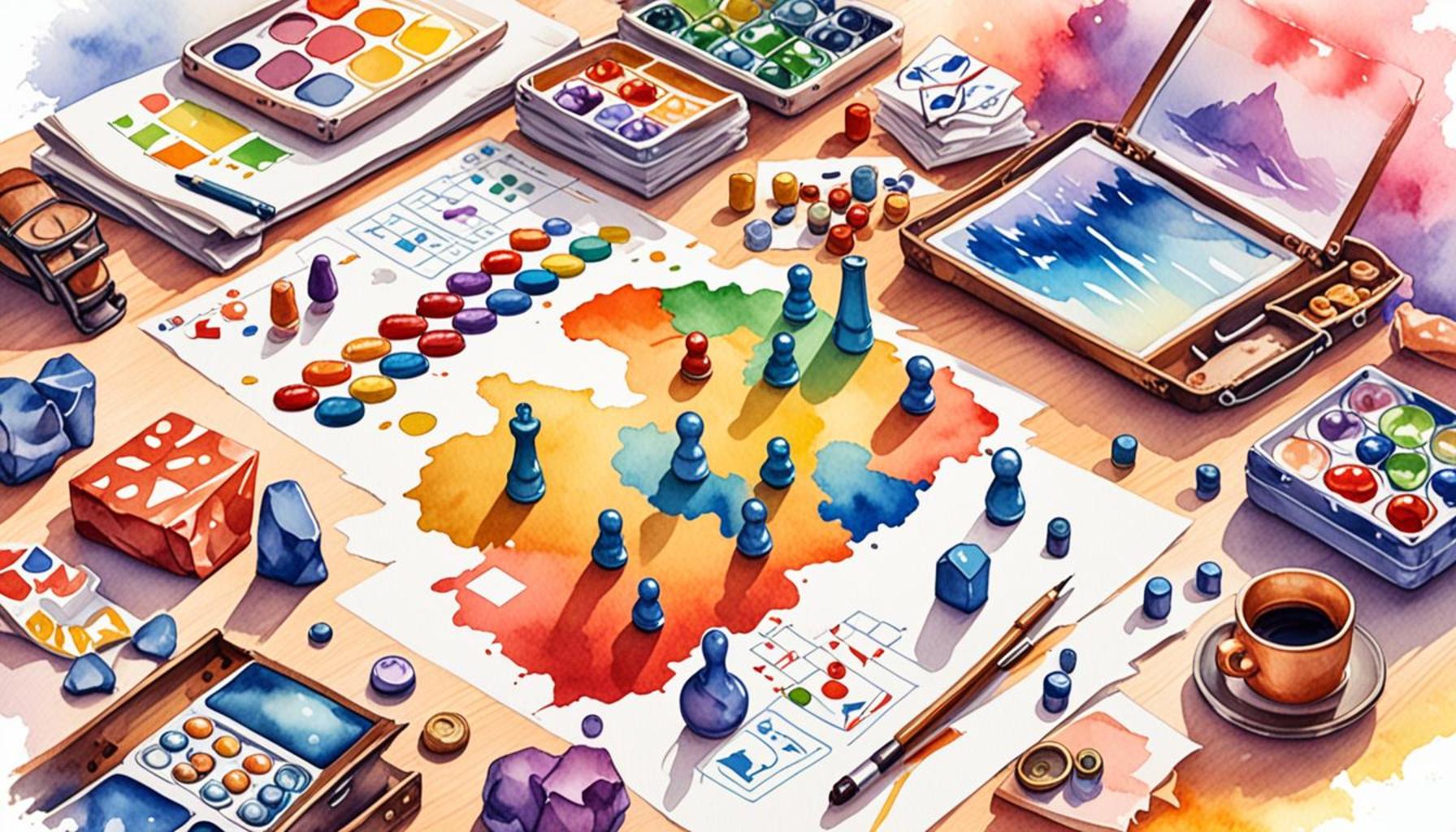
Understanding the Depth of Strategy in Gaming
In the rapidly changing world of gaming, strategic thinking is not just a skill; it’s an essential pillar that significantly influences a player’s journey and achievements. Simulation and management games offer a fertile ground where tactical acumen intertwines with creativity. Players are prompted to immerse themselves into intricate scenarios that demand not only quick thinking but nuanced understanding and foresight.
Key Aspects of Strategic Thinking
Several core elements underscore the importance of strategy within these gaming genres:
- Decision Making: Players face a myriad of options, compelling them to assess potential outcomes critically. For instance, in a game like Football Manager, deciding whether to invest in a young player or go for a seasoned veteran can dictate the future of the team both on and off the pitch. Each choice carries its own set of risks and rewards, and the consequences can echo across seasons.
- Resource Management: The ability to manage resources effectively can spell the difference between thriving or merely surviving in a game. In SimCity, players must allocate budgets wisely to develop infrastructure or manage public services. In Nigeria, where urban development is a pressing issue, the skills honed through such games can reflect real-life challenges cities face, such as balancing economic growth with environmental concerns.
- Long-term Planning: Successful players learn to anticipate future challenges and plan accordingly. This foresight is akin to real-world scenarios where businesses and governments must project future trends, ensuring sustainability and growth. For example, a player who builds up a city’s public transport system early can reap long-term benefits by enhancing connectivity and reducing traffic congestion later on.
The Impact of Gaming on Skills Development
In Nigeria, popular simulation games like Football Manager and SimCity allow local gamers to delve into their strategic capabilities within familiar cultural contexts. While managing a football club, players not only engage in on-field tactics but also navigate sponsorship deals, fan expectations, and player morale—real-life issues faced by club managers in the local league.
Moreover, as players immerse themselves in these crafted scenarios, they cultivate essential skills such as critical thinking and problem-solving. Such experiences do not merely translate into gaming achievements; they can have profound implications in academic and professional settings. By developing strategic thinking skills through gaming, players prepare themselves for the complexities of real-world decision-making.
Conclusion
The intersection of gaming and strategic thought offers a rich landscape for exploration. As players refine their skills through these virtual interactions, they unlock pathways to success that extend far beyond the screen. The findings invite players and educators alike to consider further research into how these strategies can be incorporated into learning frameworks, benefiting not just individuals but communities at large.
RECOMMENDED: Check out this similar article
The Significance of Strategic Frameworks in Gaming
The essence of strategic thinking in simulation and management games extends beyond mere gameplay; it shapes the very core of how players approach problems, build solutions, and achieve success. These games mimic real-life systems, offering players a virtual canvas to explore, where effective strategies can lead to significant advancements. From urban planning to sports management, players engage in dynamic decision-making processes that often mirror challenges faced in everyday life.
Challenges and Opportunities in Decision-Making
At the heart of strategic thinking lies the challenge of decision-making. Each turn or round presents gamers with an array of choices, compelling them to evaluate the potential ramifications before committing. In games like Football Manager, for example, players not only strategize around player selections, formations, and tactics but also navigate complex interpersonal dynamics such as contract negotiations and team morale. The choice to sign a player with an expensive transfer fee versus developing homegrown talent can set a trajectory for the entire club.
This intricate decision-making process is paralleled in workplace situations in Nigeria, where young professionals often have to weigh the consequences of career moves, investments, or business partnerships. The skills honed through gaming can provide valuable insights into our daily dilemmas.
Understanding Resource Allocation
Resource management is another vital aspect of strategic thought within simulation games. Players often find themselves juggling numerous assets, from finances to human capital. In SimCity, for instance, players must budget for infrastructure projects while addressing pressing needs such as healthcare and education. This balancing act offers lessons in prioritization and fiscal management that can be directly applied to real-world scenarios.
- Budgeting: Players learn the importance of creating a financial road map that aligns with their vision for success.
- Investment: The allocation of funds towards specific initiatives, such as public transport or recreational facilities, greatly impacts urban growth and citizen satisfaction.
- Efficiency: Players are taught the importance of resource optimization, ensuring every investment yields long-term benefits.
In Nigeria’s rapidly urbanizing landscape, these principles of resource allocation can be particularly insightful. As cities confront issues like infrastructure deficits and resource scarcity, players adept at managing resources in simulation games often develop a better appreciation for urban planning intricacies and the importance of sustainability.
The Foresight of Long-Term Strategy
Beyond tactical moves and resource allocation, long-term planning plays a critical role in shaping outcomes in simulation and management games. Players who think ahead often capitalize on opportunities that others may overlook. By anticipating challenges such as economic downturns or shifting consumer preferences, they position themselves for lasting success.
Whether it’s a company aiming for market share or a city aspiring for improved living conditions, the principles of long-term strategic planning can translate seamlessly from the gaming realm to real-life applications. By understanding these dynamics, players in Nigeria can approach their own ambitions with a more strategic mindset, helping drive innovation and growth within their communities.
| Advantage | Description |
|---|---|
| Enhanced Decision-Making Skills | Simulation games foster critical thinking that leads to improved decision-making abilities in real-world scenarios. |
| Real-Time Problem Solving | Participants engage in dynamic challenges that cultivate the skill of quick yet effective problem solving under pressure. |
The role of strategic thinking in simulation and management games cannot be overstated, as it lays the foundation for various advantages that are transferable to everyday life. For instance, enhanced decision-making skills are cultivated through complex scenarios that require players to evaluate outcomes and consequences. This skill is vital not only in gaming but also in personal and professional environments where critical choices must be made swiftly.Moreover, these games also promote real-time problem solving, providing players opportunities to face unexpected challenges. As participants navigate through intricate situations, they learn to devise solutions quickly and efficiently. This ability to stay composed amidst chaos is an invaluable coping mechanism that benefits individuals in their careers and personal growth.By participating in simulation and management games, players not only improve their strategic thinking but also build a versatile skill set that adapts to various contexts. The implications of these advantages extend beyond the gaming landscape, making it an ideal domain for anyone looking to enhance their cognitive abilities.
YOU MAY ALSO LIKE: Read read another article
Enhancing Skills Through Simulation Games
In the ever-evolving landscape of modern careers, simulation and management games serve as a unique training ground for vital professional skills. These games not only entertain but also cultivate key abilities that players can leverage in their personal and professional lives. As emerging economies like Nigeria continue to expand, the need for strategic thinkers who can navigate complex environments is increasingly crucial.
Critical Thinking and Problem Solving
One of the most vital skills cultivated through strategic thinking in gaming is critical thinking. Players are often placed in complex scenarios that require them to identify problems, analyze facts, and devise workable solutions. Games such as Empire: Total War require players to manage separate factions, each influenced by its unique variables, thus sharpening their analytical abilities. This aspect translates directly to real-world scenarios, such as navigating the competitive job market or resolving operational challenges in businesses.
The challenge faced by young professionals in Nigeria mirrors that of game players. Just like a player must address a rebellion in their virtual empire, professionals must handle disputes and resource shortages in their organizations. By practicing these skills in a game setting, players enhance their capacity to think critically and approach real-life challenges with creativity and confidence.
Teamwork and Collaboration
Team dynamics are another crucial component of strategic thinking manifested in simulation games. Many titles require players to work collaboratively, often mirroring real-world organizational structures. In multiplayer setups in games such as League of Legends or cooperative play in Civilization VI, players are prompted to develop strategies that leverage the strengths of team members, fostering an environment of collaboration and unity.
In the Nigerian context, where sectors such as agriculture, technology, and education are rapidly evolving, the ability to work effectively in teams can be a significant advantage. By honing collaborative skills through gaming, players learn to communicate, delegate, and build consensus—a crucial triad that can drive any organization toward success.
The Impact of Simulation Games on Entrepreneurial Mindset
Perhaps one of the most transformative benefits of simulation and management games lies in their capacity to instill an entrepreneurial mindset. Players are often tasked with converting ideas into actionable strategies under resource constraints. In games like Two Point Hospital, for example, players must innovate solutions to manage their hospital successfully, dealing with patient needs and staffing challenges while maximizing profits.
This simulation of entrepreneurial challenges encourages players to take calculated risks. In Nigeria, where entrepreneurship is a growing trend, such experience can provide aspiring business owners with critical insights into market dynamics and risk management. Engaging with these games allows players to experiment with business models, evaluate outcomes, and pivot strategies—a simulation of the agility needed in the business world.
Research and Data Analysis Skills
Finally, strategic thinking in simulation games enhances a player’s ability to conduct research and data analysis. Players are often required to assess data from their virtual economies, which can assist in making informed predictions. In games like Football Manager, the ability to interpret player statistics and market trends can give players a competitive edge, reflecting the importance of data literacy in today’s digitized economy.
As Nigeria seeks to innovate and compete in the global marketplace, improved data analysis skills can empower a new generation of leaders, ensuring they can make decisions grounded in solid research rather than intuition alone. This statistical understanding, cultivated through gaming, is invaluable in improving business outcomes across various sectors.
ADDITIONAL INSIGHTS: Expand your understanding here
Conclusion: The Strategic Edge in Gaming
In summary, the intersection of strategic thinking and simulation and management games provides players with an invaluable toolkit for navigating the complexities of modern professional environments. As we have explored, these games serve not just as entertainment but as platforms that enhance critical skills like problem-solving, teamwork, and entrepreneurial acumen.
The ability to critically assess situations and devise effective strategies has never been more vital, particularly in contexts like Nigeria, where young professionals are faced with a rapidly changing economic landscape. The engagement with simulation games equips them with the necessary experience to tackle real-world challenges, from resolving workplace conflicts to making impactful business decisions.
Moreover, the emphasis on collaboration in many popular games reflects the realities of diverse workspaces found in Nigeria. As sectors such as technology and agriculture evolve, the ability to work effectively within teams—enhanced through gameplay—is an essential skill that can drive innovation and success.
As the commercial landscape continues to transform, fostering a culture of strategic thinking through simulation games could very well pave the way for the next generation of leaders, armed with not only theoretical knowledge but applied experience. The continued rise of these games could awaken a new wave of entrepreneurial spirit that will contribute significantly to Nigeria’s economic fabric. Thus, embracing and incorporating strategic gaming into professional development can create a powerful synergy that enhances personal capabilities while boosting collective growth across various sectors.
In conclusion, simulation and management games do more than entertain; they prepare the workforce for the challenges ahead. The question remains: how will future professionals embrace this powerful learning tool to shape their careers and industries? The potential is vast, and the time to explore it is now.